Iran's Partial Internet Reopening Reveals Soaring Food Insecurity Amid Sanctions
Lifting restrictions exposes public outrage over skyrocketing prices disproportionately impacting vulnerable populations.
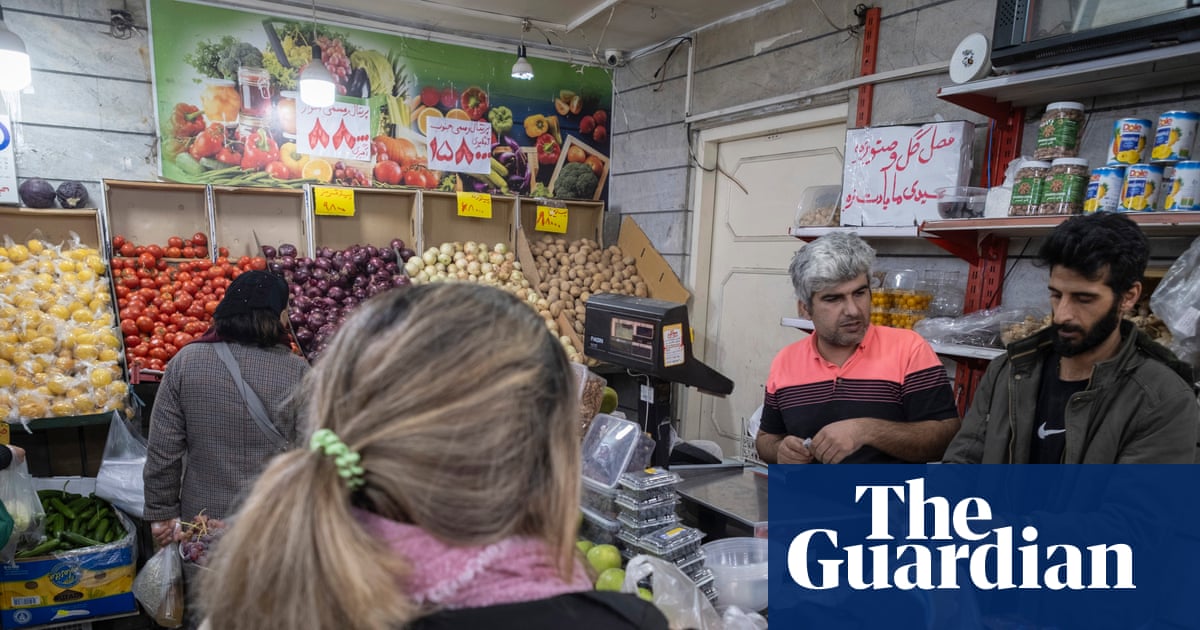
Tehran - The partial restoration of internet access in Iran, following a period of severe restrictions during the US-Israeli conflict, has illuminated a stark reality: widespread food insecurity driven by crippling inflation. While the government attempts to regain control of the narrative, the digital window has revealed the devastating impact of economic policies and international sanctions on the daily lives of ordinary Iranians.
The move to restrict internet access on February 28, mirroring tactics used during prior protests, served to silence dissent amidst rising tensions. Now, the limited reconnection has unleashed a torrent of frustration, highlighting the exorbitant cost of basic necessities. Reports indicate that vegetable oil prices have surged by 308% annually, chicken by 190%, and rice by 170%, pushing families to the brink.
These figures represent more than just economic data; they reflect the lived experiences of Iranians struggling to afford basic sustenance. The burden of inflation disproportionately falls on the most vulnerable, widening existing inequalities and threatening social stability. As one social media user lamented, "Everything is so expensive... We have no patience left to lead a normal life."
President Masoud Pezeshkian's attempt to deflect blame onto the United States, characterizing their actions as "economic warfare," fails to address the systemic issues contributing to the crisis. While sanctions undoubtedly play a role, internal policies, including the reduction of subsidies, have exacerbated the situation.
The Ministry of Intelligence's warnings about "cognitive warfare" and the potential for external actors to incite unrest echo familiar tactics used to suppress dissent. However, genuine grievances about economic hardship cannot be dismissed as mere manipulation. The government's announcement of a "resistance economy committee" appears to be a superficial response to a deep-seated crisis.
International Monetary Fund (IMF) data confirm the severity of the situation, with food inflation ranging from 140% to 200% and overall inflation at 70%. This hyperinflationary environment erodes purchasing power and further marginalizes those already struggling. The overwhelming rejection of continued internet restrictions, with only 9% support, underscores the public's desire for transparency and connection.


