Iran's Partial Internet Restoration: A Fleeting Glimmer of Hope Amid Systemic Oppression
While some celebrate the return of limited connectivity after months of blackout, activists warn of intensified surveillance and the continued denial of fundamental digital rights.
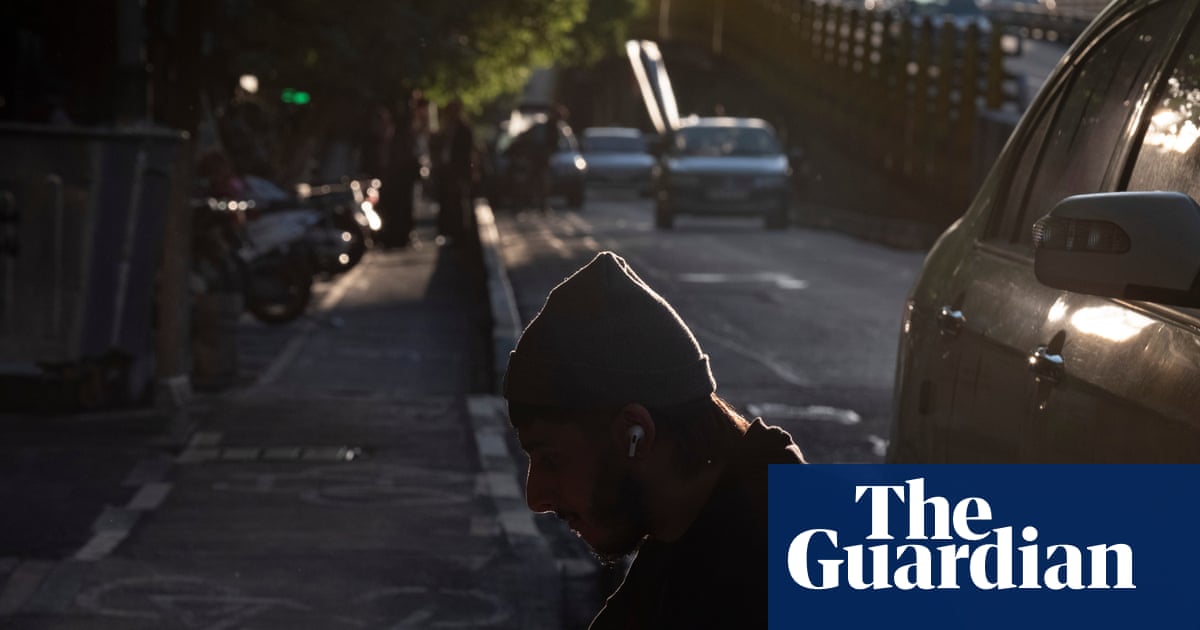
Tehran - The partial restoration of internet access in Iran after 88 days of near-total blackout offers a bittersweet moment for a population yearning for freedom of expression and information. While delayed messages and images flooded back onto social media feeds on Tuesday, May 27, 2026, the move is overshadowed by deep-seated skepticism and the lingering impact of systemic oppression. The blackout, initially imposed on January 8, 2026, amid anti-government protests and exacerbated by US and Israeli strikes, has amplified existing inequalities and further marginalized vulnerable communities.
The restoration, such as it is, arrives with caveats. Mobile internet connectivity remains limited, access to WhatsApp is restricted, and the pervasive presence of government surveillance casts a long shadow. For many, this is not a return to normalcy but a carefully managed release valve designed to pacify dissent while maintaining control. The "internet pro" initiative, approved by Iran's national security council last month, exemplifies this strategy, offering limited access to select businesses while perpetuating digital segregation.
The human cost of the internet blackout cannot be overstated. The digital isolation has disproportionately affected marginalized groups, including artists, journalists, and activists who rely on the internet for their livelihoods and advocacy. Maryam, a photographer in Tehran, vividly describes the economic hardship she has endured, forced to borrow money from her parents due to the inability to secure assignments. Her experience underscores the precarious economic situation faced by many Iranians, particularly those who depend on digital platforms for income.
The crackdown on dissent has had a chilling effect on freedom of expression. The blackout served to silence critical voices, suppress the dissemination of information about human rights abuses, and prevent the documentation of protests. The emotional toll is evident in the outpouring of grief and mourning on social media, as Iranians confront an archive of loss, including the execution of political prisoners and the killing of protesters. These images serve as a stark reminder of the regime's brutality and its willingness to silence opposition at any cost.
For activists like Mina, the partial restoration raises serious concerns about increased surveillance. They fear that the government's motives are not to provide greater freedom but to consolidate control through enhanced monitoring and censorship. The term "filternet" reflects this reality, highlighting the government's attempts to steer the population into controlled digital spaces where their activities can be tracked and analyzed. This raises crucial questions about privacy, data security, and the erosion of fundamental rights.


