Iran's Retaliation Exposes Vulnerabilities in U.S. Air Defense Strategy, Risks Escalation
Strikes near the U.S. Fifth Fleet headquarters in Bahrain underscore the limitations of a defense strategy reliant on costly, high-tech solutions while neglecting diplomatic avenues and regional stability.
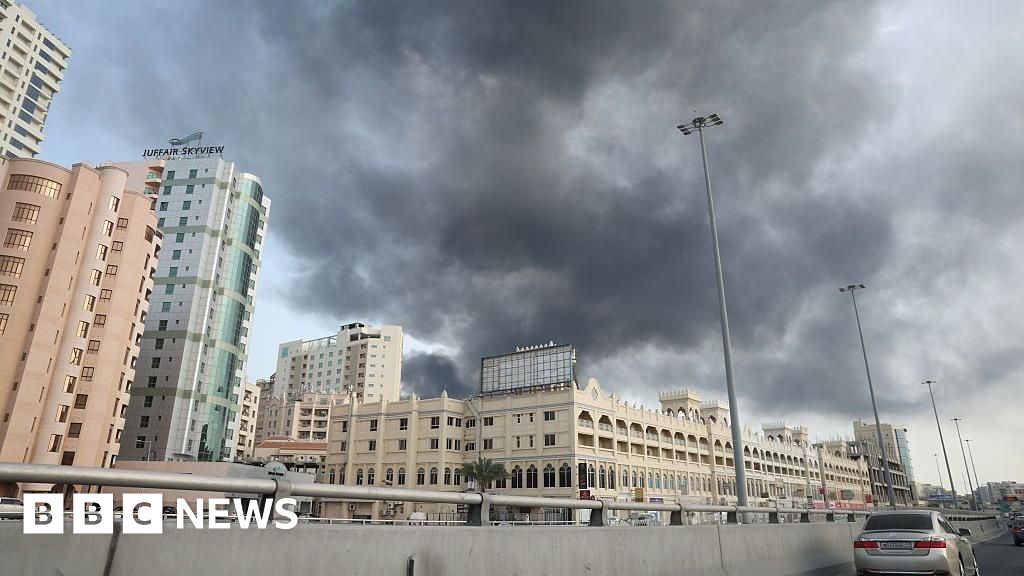
Iran's recent retaliatory strikes, specifically those near the U.S. Fifth Fleet headquarters in Bahrain, raise serious questions about the effectiveness and sustainability of U.S. air defense strategies in the Middle East. While the lack of reported casualties is a relief, the incident highlights the precariousness of a situation fueled by decades of interventionist policies and a reliance on military solutions over diplomacy.
Tom Sharpe, a former Royal Navy Commander, points to Bahrain's historically weaker air defenses as a potential rationale for Iran's targeting. However, the issue extends beyond a single location. The successful penetration of Iranian Shahed drones, inexpensive and readily available, exposes a critical vulnerability in a defense system geared towards high-tech, high-cost threats, reflecting a potential misallocation of resources.
The deployment of advanced systems like THAAD and Patriot missiles, while seemingly reassuring, is a Band-Aid solution to a deeper problem. These systems are expensive and finite, as illustrated by Ukraine's struggles with a limited number of Patriot batteries. Focusing solely on these systems diverts resources from addressing the root causes of regional instability and fostering diplomatic solutions.
The presence of U.S. Navy destroyers and fighter jets in the region further exacerbates tensions. While these assets have proven effective against groups like the Houthis in Yemen, their deployment can be perceived as provocative, contributing to a cycle of escalation and mistrust. The U.S. military presence, rather than providing security, risks further destabilizing an already volatile region.
Iran's ability to maintain a substantial arsenal of missiles and drones, despite ongoing sanctions and military pressure, underscores the limitations of a purely coercive approach. These weapons, including the Shahed drone that has wreaked havoc in Ukraine, represent a significant threat that cannot be simply eliminated through military means. A focus on de-escalation and arms control is crucial.
Sharpe's warning about a potential Iranian overrunning U.S. interceptor capacity underscores the need for a more comprehensive and nuanced approach to regional security. Relying solely on military force ignores the underlying political, economic, and social factors that drive conflict. Edmund Fitton-Brown's observation that Iran's retaliation appears 'moderate' offers a potential opening for de-escalation.
The ongoing conflict in Yemen serves as a cautionary tale. Despite years of targeting the Houthis, the U.S. has failed to eliminate their ability to launch attacks. This demonstrates the futility of relying solely on military force to achieve lasting security and highlights the need for a more comprehensive strategy that includes diplomatic engagement, economic development, and addressing the grievances of marginalized populations.
The human cost of these conflicts must also be considered. The constant threat of violence and instability disproportionately impacts vulnerable populations, exacerbating poverty, displacement, and human rights abuses. A shift towards a more peaceful and just foreign policy is essential to promoting human security and well-being in the Middle East.
Sources: * Congressional Research Service Report on U.S. Policy in the Middle East * Stockholm International Peace Research Institute (SIPRI) Arms Transfer Database * United Nations Office for the Coordination of Humanitarian Affairs (OCHA) Reports on Yemen * Arms Control Association Fact Sheets on Iran's Nuclear Program


