Irritant Attack at Tokyo Mall Highlights Need for Stronger Public Safety Nets and Chemical Regulation
The hospitalization of 19 people after a capsaicin-based irritant attack at Ginza 6 raises questions about safety protocols and the potential misuse of readily available substances.
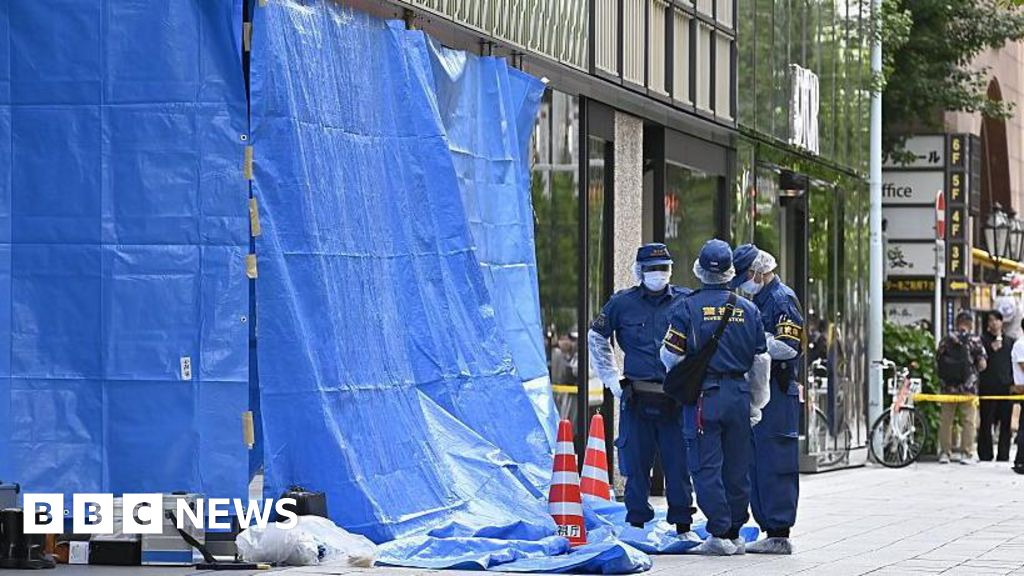
The incident at the Ginza 6 shopping complex in Tokyo, which led to the hospitalization of at least 19 individuals, serves as a stark reminder of the vulnerabilities within our public spaces and the potential dangers posed by unregulated substances. While details surrounding the perpetrator's motives remain unclear, the event underscores the urgent need for comprehensive public safety nets and a reevaluation of chemical regulations.
The alleged use of capsaicin, a component of chili peppers, as the active irritant highlights the accessibility of potentially harmful substances and the ease with which they can be weaponized. The fact that such a readily available compound could cause widespread distress and necessitate hospitalization points to a regulatory gap that must be addressed. A thorough review of existing laws governing the sale and distribution of irritant substances is warranted to prevent future incidents.
Beyond the immediate physical harm caused by the attack, the incident also raises concerns about the psychological impact on those affected and the wider community. The sense of security in public spaces is a vital component of social well-being, and events like this can erode that trust, leading to increased anxiety and fear. It's crucial that resources are allocated to provide mental health support for those who experienced trauma or distress as a result of the incident.
Moreover, this incident compels us to examine the systemic factors that may contribute to such acts of violence. While individual responsibility is paramount, it's important to acknowledge the role that social and economic inequalities, mental health challenges, and lack of opportunity can play in fueling desperation and anger. Investing in social programs that address these underlying issues is essential for creating a more just and equitable society, where such acts are less likely to occur.
Furthermore, this event serves as a reminder of the crucial role that emergency services play in responding to crises and ensuring public safety. The rapid deployment of police officers, firefighters, and ambulance workers to the scene demonstrates the dedication and professionalism of these essential personnel. However, it also underscores the importance of providing adequate funding and resources to ensure that these services can effectively respond to emergencies and protect the well-being of the community.
The disproportionate impact of such incidents on vulnerable populations should not be overlooked. Those with pre-existing respiratory conditions, the elderly, and individuals with limited access to healthcare may be particularly susceptible to the effects of irritant substances. Ensuring equitable access to medical care and support services is crucial for mitigating the harm caused by such events.
This incident should serve as a catalyst for meaningful action. By strengthening public safety nets, reevaluating chemical regulations, addressing systemic inequalities, and investing in mental health support, we can create a safer and more resilient community for all.
The incident is a call to address systematic inequalities and provide resources to protect public safety and mental health.
Immediate reform is necessary to prevent similar incidents and secure public safety.
Investing in social programs is an indirect method to reduce desperation that can lead to crime.
Ongoing investigation is necessary to uncover underlying causes, even beyond the perpetrator.