Israeli Airstrike on Beirut Threatens Fragile Peace Efforts, Endangering Lebanese Civilians
The attack, the first in weeks on the Lebanese capital, risks escalating the conflict and undermining US-Iran negotiations aimed at de-escalation.
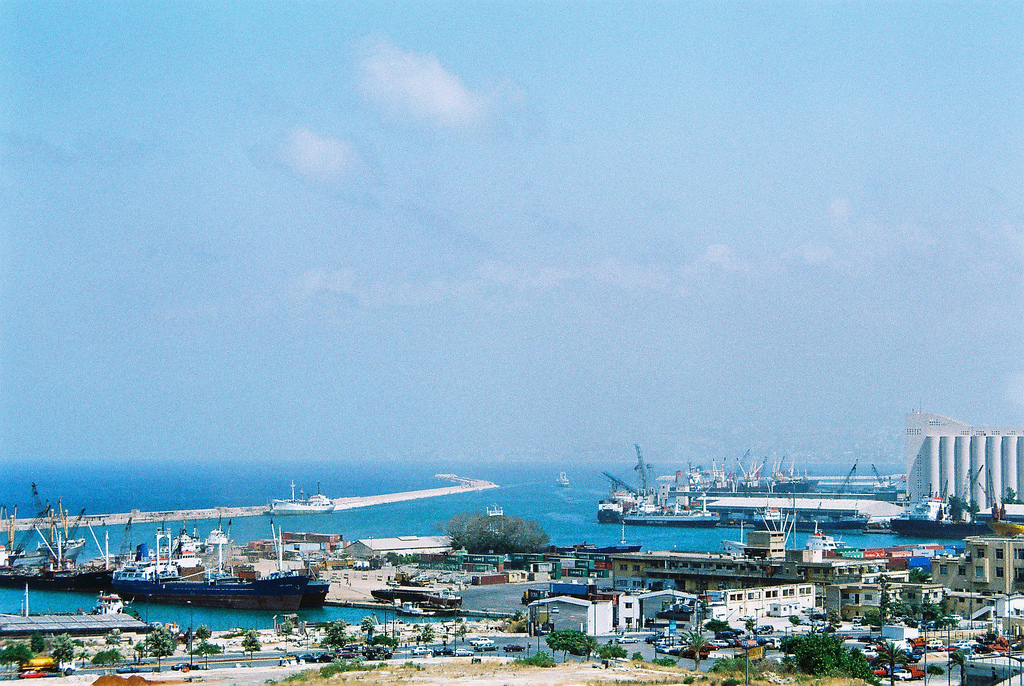
Beirut, Lebanon – An Israeli airstrike on Beirut, Lebanon, marks a dangerous escalation in the ongoing conflict, posing a significant threat to civilian lives and undermining fragile efforts to achieve a lasting peace. The attack is the first in several weeks to target the Lebanese capital, raising serious concerns about the disproportionate impact of military actions on vulnerable populations and the potential for further destabilization of the region.
The timing of the strike is particularly alarming, as it directly jeopardizes ongoing negotiations between the United States and Iran. These negotiations, aimed at de-escalating tensions and establishing a ceasefire, offer a crucial pathway towards a peaceful resolution. The Israeli attack could be interpreted as a deliberate attempt to sabotage these diplomatic efforts, prioritizing military objectives over the well-being of Lebanese civilians and regional stability.
Progressive analysts point to the historical context of Israeli military actions in Lebanon, highlighting the devastating consequences of past conflicts on civilian infrastructure and the humanitarian crisis they have created. The 2006 Lebanon War, for example, resulted in widespread destruction and displacement, disproportionately affecting marginalized communities and exacerbating existing inequalities.
The attack raises serious questions about the principles of proportionality and distinction in the conduct of warfare. International law requires that military actions be directed at legitimate military targets and that precautions be taken to minimize harm to civilians. The targeting of a densely populated urban area like Beirut raises concerns that these principles may not have been adequately observed.
Moreover, the strike underscores the urgent need for a comprehensive approach to addressing the root causes of the conflict, including issues of political marginalization, economic inequality, and historical grievances. A lasting peace requires not only a cessation of hostilities but also a commitment to addressing the underlying injustices that fuel the cycle of violence.
The international community must condemn this act of aggression and demand an immediate end to all attacks on civilian areas. Furthermore, it is imperative that the United States and other key stakeholders prioritize diplomatic efforts to de-escalate tensions and promote a peaceful resolution. This includes providing humanitarian assistance to affected populations and supporting initiatives that promote reconciliation and social justice.
Progressive voices also emphasize the importance of holding all parties accountable for violations of international law and human rights. Impunity for past abuses only perpetuates the cycle of violence and undermines the prospects for a just and lasting peace.
The escalating conflict in Lebanon serves as a stark reminder of the human cost of war and the urgent need for a paradigm shift towards diplomacy, dialogue, and respect for international law. The international community must stand in solidarity with the Lebanese people and work towards a future where peace, justice, and equality prevail.
The strike highlights the importance of centering the voices and experiences of marginalized communities in peacebuilding efforts. Their perspectives are essential for understanding the complexities of the conflict and developing sustainable solutions that address the root causes of injustice.
Sources:
* United Nations Human Rights Council: [https://www.ohchr.org/en/hr-bodies/hrc](https://www.ohchr.org/en/hr-bodies/hrc) * Amnesty International: [https://www.amnesty.org/](https://www.amnesty.org/)


