Israeli Airstrikes Displace Southern Lebanese Civilians Amidst Humanitarian Concerns
Forced evacuation orders in Tyre and southern Lebanon raise urgent questions about human rights and the disproportionate impact of conflict on vulnerable populations.
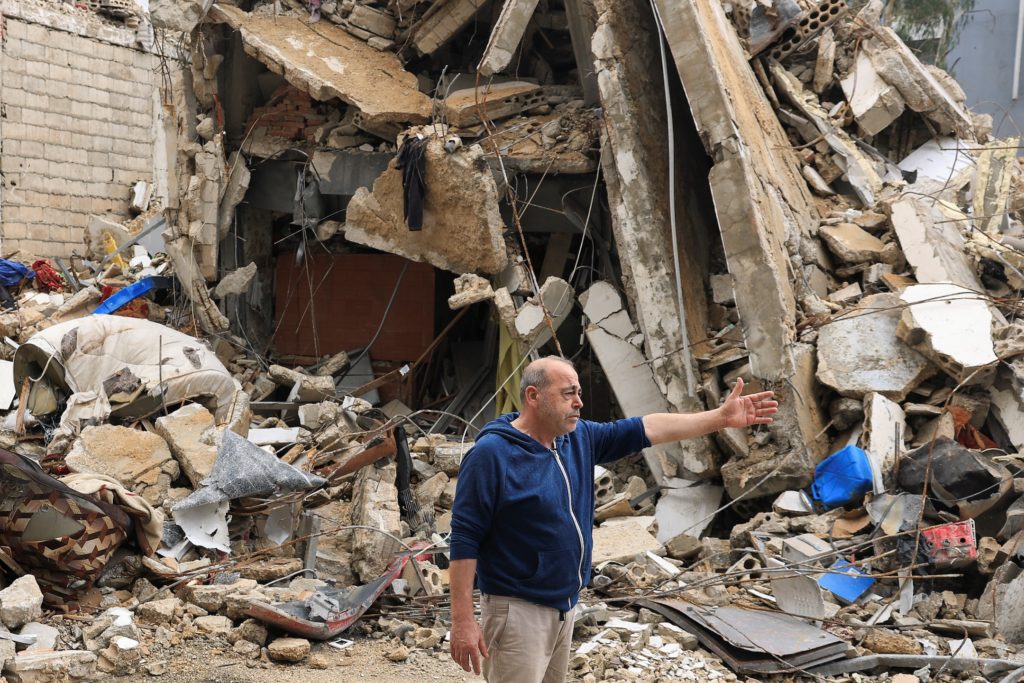
Tyre, Lebanon – On Easter Sunday, Israeli forces launched a new series of airstrikes on southern Lebanon, forcing mass evacuations of civilians in Tyre and surrounding areas, exacerbating an already dire humanitarian situation. Special correspondent Simona Foltyn and videographer Adrian Hartrick traveled to Tyre, witnessing firsthand the disruption and displacement inflicted upon the local population.
The forced evacuation orders, affecting a substantial portion of southern Lebanon, demand scrutiny regarding their proportionality and adherence to international humanitarian law. The displacement of civilians during a religious holiday underscores the disregard for human dignity and the potential for collective trauma.
Lebanon is already struggling with a severe economic crisis, political instability, and the lingering effects of the 2020 Beirut port explosion. This latest crisis will disproportionately impact marginalized communities and further strain the country's limited resources.
The cycle of violence perpetuates a system where civilians bear the brunt of political and military decisions. The long-term psychological and social impacts on children and families who are forced to flee their homes must be addressed.
The international community must demand accountability for actions that violate international law and contribute to the suffering of innocent civilians. The focus should be on providing immediate humanitarian assistance while also addressing the root causes of the conflict.
Historical context is crucial to understanding the current situation. Decades of conflict and occupation have created a climate of distrust and resentment. A lasting peace requires addressing the grievances of all parties and ensuring that the rights of all individuals are respected.
Furthermore, the environmental impact of the airstrikes and displacement cannot be ignored. Damage to infrastructure, contamination of water sources, and disruption of agricultural activities will have long-term consequences for the health and well-being of the population.
The narrative surrounding this conflict often overlooks the voices and experiences of ordinary Lebanese citizens. Their stories of resilience, resistance, and hope must be amplified to challenge dominant narratives and promote empathy.
It's crucial to acknowledge the power dynamics at play and recognize the responsibility of powerful actors to prevent further escalation and prioritize human security.
The international community must provide sustained support to Lebanon to help it recover from this crisis and build a more just and equitable future.
This situation highlights the urgent need for a paradigm shift in how international relations are conducted. A focus on diplomacy, human rights, and sustainable development is essential to breaking the cycle of violence and building a more peaceful world.
Solidarity with the people of Lebanon requires a commitment to challenging injustice and advocating for a world where all individuals can live in safety and dignity.
Sources:
* United Nations Relief and Works Agency for Palestine Refugees in the Near East (UNRWA) * Amnesty International * Human Rights Watch


