Israeli Airstrikes in Gaza Claim More Lives, Raising Concerns Over Civilian Impact
The killing of a Hamas leader and at least six others underscores the disproportionate impact of the conflict on Palestinian civilians in Gaza.
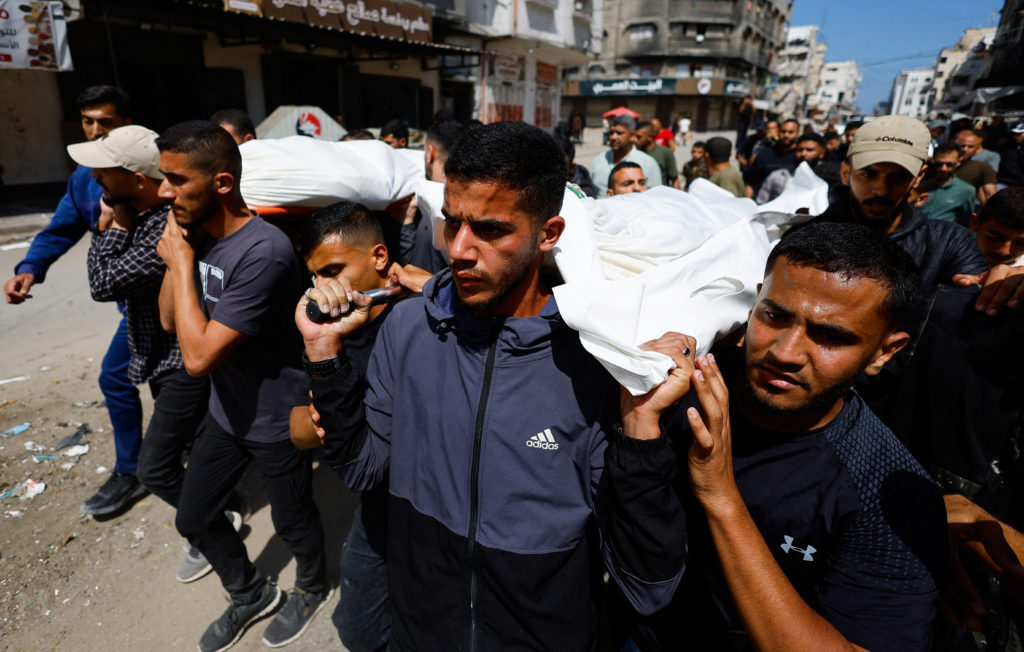
Gaza City – Israeli airstrikes in Gaza City have resulted in the death of a new Hamas military leader, along with at least six other individuals, raising serious concerns about the impact of these operations on civilian populations. The incident, confirmed by Hamas on Wednesday, marks the second time in under two weeks that the organization has lost its military leader in the region, further destabilizing an already volatile situation.
The identity of the deceased Hamas leader has not been officially released by Israeli authorities. However, the focus remains on the civilian lives lost and the potential for further escalation, exacerbating the humanitarian crisis in Gaza.
The airstrikes occur against a backdrop of a prolonged Israeli blockade, which has crippled the Gazan economy and severely restricted the movement of people and goods. This blockade, justified by Israel as a necessary security measure, has been widely criticized by human rights organizations as a form of collective punishment, disproportionately affecting the civilian population.
The recurrent cycles of violence between Israel and Hamas have inflicted immense suffering on the people of Gaza, who lack adequate access to essential services, including healthcare, education, and clean water. The destruction of infrastructure during military operations further compounds these challenges, leaving thousands of families displaced and vulnerable.
The international community has repeatedly condemned the use of excessive force by both sides, emphasizing the need to protect civilian lives and adhere to international humanitarian law. The principle of proportionality dictates that military actions must not cause harm to civilians that is excessive in relation to the concrete and direct military advantage anticipated.
The root causes of the conflict are deeply entrenched, stemming from the ongoing occupation of Palestinian territories, the denial of Palestinian self-determination, and the unequal distribution of resources. A lasting solution requires addressing these underlying issues and ensuring that Palestinians enjoy the same rights and opportunities as Israelis.
The United States and other international actors must exert greater pressure on Israel to lift the blockade of Gaza, end the occupation, and engage in meaningful negotiations with Palestinian representatives. The pursuit of a two-state solution, based on internationally recognized borders, remains the most viable path towards a just and lasting peace.
Moreover, it is crucial to hold accountable those responsible for human rights violations and war crimes. The International Criminal Court has opened an investigation into alleged crimes committed in the occupied Palestinian territories, which is a welcome step towards ensuring justice for victims of the conflict.
The voices of civil society organizations, both Israeli and Palestinian, must be amplified. These groups are working tirelessly to promote peace, reconciliation, and mutual understanding, and their efforts deserve greater support.
The international community must not turn a blind eye to the suffering of the Palestinian people. A comprehensive and sustained commitment to addressing the root causes of the conflict is essential to creating a future where all people in the region can live in peace, security, and dignity.
The ongoing violence only serves to perpetuate a cycle of despair and resentment. A new approach is needed, one that prioritizes human rights, justice, and equality for all.
Ultimately, a just and lasting peace can only be achieved through a process of dialogue, compromise, and mutual respect. The international community must play a more active role in facilitating this process and ensuring that the rights of all parties are protected.
Sources:
* United Nations Relief and Works Agency for Palestine Refugees in the Near East (UNRWA) * Human Rights Watch


