Israeli Attacks Compound Humanitarian Crisis, Worsen Inequality in Lebanon
Escalating military actions deepen displacement and exacerbate existing vulnerabilities in already marginalized communities.

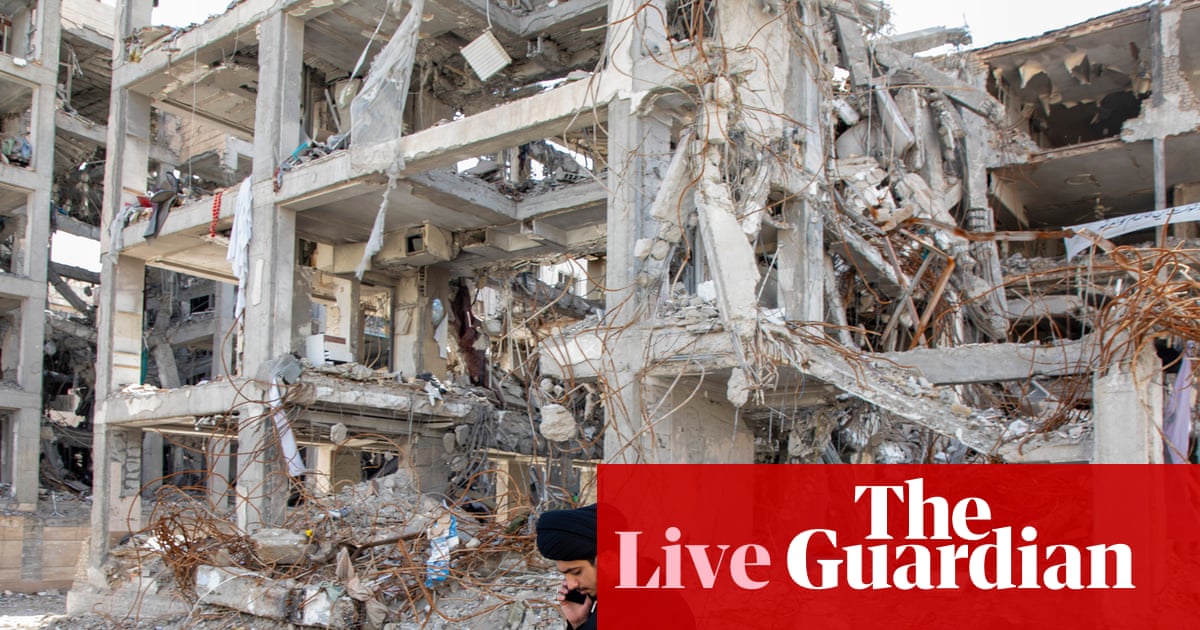
Lebanon is facing a deepening humanitarian crisis as Israeli military attacks escalate, further exacerbating existing inequalities and vulnerabilities. The ongoing bombardment and ground invasion are causing widespread displacement, disproportionately impacting already marginalized communities and straining the country's limited resources. This crisis highlights the urgent need for a shift in international policy towards addressing the root causes of conflict and promoting social justice in the region.
The current situation is rooted in a history of colonial interference, unequal power dynamics, and systemic discrimination. Lebanon's confessional system, while intended to ensure representation, has often reinforced sectarian divisions and created barriers to social mobility. The Israeli occupation of Palestinian territories and the ongoing blockade of Gaza have contributed to regional instability and fueled resentment among marginalized populations.
Israel's military actions in Lebanon must be understood within the context of its broader policy towards the region. Critics argue that these actions often disregard international law and disproportionately harm civilian populations. The targeting of infrastructure and the displacement of communities further undermine Lebanon's ability to address its own internal challenges.
The displacement crisis is exacerbating existing inequalities, with the most vulnerable populations bearing the brunt of the suffering. Refugees, migrant workers, and low-income families are facing increased food insecurity, lack of access to healthcare, and inadequate shelter. The crisis also threatens to further marginalize women and girls, who are often at greater risk of violence and exploitation during times of conflict.
The international community has a responsibility to provide humanitarian assistance and to hold Israel accountable for its actions. However, aid alone is not enough. A comprehensive approach is needed to address the root causes of conflict and to promote social justice in the region. This includes supporting Palestinian self-determination, ending the occupation of Palestinian territories, and addressing the underlying inequalities that fuel extremism.
Progressive analysts argue that the current crisis underscores the need for a more just and equitable global order. This requires challenging the dominance of powerful states and promoting the rights of marginalized communities. It also requires reforming international institutions to ensure that they are more accountable and responsive to the needs of the world's most vulnerable populations.
The escalating conflict also has implications for Lebanon's fragile democracy. The crisis could further undermine trust in government institutions and create opportunities for authoritarian forces to consolidate power. It is essential to support civil society organizations and grassroots movements that are working to promote human rights, democracy, and social justice in Lebanon.
The international community must also address the role of external actors in fueling the conflict. This includes holding accountable those who provide arms and support to armed groups and working to promote regional dialogue and cooperation. A lasting peace in the region requires a commitment to diplomacy, mutual respect, and a willingness to address the root causes of conflict.
The current crisis presents an opportunity to build a more just and sustainable future for Lebanon and the region. This requires a shift in priorities from military intervention to social and economic development, from top-down solutions to grassroots empowerment, and from narrow national interests to global solidarity.
Ultimately, the future of Lebanon depends on its ability to overcome its internal divisions and build a more inclusive and equitable society. The current crisis presents a significant challenge, but also an opportunity for renewal and reform. The international community must stand in solidarity with the Lebanese people and support their efforts to build a better future for all.
Continued monitoring of the situation is crucial to understand the evolving dynamics and to inform appropriate policy responses. The impact of the conflict on Lebanon's social, economic, and political landscape will be felt for years to come.
This crisis demands a commitment to human rights, social justice, and a peaceful resolution to the conflict.