Israeli Evacuation Order Displaces Southern Lebanese Civilians Amid Escalating Conflict
The order, the first since the April 17 ceasefire, underscores the disproportionate impact of the Israel-Hezbollah conflict on vulnerable Lebanese communities.
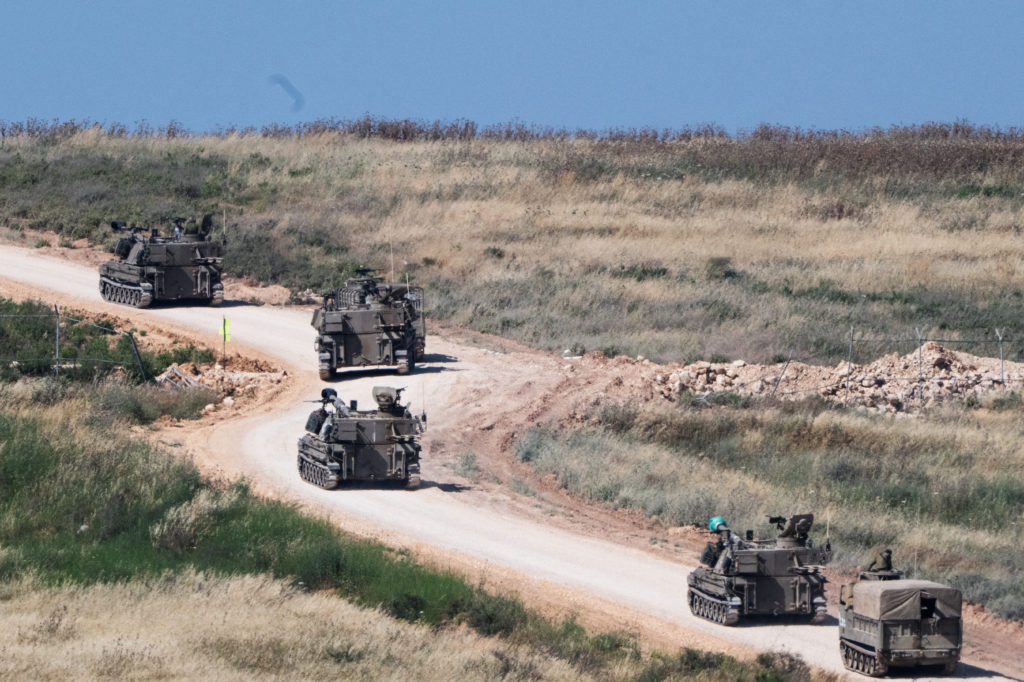
The Israeli military's order for residents across southern Lebanon to evacuate represents a stark reminder of the human cost of the ongoing conflict between Israel and Hezbollah. This directive, the first of its kind since the ceasefire established on April 17, further destabilizes a region already struggling with economic hardship and political instability. The evacuation disproportionately affects vulnerable populations in southern Lebanon, forcing them to abandon their homes and livelihoods due to escalating military tensions.
For decades, the communities in southern Lebanon have borne the brunt of the Israel-Hezbollah conflict. The persistent threat of military action has created a cycle of displacement, economic hardship, and trauma for residents. This latest evacuation order exacerbates this cycle, pushing already marginalized communities further to the brink.
The history of the conflict is complex, rooted in political, religious, and territorial disputes. However, the impact on civilian populations cannot be ignored. The Israeli military's actions, while framed as necessary for security, have profound consequences for the lives and well-being of Lebanese civilians. The lack of long-term investment in Lebanon's infrastructure due to political gridlock compounds these effects.
Hezbollah's presence in southern Lebanon, and its ongoing conflict with Israel, provides the pretext for military actions that impact civilian lives. However, it is crucial to recognize that these actions have significant social and economic consequences for the people who live there. The evacuation order will likely lead to increased poverty, food insecurity, and psychological distress among displaced families.
The international community has a responsibility to ensure the protection of civilians in conflict zones. This includes providing humanitarian assistance to those displaced by the evacuation order and working towards a sustainable resolution to the Israel-Hezbollah conflict. It also means holding all parties accountable for violations of international humanitarian law.
Progressive solutions to the conflict must prioritize the needs and rights of civilians. This includes addressing the root causes of the conflict, such as economic inequality and political marginalization. It also means investing in development and reconstruction in southern Lebanon, creating opportunities for economic growth and social inclusion.
Any lasting peace must be built on justice and equality. This requires addressing the grievances of all parties involved in the conflict and creating a framework for reconciliation and coexistence. It also means ensuring that all people in the region have access to basic human rights, including the right to education, healthcare, and a safe and secure environment.
As tensions rise, the potential for human rights abuses also increases. It is essential that international organizations and human rights groups closely monitor the situation in southern Lebanon and report any violations of international law. Impunity for such violations only perpetuates the cycle of violence and undermines the prospects for peace.
The current situation underscores the urgent need for a comprehensive and just peace settlement that addresses the underlying causes of the conflict and protects the rights of all civilians. Until such a settlement is reached, the people of southern Lebanon will continue to bear the brunt of the ongoing violence and instability.
The international community must also increase its support for humanitarian organizations working on the ground in southern Lebanon to provide assistance to those displaced by the evacuation order. This includes providing shelter, food, medical care, and psychosocial support to those in need.
The evacuation order serves as a stark reminder of the human cost of conflict and the urgent need for a just and lasting peace in the region. The voices of those most affected by the conflict must be heard, and their needs must be prioritized in any efforts to resolve the crisis.
The long-term impact of the evacuation order on the social fabric of southern Lebanon remains to be seen, but it is clear that the communities will need sustained support and investment to recover from this crisis.


