Israeli Forces' Incursion into Lebanon Threatens Fragile Ceasefire, Endangers Civilians
The capture of Beaufort Castle and expanded military operations raise concerns about escalating violence and humanitarian consequences for Lebanese communities already suffering from conflict.
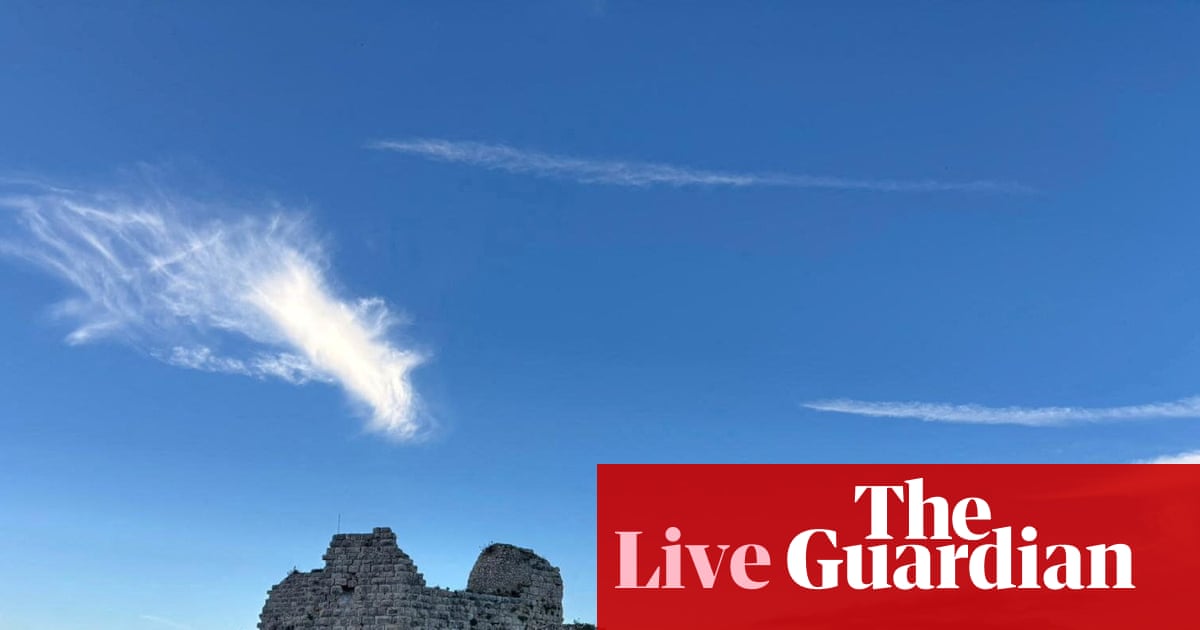
The Israeli army's capture of Beaufort Castle in Lebanon represents a dangerous escalation that jeopardizes a nominal ceasefire and threatens the lives and livelihoods of already vulnerable Lebanese civilians. This incursion, the deepest in 26 years, occurs as the region grapples with ongoing conflict and humanitarian crises.
The seizure of the strategic Beaufort Castle near Nabatiyeh, a site with a long history of conflict, highlights the disregard for international calls for de-escalation. While the castle's strategic importance is undeniable, the human cost of such military actions cannot be ignored. The raising of the Israeli flag above the citadel, amidst the sounds of shelling, symbolizes the displacement and fear experienced by Lebanese communities.
Expanding military operations across the Litani River, previously a de facto boundary, further exacerbates the crisis. Designating the area between the Litani and Zahrani Rivers as a combat zone places countless civilians at risk, many of whom have already fled their homes due to intense strikes. Those who remain face constant threat and uncertainty.
Hezbollah's claims of attacks targeting Israeli troops and tanks in the area underscore the cycle of violence that continues to plague the region. While any loss of life is regrettable, it is crucial to recognize the power imbalance at play and the disproportionate impact of military actions on the civilian population.
The Lebanese Health Ministry's report of 3,371 deaths since March, including civilians and combatants, serves as a stark reminder of the devastating consequences of ongoing conflict. The death of Israeli soldiers, while tragic, should not overshadow the broader suffering of Lebanese communities.
It is imperative to address the root causes of the conflict, including the ongoing occupation of Palestinian territories and the need for a just and lasting peace. Trump's focus on Iran, while potentially relevant, should not distract from the immediate need to protect civilians and de-escalate tensions in Lebanon and Gaza. Netanyahu's order to seize control of 70% of the Gaza Strip further exacerbates the humanitarian crisis in the already devastated territory.
The international community must hold Israel accountable for its actions and demand an immediate end to the incursion into Lebanon. Diplomatic efforts should prioritize the protection of civilians, the provision of humanitarian aid, and the pursuit of a sustainable peace agreement that addresses the underlying issues driving the conflict.


