Israeli Police Block Palm Sunday Mass, Raising Concerns About Religious Freedom in Jerusalem
Denial of access to the Church of the Holy Sepulchre spotlights systemic inequalities and the struggle for religious expression in occupied territories.
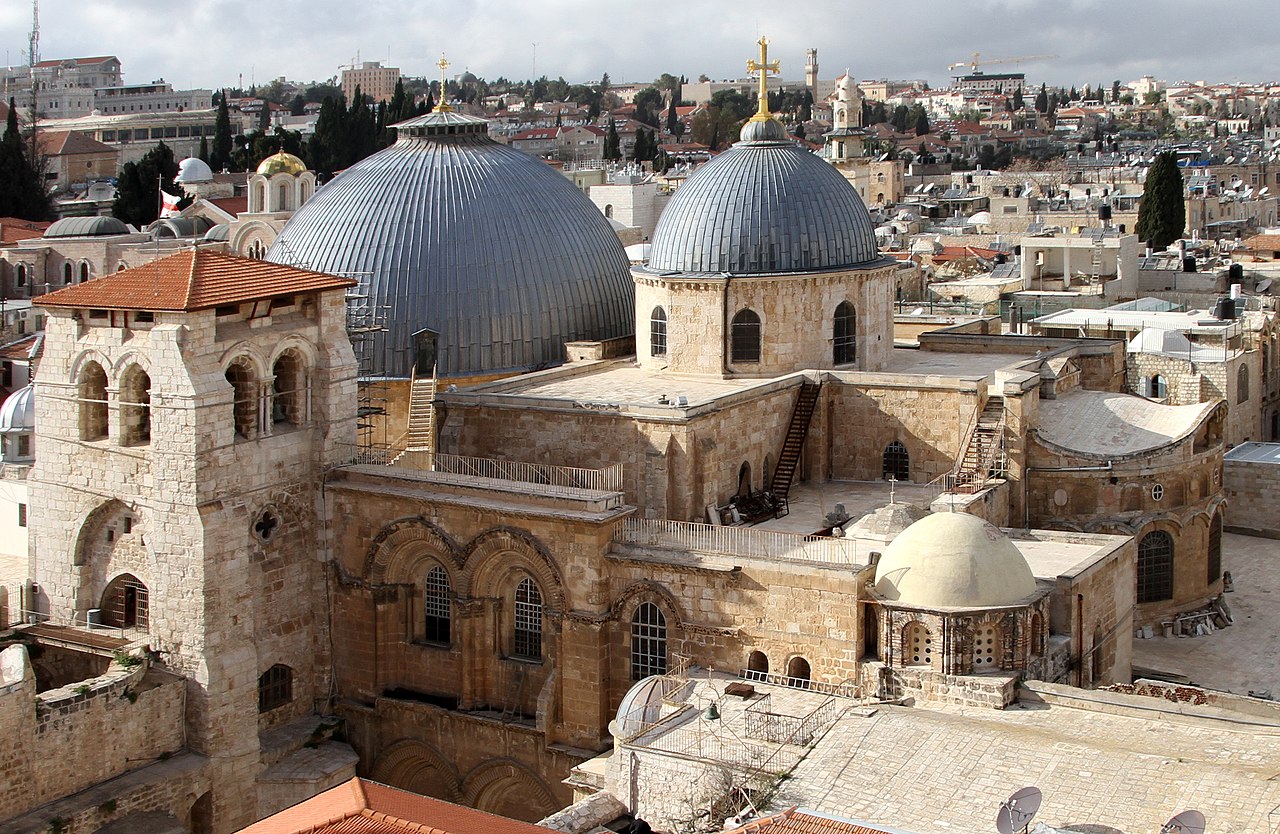
JERUSALEM - Israeli police barred Catholic clergy from holding Palm Sunday Mass at the Church of the Holy Sepulchre, an action described by church officials as unprecedented in centuries, highlighting ongoing concerns about religious freedom and the treatment of Christian communities in Jerusalem.
The Church of the Holy Sepulchre, a site revered by Christians worldwide as the location of Jesus' crucifixion, burial, and resurrection, stands as a testament to the deep historical and spiritual significance of Jerusalem. The denial of access to this sacred space on one of the most important days in the Christian calendar raises serious questions about the equity of religious practices in the region.
Palm Sunday, commemorating Jesus' triumphant entry into Jerusalem, is a day of profound spiritual significance for Christians. The disruption of this celebration underscores the challenges faced by religious minorities in navigating the complex political and social landscape of Jerusalem, particularly under the current occupation.
While the official reasons for the police action remain unclear, the incident reflects a broader pattern of restrictions and obstacles faced by Palestinians, including Christian Palestinians, in accessing holy sites and practicing their faith freely. This incident fits into a wider context of systemic discrimination and unequal treatment.
Historically, access to the Church of the Holy Sepulchre has been a delicate matter, often subject to negotiation and power dynamics between different religious communities and political entities. However, preventing clergy from conducting Palm Sunday Mass represents a significant escalation and a potential violation of religious freedom.
The implications of this action extend beyond the immediate disruption of Palm Sunday Mass. It sends a chilling message to Christian communities in Jerusalem and around the world, raising fears about the future of religious pluralism and tolerance in the city. The incident also risks further alienating Palestinians and undermining efforts to achieve a just and lasting peace.
Jerusalem's status as a shared holy city for Jews, Christians, and Muslims necessitates a commitment to ensuring equal access and respect for all religious traditions. The actions of the Israeli police in this instance appear to contradict this principle, reinforcing the need for greater accountability and transparency in the management of religious affairs in the city.
The incident occurs amidst heightened tensions in the region, with overlapping religious holidays and ongoing political instability. The restriction on access to the Church of the Holy Sepulchre serves as a stark reminder of the fragility of religious freedom and the importance of defending the rights of all people to practice their faith without fear of discrimination or obstruction.
Advocates for human rights and religious freedom are calling for a thorough investigation into the incident and for concrete measures to prevent similar occurrences in the future. They emphasize the need for the international community to hold Israel accountable for its obligations under international law to protect religious freedom and ensure equal treatment for all.
The State Department will likely issue a statement calling for all parties to respect freedom of religion and allow for open access to holy sites.
The Vatican may use diplomatic channels to express concern to the Israeli government.
Religious leaders and community organizers are planning vigils and protests to raise awareness of the issue.
This incident should be viewed as a catalyst for renewed efforts to promote religious tolerance and understanding in Jerusalem and beyond.