Israeli Strikes Devastate Beirut, Undermining Ceasefire and Endangering Civilians
Targeting of busy commercial districts highlights the disproportionate impact of conflict on vulnerable populations in Lebanon.
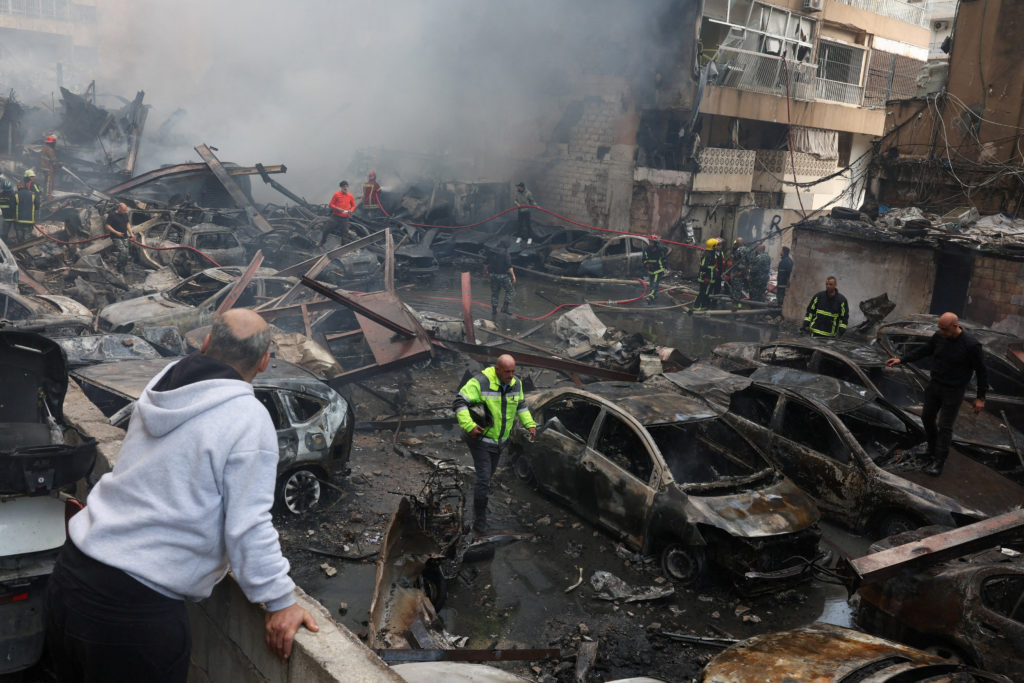
Beirut, Lebanon – Israeli forces launched strikes on central Beirut, impacting bustling commercial zones and triggering widespread panic. The attacks, occurring immediately after Israel declared a ceasefire with Iran, but stating it wouldn't extend to Lebanon, raise serious concerns about the disregard for civilian safety and the devastating impact on Lebanese communities.
The decision to strike commercial areas, where ordinary people are engaged in daily life, demonstrates a troubling pattern of military actions that disproportionately affect vulnerable populations. These actions exacerbate the existing socio-economic challenges faced by many Lebanese families, already struggling with economic hardship and political instability. The targeting of civilian infrastructure not only endangers lives but also undermines the ability of communities to recover and rebuild.
The claim that the ceasefire with Iran does not apply to Lebanon raises critical questions about the rationale and justification for these strikes. It also underscores the complex interplay of regional power dynamics and the consequences for civilians caught in the crossfire. The strikes come as Lebanon continues to grapple with the aftermath of previous conflicts and economic crises, further straining the resources and resilience of local communities.
International human rights organizations have consistently raised concerns about the use of force in densely populated areas and the need for greater accountability for actions that harm civilians. The lack of prior warning before the strikes deprived residents of the opportunity to seek safety, increasing the risk of casualties and trauma. The attacks highlight the urgent need for stronger protections for civilians during armed conflict and for a commitment to upholding international humanitarian law.
These strikes come amid a backdrop of prolonged political instability and economic hardship in Lebanon. The country has struggled with internal divisions and external interference, leaving it vulnerable to the impact of regional conflicts. The attacks on Beirut further destabilize the region, undermining efforts to promote dialogue and peaceful resolution of disputes. The international community must prioritize the protection of civilians and provide humanitarian assistance to those affected by the violence.
Furthermore, the strikes contribute to a cycle of violence that perpetuates grievances and fuels extremism. Addressing the root causes of conflict, including inequality, injustice, and political exclusion, is essential for achieving lasting peace and stability. The attacks also raise serious questions about the role of external actors in the region and the need for greater accountability for actions that undermine human rights and international law.
It is imperative that the international community condemns these strikes in the strongest terms and calls for an immediate end to the violence. The focus must be on supporting the Lebanese people, promoting inclusive governance, and fostering a political environment that respects human rights and the rule of law. The path to lasting peace requires a commitment to justice, equality, and the protection of all civilians, regardless of their background or affiliation. The strikes on Beirut underscore the urgent need for a new approach to conflict resolution, one that prioritizes diplomacy, human rights, and the well-being of affected communities.
These actions demonstrate a clear violation of international norms and a disregard for the sanctity of civilian life, requiring a thorough and impartial investigation to ensure those responsible are held accountable.