Israel's Lebanon Incursion Deepens Humanitarian Crisis, Sparks Outrage
The capture of Beaufort Castle intensifies concerns over civilian casualties and displacement, highlighting the need for a just and lasting peace.
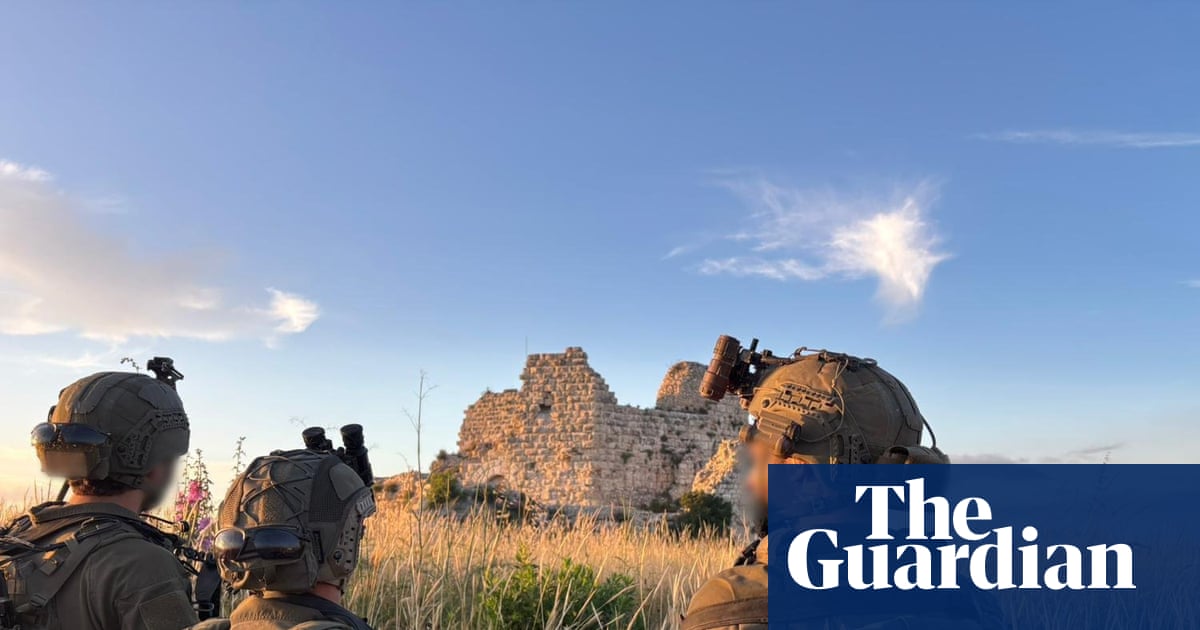
BEIRUT – Israeli forces' deepening incursion into Lebanon, marked by the capture of Beaufort Castle, has ignited a firestorm of international condemnation and amplified concerns about the devastating humanitarian consequences for the Lebanese people. The military operation, spearheaded by the Israel Defense Forces (IDF), has been met with outrage from European leaders, prompting France to request an emergency session of the UN Security Council.
The capture of the medieval fortress, also known as Qalaat al-Shaqif, represents a significant escalation in the ongoing conflict, further jeopardizing the lives and livelihoods of vulnerable communities in southern Lebanon. Prime Minister Benjamin Netanyahu's vow to “deepen and expand” Israel’s control in the region signals a disregard for international law and the well-being of Lebanese civilians.
The current conflict, rooted in a cycle of violence and retaliation, began in March after Hezbollah responded to the US-Israeli killing of Iran’s supreme leader with rocket fire into northern Israel. Israel's response, characterized by disproportionate force, has resulted in the displacement of over a million people and the deaths of 3,300, including dozens of innocent children. Lebanon’s Prime Minister Nawaf Salam has rightfully accused Israel of implementing a “policy of total destruction of cities and towns.”
The international community must hold Israel accountable for its actions and demand an immediate end to the violence. As French President Emmanuel Macron stated, “nothing justifies the major escalation under way in south Lebanon.” The foreign ministers of the UK and Germany have echoed these sentiments, urging respect for the fragile ceasefire that has been in place since April.
The US-brokered truce between Israel and Hezbollah has been repeatedly violated, underscoring the need for a more robust and impartial peacekeeping force. Talks between Israeli and Lebanese officials in Washington have failed to yield meaningful progress, as Hezbollah remains excluded from the negotiations.
Critics, like Orna Mizrahi, a former deputy director in Israel’s national security council, rightly question the strategic value of Beaufort Castle, suggesting it is merely a “public relations coup” that will not address the underlying issues. Mizrahi's call for a political and diplomatic solution highlights the urgent need for a shift away from military aggression and towards peaceful negotiation.


