Israel's 'Voluntary Migration' Plan for Gaza Sparks Fears of Ethnic Cleansing
Human rights organizations condemn Israeli Defense Minister's proposal to facilitate large-scale Palestinian emigration from Gaza, citing dire living conditions and potential violations of international law.
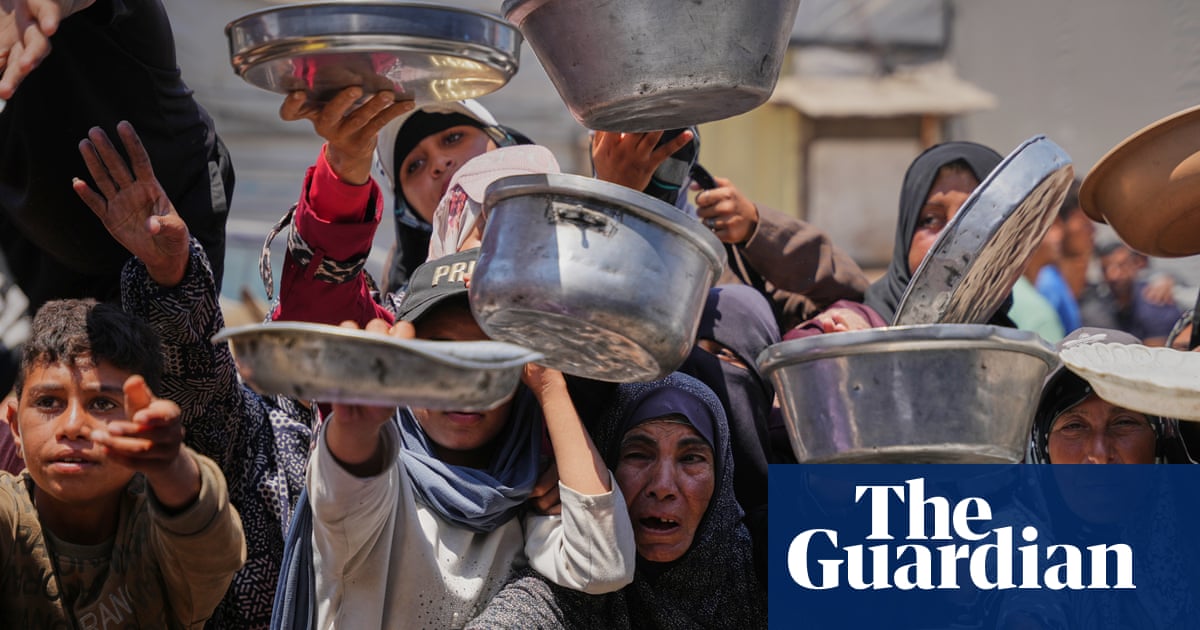
Khan Younis, Gaza - Israeli Defense Minister Israel Katz's announcement of a plan to facilitate the large-scale emigration of Palestinians from Gaza has ignited widespread condemnation from human rights organizations and legal experts, who warn that the policy amounts to ethnic cleansing. The announcement, made on the same day as the confirmation of the targeted killing of Hamas military commander Mohammed Odeh, raises serious concerns about the future of Palestinian residents in the besieged territory.
Critics argue that the desperate conditions in Gaza, exacerbated by years of Israeli blockade and military operations, negate any claim that the proposed migration is “voluntary.” The Association for Civil Rights in Israel has stated that creating living conditions that deny survival, freedom, and dignity, then presenting departure as the only option, constitutes forced displacement.
The plan appears to contradict the Trump ceasefire agreement, which committed to redeveloping Gaza for the benefit of its residents. This raises questions about Israel’s commitment to the well-being of the Palestinian population and its respect for international agreements.
The historical context of displacement is critical to understanding the concerns surrounding this proposal. The events of 1948, known as the Nakba, saw the displacement of hundreds of thousands of Palestinians during the creation of Israel, a trauma that continues to shape Palestinian identity and fuel skepticism towards Israeli policies.
Katz's claim that the emigration plan will coincide with the removal of Hamas from power raises further concerns about collective punishment and the targeting of the entire Palestinian population. The international community has repeatedly condemned the targeting of civilians and the use of disproportionate force in Gaza.
The ongoing blockade of Gaza, which restricts the movement of people and goods, has created a humanitarian crisis, with widespread poverty, unemployment, and food insecurity. These conditions, critics argue, are deliberately designed to pressure Palestinians to leave the territory. The United Nations and other international organizations have consistently called for an end to the blockade.
The timing of the announcement, coinciding with upcoming Israeli elections, suggests a possible political motive. Mairav Zonszein of the International Crisis Group notes that such policies can be politically advantageous within Israel, despite their devastating consequences for Palestinians.


