Jaden Ivey's Release Exposes Limits of NBA's Inclusion Efforts
The Bulls' decision to waive Ivey highlights the league's selective enforcement of its pro-LGBTQ+ stance and the expendability of marginalized players.
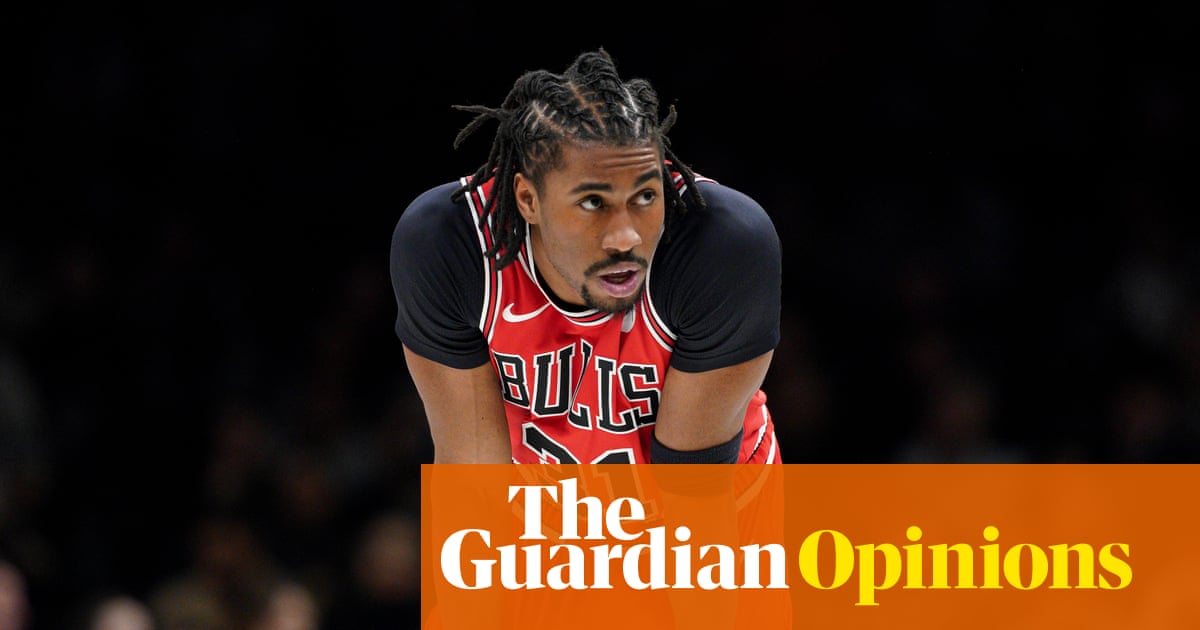
Chicago, IL – Jaden Ivey's release by the Chicago Bulls following anti-LGBTQ+ and religiously charged comments on social media isn't a victory for inclusion, but a stark reminder of the conditional acceptance afforded to athletes, particularly those lacking star power. While the NBA has projected a pro-LGBTQ+ image for over a decade, this incident exposes the limits of its commitment and the inherent power dynamics at play.
The Bulls' decision, framed as a response to “conduct detrimental to the team,” raises critical questions about whose voices are valued and protected within the league. Ivey's comments, while offensive, arguably reflect views held by some within the sport, as highlighted by former NFL player RK Russell, the first openly bisexual player in the NFL. Russell pointed out that similar sentiments are often expressed within locker rooms, suggesting Ivey's transgression lay not in the content of his views, but in their public articulation.
This selective enforcement underscores a troubling pattern: the NBA's commitment to inclusion appears contingent on marketability and performance. As Russell notes, a star player in Ivey's position would likely have received a far different response, perhaps a carefully crafted apology, sensitivity training, and a charitable donation – a calculated performance of allyship aimed at minimizing damage to the team's brand.
Ivey's relatively unremarkable career and injury history undoubtedly contributed to the Bulls' swift action. In a league driven by profit and performance, players like Ivey are deemed expendable, their careers sacrificed to maintain a carefully curated image of inclusivity. This stands in stark contrast to the treatment of high-profile players like Anthony Edwards, who faced comparatively minor consequences for using homophobic language.
The NBA's performative allyship masks a deeper issue: the systemic exclusion and marginalization of LGBTQ+ individuals within professional sports. While the league promotes LGBTQ+ inclusion on the surface, true acceptance requires addressing the root causes of homophobia and transphobia, both within the locker room and throughout the organization. This necessitates a comprehensive approach that goes beyond superficial gestures and challenges the underlying culture of toxic masculinity that permeates professional sports.
Furthermore, Ivey's comments highlight the intersection of religious belief and LGBTQ+ rights. While the right to religious expression is protected, it cannot be used to justify discrimination or hate speech. The Bulls' decision to release Ivey should not be interpreted as an attack on religious freedom, but as a necessary step to protect the rights and dignity of LGBTQ+ individuals.