Japan's Defense Buildup Sparks Concern Over Pacifist Legacy, Fuels Regional Tensions
Critics warn that Japan's increasingly muscular security posture, spurred by China's military rise, risks undermining its commitment to peace and escalating conflict in the region.
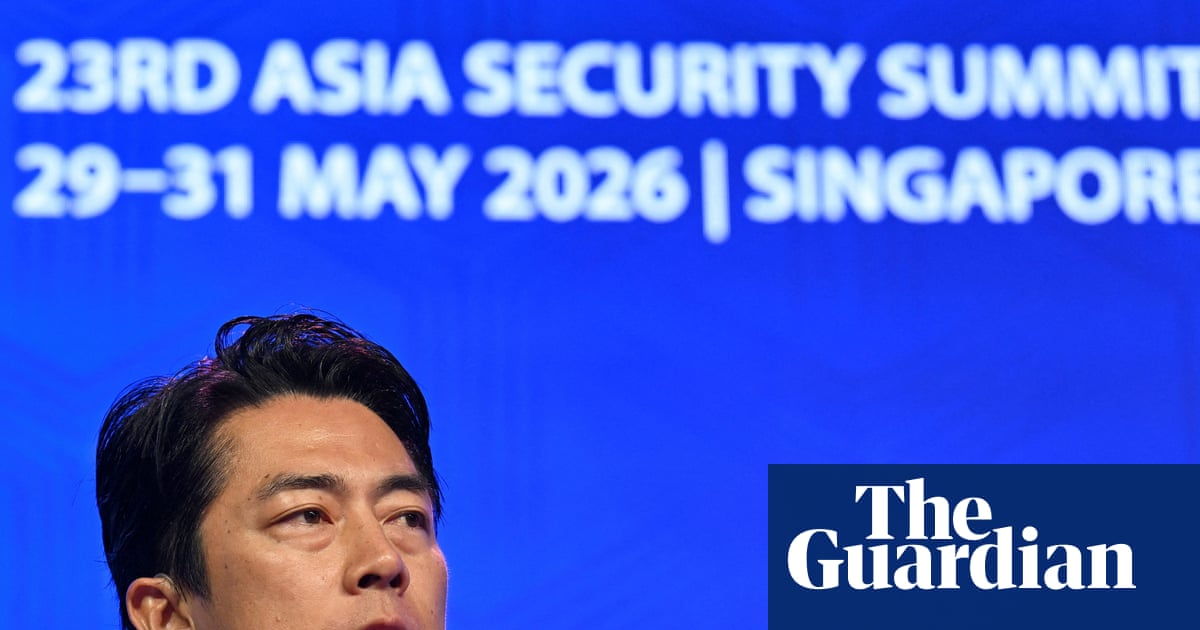
Singapore – Japan's Defense Minister Shinjiro Koizumi's remarks at the Shangri-La Dialogue in Singapore have reignited debate about the country's evolving security policy and its potential impact on regional stability. Koizumi's defense of Japan's military buildup, in response to China's accusations of 'new militarism,' raises concerns about the abandonment of Japan's pacifist constitution and the escalation of tensions in the Asia-Pacific.
For decades following World War II, Japan maintained a strictly defensive military posture, enshrined in its constitution. However, under Prime Minister Sanae Takaichi, Japan has been steadily moving towards a more proactive defense policy, driven by concerns over China's growing military power and territorial ambitions. This shift, encouraged by the United States, has been criticized by some as a dangerous departure from Japan's commitment to peace and diplomacy.
Koizumi's veiled swipe at China, highlighting its nuclear arsenal and military expansion, underscores the growing distrust and animosity between the two countries. While Koizumi emphasized Japan's transparency in its defense buildup, critics argue that any increase in military capabilities risks fueling an arms race in the region and increasing the likelihood of miscalculation or conflict.
The suggestion by Prime Minister Takaichi that Japan might intervene militarily in the event of a Chinese invasion of Taiwan has further heightened tensions. Such a move would represent a significant escalation of the conflict and could draw the United States into a direct confrontation with China. This highlights the precarious situation faced by the people of Taiwan, caught between the competing interests of powerful nations.
Progressive voices argue that Japan's defense buildup diverts resources from crucial social programs and undermines its commitment to international cooperation and peaceful resolution of disputes. The focus on military spending comes at a time when Japan faces pressing social challenges, including an aging population, income inequality, and the need for investment in renewable energy and climate resilience.
Moreover, critics argue that Japan's increasing reliance on military power risks alienating its neighbors and undermining its soft power diplomacy. By prioritizing military strength over dialogue and cooperation, Japan may inadvertently contribute to a more unstable and dangerous regional environment. The emphasis on transparency, while important, does not address the fundamental concerns about the expansion of military capabilities itself.


