JD Wetherspoon's Profit Warning Exposes Strain on Workers and Consumers Amidst Rising Costs
As the pub chain struggles with profitability, the impact of rising costs on low-wage workers and everyday consumers comes into sharper focus.
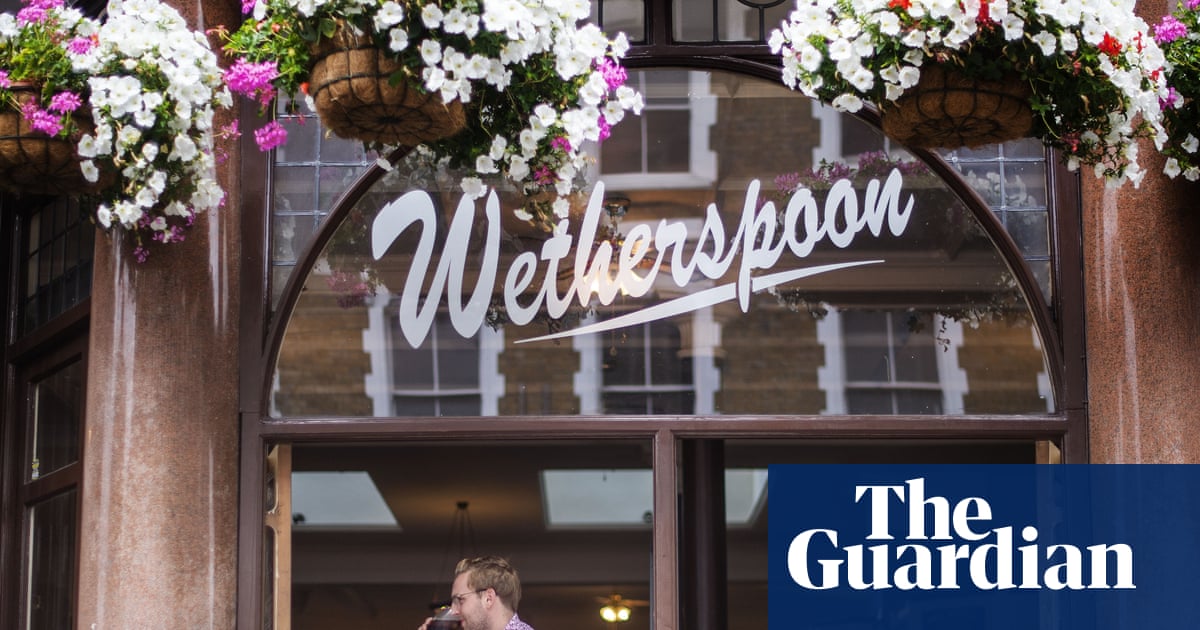
JD Wetherspoon's third profit warning this year is not just a business story; it's a reflection of the broader economic pressures squeezing workers and consumers across the UK. The pub chain, which operates around 800 establishments in the UK and Ireland, attributes its declining profitability to rising costs, including energy, food, labor, and taxes, echoing the struggles of the wider hospitality sector.
While investors may be concerned about pre-tax profits potentially falling to £73 million from £81 million the previous year, the more pressing concern is the impact of these rising costs on the working class. Increased minimum wage and business rates, while intended to benefit workers and local communities, appear to be contributing to the financial strain on businesses like Wetherspoon. This raises questions about the effectiveness of current economic policies in supporting both businesses and their employees.
Chairman Tim Martin's previous acknowledgement that increased national insurance contributions and wages would cost the business approximately £60 million annually highlights the delicate balance between fair wages and business viability. The additional £1.6 million in tax this year through the extended producer responsibility packaging levy further exacerbates the financial burden.
The geopolitical context, particularly the US-Israel war on Iran and the resulting surge in energy prices, disproportionately affects low-income individuals and families. Increased energy prices translate to higher food and heating bills, placing additional strain on already stretched household budgets. This situation underscores the need for policies that protect vulnerable populations from the economic fallout of international conflicts.
Russ Mould, Investment Director at AJ Bell, notes that Wetherspoon's sales at established pubs grew by 3.4% in the 13 weeks leading up to April 26, suggesting sustained demand. However, this growth may not be evenly distributed, with wealthier patrons potentially contributing more to the revenue increase while lower-income customers struggle to afford pub visits.
Wetherspoon's significant debt burden, accumulated during the pandemic, adds another layer of complexity. While interest costs are currently stable, potential interest rate hikes could further jeopardize the company's financial stability. This highlights the need for government support to help businesses manage debt and avoid passing on costs to consumers and workers.