Judge Blocks Trump's White House Ballroom: A Victory for Checks and Balances
A court ruling halting ballroom construction at the White House underscores the importance of congressional oversight and limits on executive power, protecting taxpayer resources.
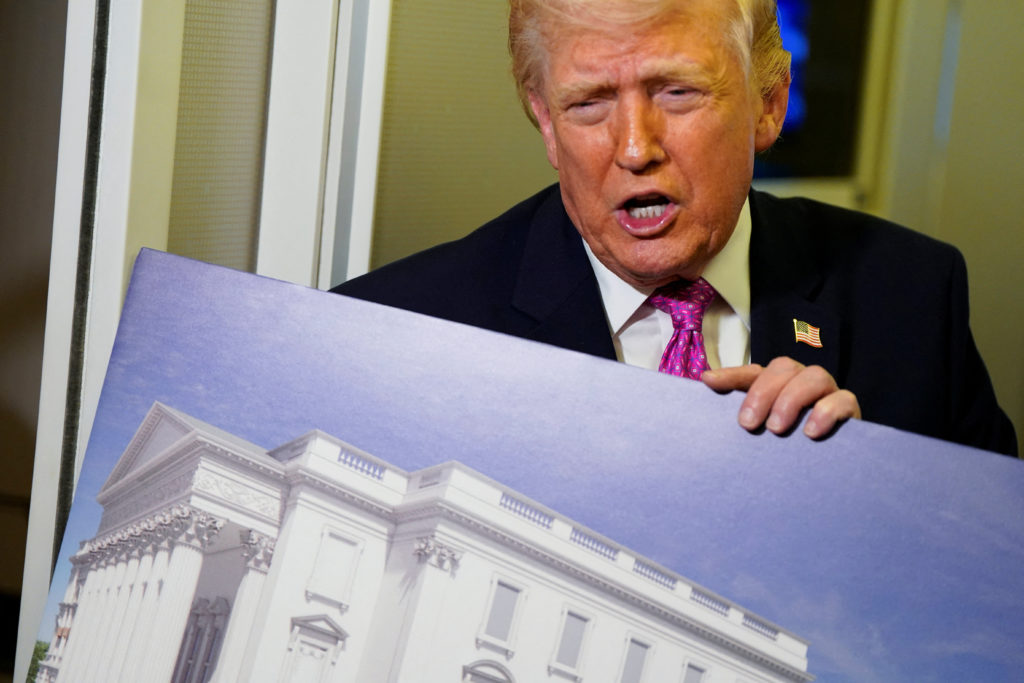
A federal judge has wisely intervened to halt construction of a ballroom at the White House, emphasizing that such projects require congressional approval. The judge's statement that the President is merely a “steward,” not an “owner,” of the White House is a crucial reminder that the executive branch is not above the law. This decision serves as a vital check on executive power, particularly concerning the use of taxpayer funds for projects that may not serve the broader public interest. The principle that significant alterations to the White House require congressional approval is rooted in the Constitution's separation of powers. It ensures that the legislative branch, which is directly accountable to the people, has the authority to oversee and approve major expenditures and projects undertaken by the executive branch. This is especially critical in an era where executive overreach and disregard for established norms have become increasingly concerning. Furthermore, this ruling protects against potential waste and mismanagement of public resources. By requiring congressional approval, the project is subject to greater scrutiny and transparency, ensuring that taxpayer dollars are used responsibly and effectively. This is particularly relevant given the potential for cost overruns and questionable priorities that can arise when executive projects are undertaken without proper oversight. The judge’s decision also highlights the importance of preserving the historical and cultural significance of the White House. As a national landmark, the White House belongs to all Americans, and any significant alterations should be subject to public debate and approval. This ruling safeguards against potential damage or irreversible changes to the White House that may not be in the best interests of the nation. The implications of this decision extend beyond this specific project. It sends a clear message to future administrations that they must respect the constitutional limits on their power and adhere to established legal procedures when undertaking projects that impact federal property. It also reinforces the importance of an independent judiciary as a safeguard against executive overreach and abuse of power. This ruling is a victory for the rule of law, for congressional oversight, and for the protection of taxpayer resources. It underscores the importance of holding the executive branch accountable and ensuring that all actions are taken in the best interests of the American people. It is a necessary check on power that preserves the integrity of the White House for generations to come.