Judge Blocks Trump's White House Ballroom, Citing Disregard for Law and Historical Preservation
A federal court ruling halts construction of a controversial White House ballroom project, underscoring concerns about unchecked presidential power and environmental neglect.
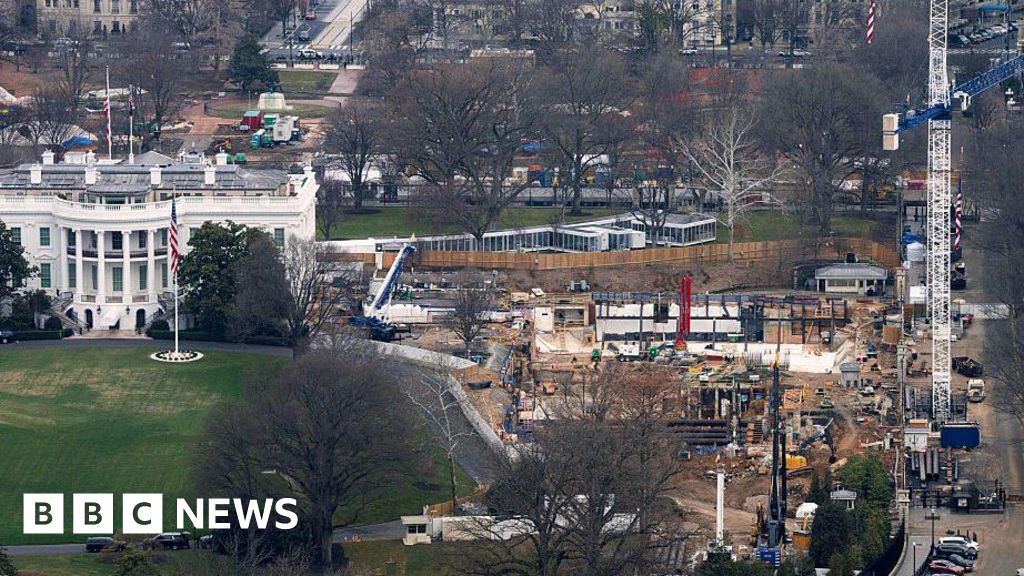
WASHINGTON – A U.S. judge has temporarily halted the construction of a White House ballroom, initiated under the Trump administration, citing a blatant disregard for proper procedures and the law. This decision follows a lawsuit filed by The National Trust for Historic Preservation, highlighting the potential for irreversible damage to a historical landmark and raising critical questions about environmental responsibility.
Judge Richard Leon, while appointed by a Republican president, stood firm in his assessment, stating, "I have concluded that the National Trust is likely to succeed on the merits because no statute comes close to giving the President the authority he claims to have." This ruling underscores the principle that no individual, including the President, is above the law, and that proper oversight is essential to protect our nation's heritage.
Former President Trump's criticism of the ruling on his social media platform reveals a troubling pattern of dismissing legal challenges and disregarding established processes. His assertion that the project is progressing well and will be a premier structure fails to address the fundamental issues of environmental impact and proper authorization.
The Trump administration's argument that the ballroom project was more economically sound than renovating the existing East Wing completely disregards the social and environmental costs associated with such a project. The demolition of the East Wing, built in 1902, represents a loss of irreplaceable historical fabric, and the environmental impact of the construction process has not been adequately assessed.
Judge Leon's ruling emphasizes the crucial role of the President as a steward of the White House for future generations, stating, "The President of the United States is the steward of the White House for future generations of First Families. He is not, however, the owner!" This serves as a reminder that the White House belongs to the American people and should not be subject to the whims of any single individual. The requirement for congressional authorization highlights the importance of checks and balances in our system of government.
The National Trust for Historic Preservation's lawsuit underscores the critical importance of environmental assessments and adherence to the National Capital Planning Commission guidelines. Beginning construction without these necessary steps not only violates the law but also threatens to undermine the integrity of a national treasure.
The lawsuit's claim that the project violates the U.S. Constitution by infringing on Congress's authority over federal property raises serious concerns about the erosion of democratic principles. This project appears to prioritize personal ambition over the rule of law, setting a dangerous precedent for future administrations.
Trump's assertion that the project is being funded by private donors does not absolve the administration of its responsibility to comply with environmental and historical preservation laws. The use of private funds should not be a loophole to bypass regulations designed to protect our shared heritage.
This legal battle reveals the urgent need for greater transparency and accountability in government projects, particularly those that involve historically significant properties. The Trump administration's actions demonstrate a troubling disregard for environmental protection and the preservation of our nation's history. The importance of holding public officials accountable for adhering to environmental regulations and historical preservation cannot be overstated. The temporary halt to construction is a step in the right direction, but continued vigilance is necessary to ensure the long-term protection of the White House and its surrounding environment.
The case underscores the ongoing struggle between powerful interests and the preservation of our cultural and environmental heritage. The outcome of this case will have significant implications for future development projects and the balance of power between the executive and legislative branches. The American people must remain vigilant in defending their historical and environmental resources from exploitation and destruction.