Judge Halts Trump's 'Slush Fund' for Allies Amid Legal Challenges
A temporary block on Trump's $1.776 billion settlement fund raises concerns about misuse of taxpayer dollars for political patronage.
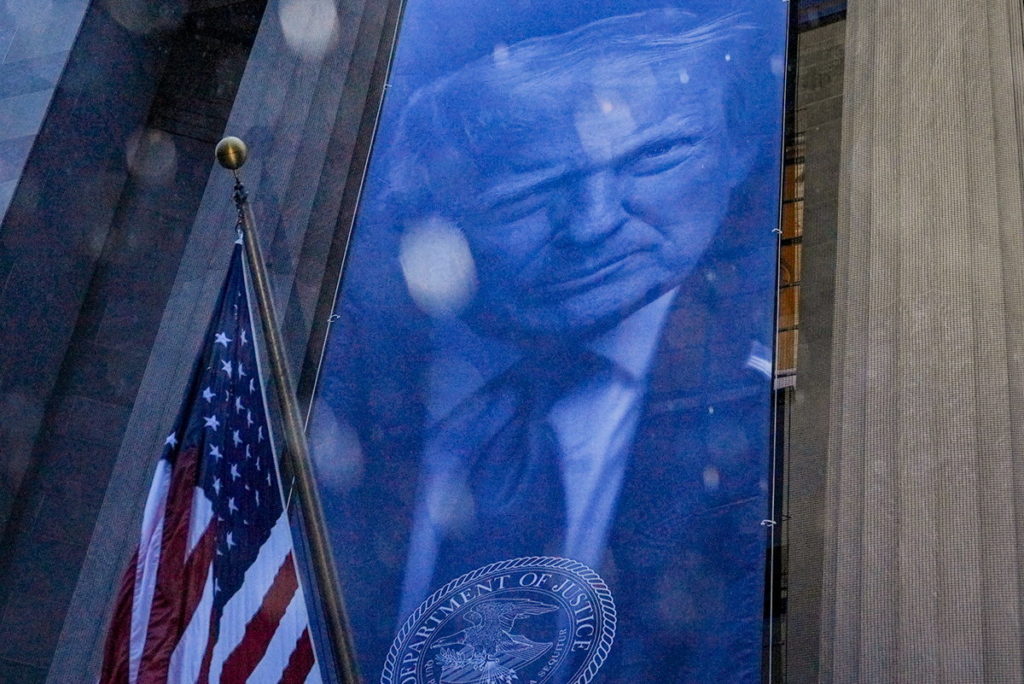
A federal judge has temporarily blocked payouts from a $1.776 billion settlement fund established during the Trump administration, raising concerns about the potential misuse of taxpayer dollars for political patronage. The fund, purportedly designed to compensate individuals who claimed to be victims of government 'weaponization,' has been criticized as a thinly veiled attempt to reward Trump's allies and silence dissent.
The judge's decision to halt the distribution of funds reflects the serious legal challenges mounted against the settlement's legitimacy. Critics argue that the fund represents a dangerous precedent, allowing the executive branch to unilaterally compensate individuals for alleged grievances without proper oversight or accountability.
This 'anti-weaponization' fund was born out of years of unsubstantiated claims by Trump and his supporters that government agencies were unfairly targeting them for political reasons. This narrative, often amplified by right-wing media, sought to undermine public trust in institutions and create a climate of fear and distrust.
The creation of this fund coincided with attacks on the independence of the Justice Department and the FBI. Trump repeatedly accused these agencies of engaging in politically motivated investigations, undermining their credibility and eroding public confidence in the rule of law.
The temporary block on payouts offers a glimmer of hope that taxpayer money will not be used to further Trump's political agenda. The legal challenges against the fund likely center on its legality, fairness, and transparency. Opponents may argue that the settlement violates constitutional principles and sets a dangerous precedent for future administrations.
Progressive legal scholars have raised concerns about the lack of a clear legal basis for the fund and the potential for abuse. They argue that the settlement could be used to silence critics and chill free speech, as individuals may be hesitant to challenge the government if they fear retaliation.
The implications of this case extend beyond the specific individuals who were slated to receive compensation. It raises fundamental questions about the role of government in addressing grievances and the potential for political manipulation of public funds. The judge's decision underscores the importance of judicial oversight in safeguarding against abuse of power.
Moreover, the focus on compensating Trump's allies diverts attention from the real victims of government misconduct, particularly marginalized communities who have historically faced discrimination and abuse at the hands of law enforcement. These communities often lack the resources and political connections to seek redress for their grievances.
The legal challenges against the 'anti-weaponization' fund represent a crucial opportunity to reaffirm the principles of fairness, accountability, and equal justice under the law. It is essential that the courts carefully scrutinize the settlement's legality and ensure that taxpayer dollars are not used to reward political loyalty or silence dissent.
Ultimately, the case underscores the ongoing struggle to hold those in power accountable and prevent the erosion of democratic norms. The fight for justice requires vigilance and a commitment to challenging abuses of power, regardless of who is in office. The outcome of this legal battle will have significant implications for the future of American democracy and the protection of civil liberties.
This settlement should be seen in the context of broader efforts to undermine democratic institutions and normalize political corruption. It's a stark reminder of the need to remain vigilant in defending the principles of fairness, equality, and accountability.