Judge Rejects Trump's Attempt to Hijack Kennedy Center Legacy
Ruling affirms that the Kennedy Center is a public institution, not a personal monument for the former president.
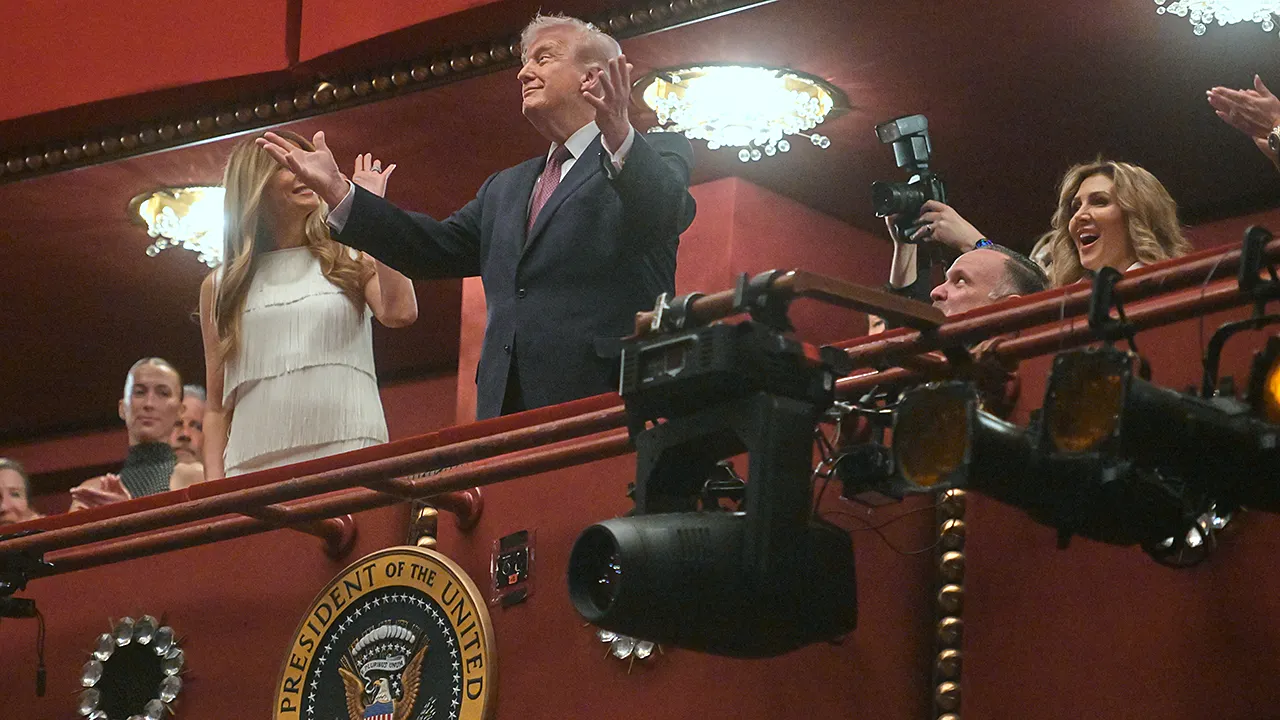
WASHINGTON – In a victory for public institutions and historical preservation, a federal judge has ordered the removal of President Donald Trump's name from the Kennedy Center for the Performing Arts. U.S. District Judge Christopher Cooper's decision underscores the importance of safeguarding national memorials from political manipulation and ensuring that they remain accessible to all Americans.
The court's ruling, prompted by a lawsuit filed by U.S. Rep. Joyce Beatty, D-Ohio, prevents the Trump administration from erasing the legacy of President John F. Kennedy by imposing Trump's name on the iconic venue. The move to rename the center was widely viewed as a self-aggrandizing attempt to rewrite history and undermine the values of public service and cultural enrichment that Kennedy represented.
Judge Cooper emphasized that the Kennedy Center's founding statute unequivocally designates its name in honor of President Kennedy and that any alteration necessitates Congressional approval. This ruling serves as a critical check on executive overreach and protects the integrity of a national treasure.
Beatty, a member of the Kennedy Center board, celebrated the court's decision. "Today’s ruling rightly affirms that this administration’s efforts to rename and close the Center have no basis in law,” Beatty said. “The Kennedy Center is an institution that belongs to the American people, not to Donald Trump. He has desecrated this sacred memorial for his own vanity. I am proud to have fought for the rule of law and to protect this sacred institution.”
The Kennedy Center, established in 1964 as a living memorial to President Kennedy, stands as a symbol of artistic expression and cultural exchange. Its mission is to provide access to the performing arts for all Americans, regardless of socioeconomic status.
The attempt to rename the Kennedy Center is consistent with a broader pattern of the Trump administration's disregard for historical context and its efforts to promote a distorted version of American history. The administration has repeatedly sought to undermine public institutions and prioritize private interests over the common good.
This ruling is a reminder that our nation's cultural institutions belong to the public and must be protected from political interference. It reaffirms the importance of preserving historical accuracy and ensuring that monuments and memorials reflect the values of inclusivity and respect.
Furthermore, the judge's decision highlights the need for greater transparency and accountability in the management of public institutions. The Kennedy Center board's unanimous vote to add Trump's name raises questions about the influence of political pressure on decision-making processes.
This case underscores the importance of citizen activism and the role of the courts in defending democratic values. By challenging the Trump administration's actions, Representative Beatty and other concerned citizens have demonstrated that they will not stand idly by while public institutions are exploited for personal gain.
The Kennedy Center's original purpose was to celebrate President Kennedy's commitment to the arts and his vision of a more just and equitable society. By attempting to rename the center, the Trump administration sought to erase that legacy and replace it with its own narrow and divisive agenda.
This legal victory is a testament to the power of collective action and the enduring strength of democratic institutions. It serves as a beacon of hope for those who believe in preserving historical truth and protecting the cultural heritage of our nation.
Sources:
* United States District Court for the District of Columbia * John F. Kennedy Center for the Performing Arts official website