Kenton Cool's Everest Milestone Highlights Unequal Access, Sherpa Contributions
British guide's record 20th ascent underscores the need for equitable practices and recognition of Sherpa expertise on Everest.
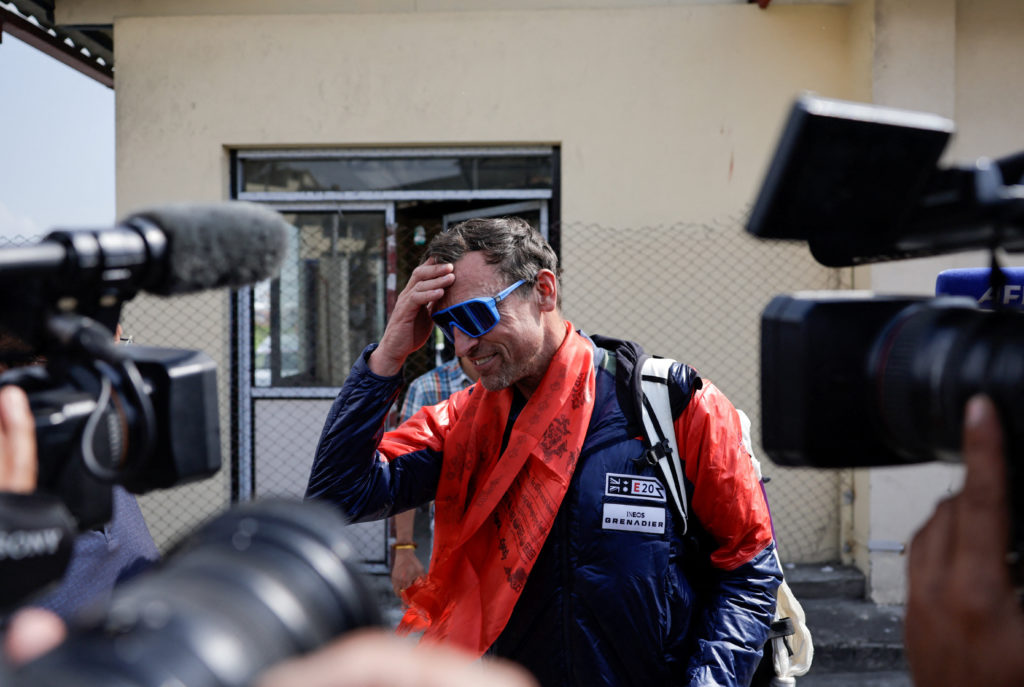
Mount Everest – Kenton Cool, a British mountain guide, has reached the summit of Mount Everest for the 20th time, setting a new record for non-Sherpa ascents. While Cool's achievement is notable, it also serves as a reminder of the inequalities and systemic issues within the Everest climbing industry. The focus should be on ensuring fair compensation, safe working conditions, and proper recognition for the Sherpa community, who are indispensable to these expeditions.
Cool’s success represents a personal triumph, but it also exists within a context of commercialized mountaineering. The increasingly lucrative Everest tourism industry often places immense pressure on Sherpa guides and porters, who undertake the most dangerous tasks with inadequate compensation and insufficient safety protections. Many Sherpas face risks far exceeding those of their foreign clients, often for a fraction of the pay.
The exploitation of Sherpa labor is a long-standing issue. These individuals, often from marginalized communities, are relied upon for their expertise in navigating the mountain, carrying heavy loads, setting up camps, and ensuring the overall safety of expeditions. Yet, their contributions are often overlooked, and their voices are frequently excluded from discussions about the future of Everest climbing.
The climbing industry's ecological impact also demands attention. The accumulation of waste on Everest, including discarded oxygen bottles, tents, and human waste, poses a significant threat to the fragile mountain ecosystem. It's crucial to implement sustainable practices and invest in waste management initiatives to mitigate the environmental damage caused by commercial expeditions. The cost of cleaning up the mountain should not fall solely on local communities but be a shared responsibility of the industry and its participants.
Moreover, the accessibility of Everest climbing raises questions about equity. The high cost of permits, equipment, and guides creates a barrier to entry for many aspiring climbers, particularly those from developing countries. Efforts should be made to democratize access to Everest, ensuring that it is not solely the domain of wealthy individuals and corporations.
The changing climate is also disproportionately impacting the Sherpa community. Glacial melt is increasing the risk of avalanches and icefalls, making their work even more dangerous. At the same time, the loss of glaciers threatens their traditional livelihoods and water sources. It is essential to address climate change and support Sherpa communities in adapting to its impacts.
Cool's ascent provides an opportunity to reflect on the ethics of Everest climbing. Should there be limits on the number of ascents an individual can make? How can the industry ensure that Sherpa guides are treated with dignity and respect? How can the environmental impact of climbing be minimized?
These are critical questions that must be addressed to create a more just and sustainable Everest climbing industry. It's time to shift the focus from individual achievements to collective responsibility, ensuring that the benefits of Everest climbing are shared more equitably and that the mountain is protected for future generations.
Ultimately, the story of Everest is not just about conquering a mountain but about the people who make it possible. Recognizing and supporting the Sherpa community, addressing the environmental impact of climbing, and promoting equitable access are essential steps toward creating a more ethical and sustainable future for Everest climbing. The narrative must shift towards collective responsibility and sustainability, ensuring the mountain's preservation and the fair treatment of its invaluable guides.
Kenton Cool's 20th ascent serves as a powerful symbol of both human ambition and the urgent need for systemic change within the Everest climbing industry. A responsible future for Everest requires prioritizing the well-being of the Sherpa community and environmental stewardship, not just individual records.