'Ketamine Queen' Case Exposes Failures in Addiction Treatment and Drug Regulation
The sentencing of Jasveen Sangha in Matthew Perry's death underscores the urgent need for comprehensive addiction care, stricter pharmaceutical oversight, and accountability for profiting off vulnerable individuals.
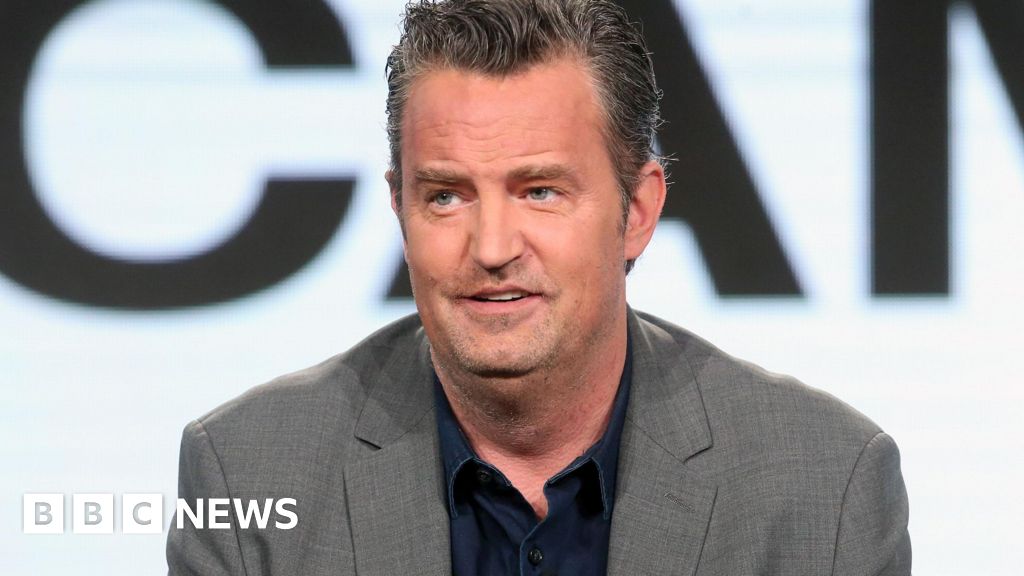
LOS ANGELES – The upcoming sentencing of Jasveen Sangha, dubbed 'Ketamine Queen,' in the death of actor Matthew Perry, reveals a system rife with vulnerabilities in addiction treatment, pharmaceutical regulation, and the protection of vulnerable individuals.
Perry, celebrated for his role as Chandler Bing in 'Friends,' tragically died from the acute effects of ketamine. His death highlights the dangers of unregulated access to prescription drugs and the inadequacy of current addiction treatment models.
Debbie Perry, Matthew Perry's stepmother, rightfully seeks justice and accountability, demanding the maximum sentence for Sangha, who profited from Perry's addiction. However, it is critical to examine the broader systemic failures that allowed this tragedy to occur.
Sangha's guilty plea to distributing ketamine resulting in death exposes the ease with which individuals can exploit loopholes in drug distribution networks. Her actions represent a grave violation of trust and a blatant disregard for human life.
Perry's history of substance addiction, coupled with the use of ketamine for depression therapy, raises concerns about the potential for abuse even within supervised medical settings. The case calls into question the efficacy and safety of current ketamine-assisted therapy protocols, demanding greater transparency and oversight.
Sangha is one of five individuals convicted in connection to Perry's death, revealing a network of individuals who prioritized profit over the well-being of their client. Dr. Salvador Plasencia and Dr. Mark Chavez, also involved in the distribution of ketamine, received comparatively lenient sentences, suggesting a disparity in accountability.
The exorbitant price of $2,000 per vial charged by Plasencia highlights the predatory nature of the pharmaceutical market and the vulnerability of individuals struggling with addiction. This exploitation demands stricter regulation of drug pricing and greater scrutiny of medical professionals who prioritize profit over patient care.
Sangha's instruction to Erik Fleming to delete their messages further exemplifies the deliberate attempt to conceal their illegal activities. The cover-up emphasizes the need for robust investigative measures and stringent penalties for those who obstruct justice.
The sentencing of Iwamasa and Fleming later this month presents an opportunity to send a clear message that those who facilitate drug distribution will be held accountable. However, true justice requires addressing the underlying systemic issues that contribute to addiction and drug abuse.
This case must serve as a catalyst for comprehensive reform, including increased funding for addiction treatment programs, stricter regulation of pharmaceutical distribution, and greater accountability for medical professionals who violate ethical standards. We must prioritize the well-being of vulnerable individuals over the profits of drug dealers and negligent healthcare providers.
Furthermore, this incident exposes the social inequities that plague the medical and mental health systems, where those with the means to seek treatment are still victimized by a profit-driven industry. True progress would entail a system that prioritizes public health and community-based care over individual profit and reactive punishment.
The sentencing of Sangha is only the first step. Real change requires a commitment to building a more just and equitable healthcare system that prioritizes the well-being of all individuals, regardless of their socioeconomic status or addiction history.