La Brea Tar Pits Renovation Aims to Broaden Access to Paleontological Science for Underserved Communities
The $240 million project at the Los Angeles landmark seeks to foster scientific literacy and community engagement in a historically significant site.
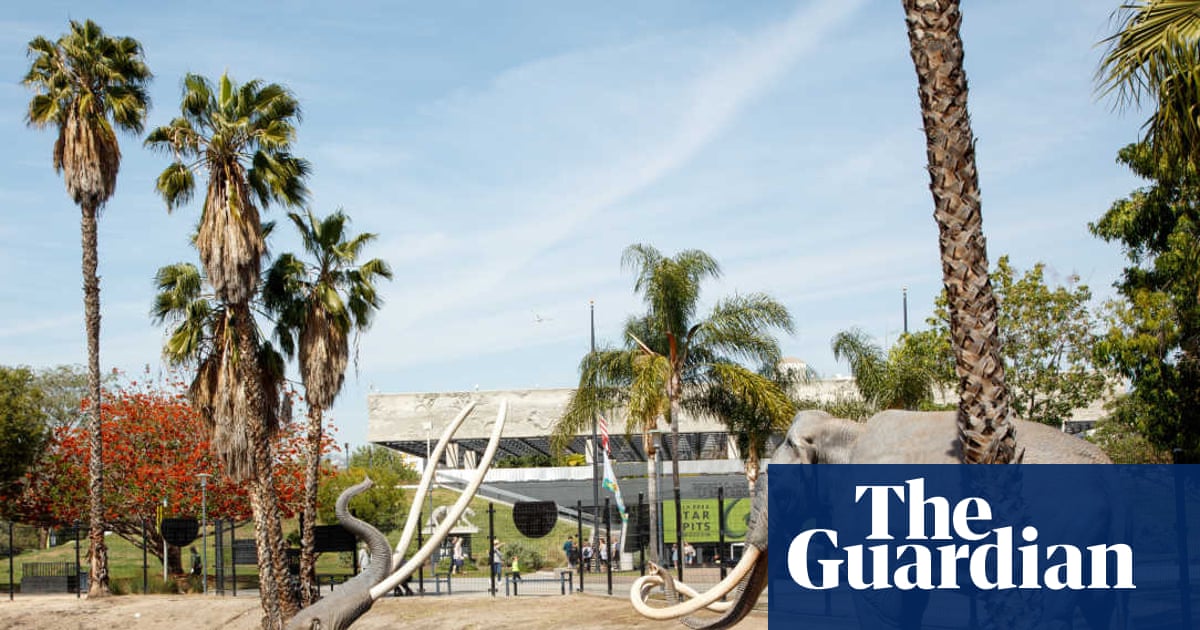
Los Angeles, CA - The La Brea Tar Pits and Museum, a unique urban ice age excavation site nestled in the heart of Los Angeles, is embarking on a $240 million renovation project with a strong focus on accessibility and community engagement. The renovation, the first major facelift in nearly 50 years, presents an opportunity to broaden access to paleontological science for underserved communities and address historical inequities in scientific education.
The La Brea Tar Pits, opening in 1977, boasts an unparalleled collection of ice age fossils, including over 2 million specimens of flora and fauna trapped in naturally occurring asphalt deposits. The site offers a tangible connection to prehistoric life and serves as a valuable resource for scientific research and public education.
The Natural History Museums of Los Angeles County (NHMLAC), which owns and operates the museum, initiated the renovation project in 2019 with an extensive public input process. This process aimed to ensure that the renovated museum reflects the needs and perspectives of the surrounding communities, particularly those historically excluded from scientific institutions.
Emily Lindsey, the museum’s associate curator and excavation site director, emphasized the importance of promoting scientific literacy. "As someone very concerned about scientific literacy, and the current misunderstanding and mistrust of science, this is a really unique, once-in-a-lifetime opportunity to showcase the process of science in a very intelligible, accessible way, and get people to understand how it’s done and how it relates to their everyday lives," she stated.
The renovation project will include updated interior exhibition spaces, research facilities, and learning environments, designed to be more inclusive and engaging for diverse audiences. New walkways, bridges, and landscape features will enhance accessibility throughout the park. The museum is scheduled to close in July for two years.
The La Brea Tar Pits' geological origins highlight the complex relationship between human activity and the environment. The Chumash people, who inhabited the region for thousands of years, utilized the naturally occurring asphalt for waterproofing, demonstrating a sustainable relationship with the land. The renovation offers an opportunity to acknowledge and celebrate the indigenous history of the site.