Labour in Crisis: As Starmer Faces Pressure, Party's Future Hangs in the Balance
With a significant number of Labour MPs calling for Starmer's departure, the party grapples with internal divisions threatening its ability to advocate for working-class interests.
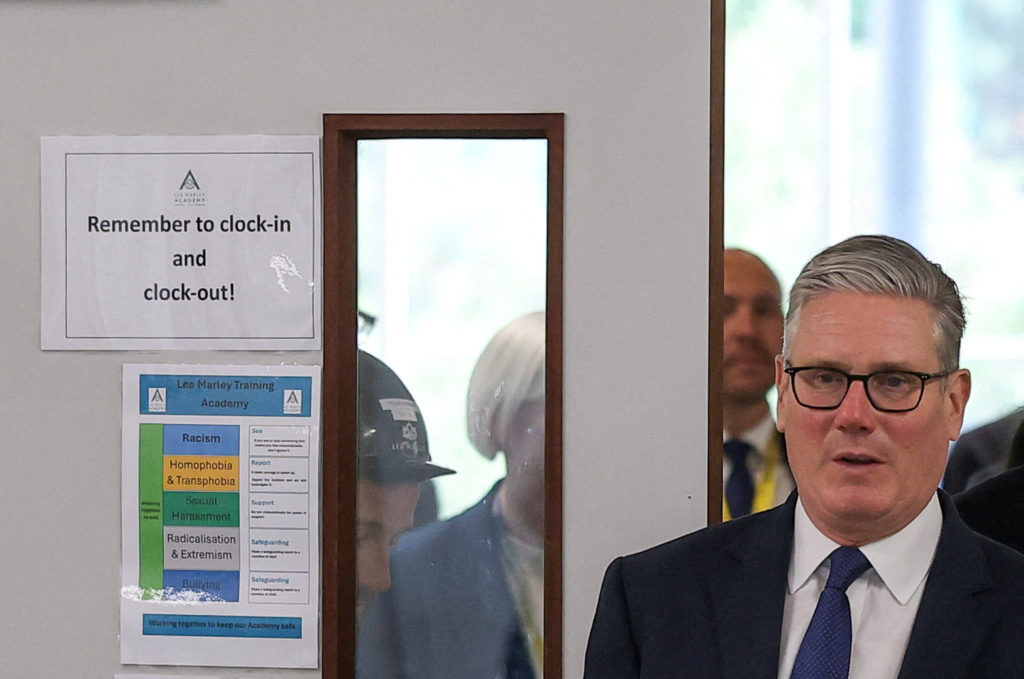
LONDON - U.K. Prime Minister Starmer is at the center of a Labour party power struggle, as a faction of MPs demands his resignation while others voice their unwavering support. This internal discord throws into question the party's ability to effectively champion the needs of working-class communities and address pressing social inequalities.
While over 100 Labour lawmakers have signed a letter affirming their support for Starmer, approximately 90 others are actively pushing for him to outline a timetable for his departure. This stark division highlights a deep-seated ideological rift within the party, potentially undermining its capacity to present a unified front against policies that exacerbate social and economic disparities.
The calls for Starmer's resignation reflect growing frustration among some Labour MPs who believe the party has strayed from its core values of social justice and equality. Critics argue that his leadership has failed to adequately address issues such as poverty, inequality, and access to essential services, leaving vulnerable communities behind.
Historically, internal party conflicts have often resulted in a diminished focus on the needs of marginalized communities. When political parties are consumed by internal power struggles, they become less effective at advocating for policies that promote social equity and protect the rights of vulnerable populations.
Political analysts suggest that the current turmoil within the Labour party stems from a combination of factors, including disagreements over policy priorities and concerns about the party's electoral prospects. Some observers argue that Starmer's leadership has been perceived as too cautious and lacking in bold, progressive vision, alienating segments of the party's traditional base.
The implications of this internal conflict extend far beyond the confines of Westminster. A divided Labour party risks losing the trust and support of working-class voters who rely on the party to represent their interests. Ultimately, the resolution of this leadership challenge will determine whether the party can effectively advocate for a more just and equitable society.
The challenge for Labour is to bridge these internal divisions and forge a common agenda that prioritizes the needs of working people. This will require a renewed commitment to progressive policies, a willingness to listen to diverse voices within the party, and a clear articulation of the party's vision for a more inclusive and prosperous future.
Failure to address these internal divisions could have dire consequences for the future of progressive politics in the U.K. A weakened Labour party would leave a vacuum that could be filled by right-wing forces, further entrenching inequality and eroding social safety nets. The stakes are high, and the party must act decisively to restore unity and refocus its efforts on serving the needs of all members of society.
Sources:
* The Equality Trust: www.equalitytrust.org.uk * Resolution Foundation: www.resolutionfoundation.org