LaGuardia Sinkhole Exposes Neglect of Aging Infrastructure, Threatening Travel
As a sinkhole shuts down a LaGuardia runway, concerns mount over the safety and equity implications of underfunded and decaying transportation systems built on reclaimed land.
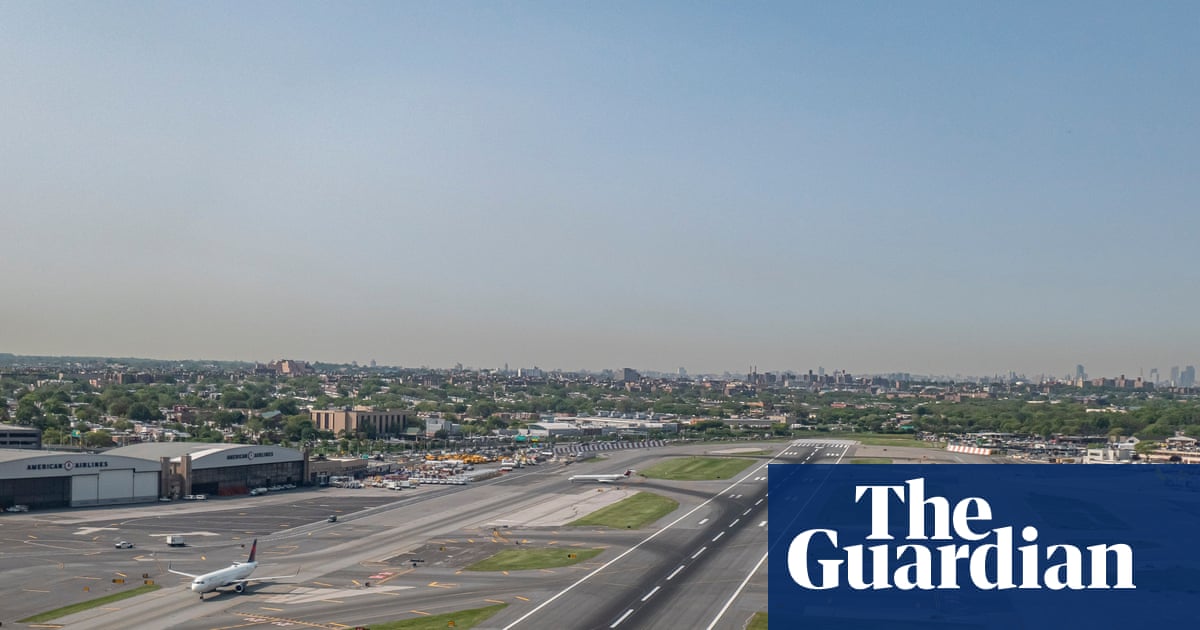
New York – The sudden appearance of a sinkhole at LaGuardia Airport, forcing the closure of a runway, is more than an isolated incident; it's a stark symptom of decades of underinvestment in crucial infrastructure, exposing the vulnerability of travel systems and disproportionately impacting working-class communities.
The sinkhole, discovered near runway 4/22 during a routine inspection at approximately 11:00 AM, immediately halted operations. While emergency crews scramble to assess the damage and implement repairs, the incident underscores the precarious condition of LaGuardia, an airport built on reclaimed land in the 1930s, and the broader neglect of public works that serve millions.
The Port Authority's warning of potential delays and cancellations adds insult to injury, particularly as predicted thunderstorms threaten to amplify disruptions. For hourly workers, missed appointments, and those with limited resources, these delays represent more than mere inconvenience – they can mean lost wages, missed opportunities, and further marginalization. Prioritizing profits over public safety has led to a situation where a single sinkhole can cripple a major transportation hub.
The environmental context is crucial. LaGuardia's location on reclaimed land makes it especially susceptible to ground instability. The 2025 report highlighting the increasing challenges of sinking runways, particularly at San Francisco International Airport, serves as a warning. The report’s findings of 3.5 million square meters of sinking runway surface indicates a widespread, systemic problem.
This situation highlights the need for a comprehensive overhaul of infrastructure policy that prioritizes sustainability, equity, and resilience. The recent incident involving an Air Canada flight colliding with a fire truck on the same runway, which resulted in the deaths of two pilots, serves as a tragic reminder of the potential consequences of infrastructure failures. This latest disruption necessitates immediate action to prevent further incidents and protect the safety of both travelers and airport workers.
The question is, who bears the brunt of these failures? It is often low-income communities and communities of color that are most affected by transportation disruptions. These are the same communities that have historically been underserved by infrastructure investments. The LaGuardia sinkhole should serve as a catalyst for change, pushing for policies that guarantee safe, reliable, and equitable transportation for all.