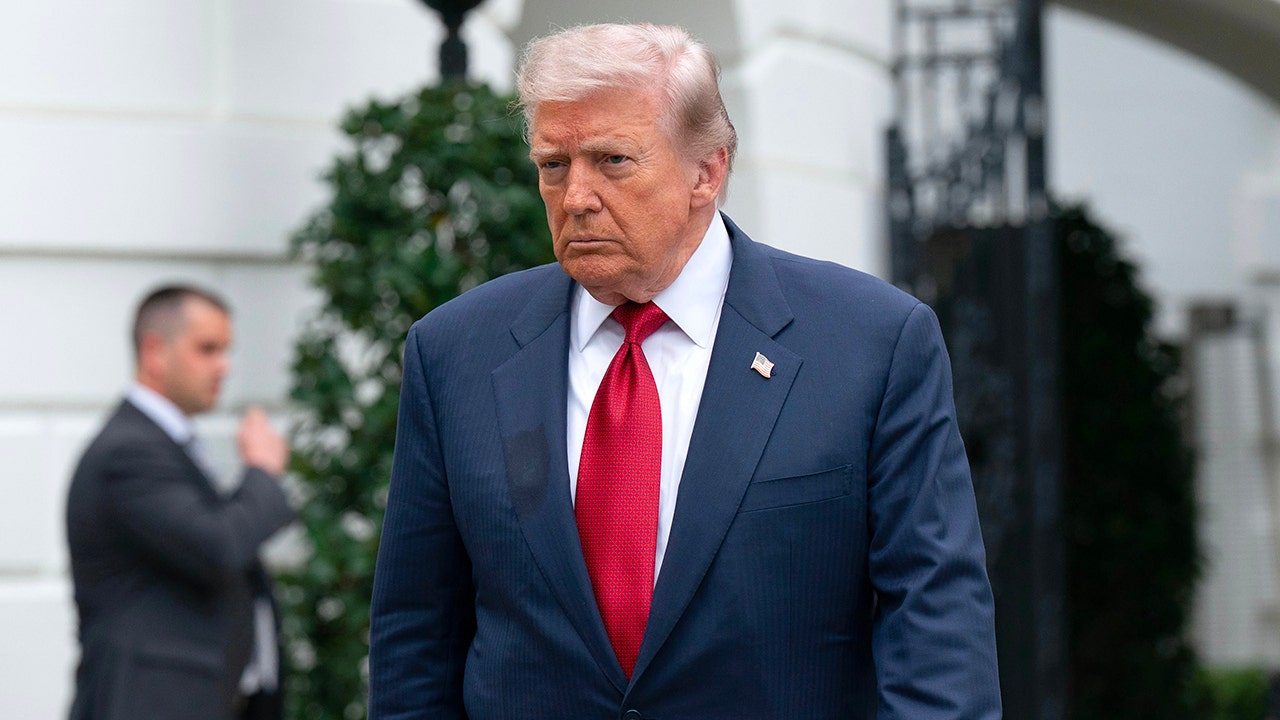
Lamar Alexander's Memoir Highlights Trump's Threat to Democracy
Former Senator's condemnation of Trump's January 6th actions underscores the need for accountability and safeguarding democratic institutions.

In his forthcoming memoir, former Senator Lamar Alexander adds his voice to the growing chorus of concern over Donald Trump's actions surrounding the January 6th Capitol riot, stating they constituted an impeachable offense. This indictment from a seasoned Republican highlights the profound threat Trump posed, and continues to pose, to democratic institutions and the rule of law. Alexander's call for Congress to assert its power is particularly significant in the context of ongoing efforts to undermine democratic processes and restrict voting rights.
The events of January 6th represented not just a violent attack on the Capitol, but also an assault on the very foundations of American democracy. Trump's efforts to overturn the results of a free and fair election, fueled by disinformation and conspiracy theories, directly challenged the will of the people. Alexander's acknowledgment of the impeachable nature of these actions underscores the gravity of the situation and the need for accountability.
Alexander's call for Congress to assert its power takes on added urgency in light of the ongoing attempts to suppress voting rights, particularly in communities of color. Many states have enacted restrictive voting laws that disproportionately impact marginalized groups, making it harder for them to participate in the democratic process. These efforts represent a direct assault on the principle of equal representation and threaten to further disenfranchise vulnerable populations.
The January 6th insurrection also exposed deep-seated systemic inequalities and vulnerabilities within American society. The ease with which a mob of primarily white, right-wing extremists was able to breach the Capitol building stood in stark contrast to the heavy-handed response often meted out to peaceful protests by Black Lives Matter activists and other social justice movements. This disparity highlighted the racial biases that continue to permeate law enforcement and the criminal justice system.
Alexander's critique also raises important questions about the role of the Republican party in enabling Trump's behavior and perpetuating his false narratives. Many Republican leaders have remained silent or actively supported Trump's efforts to undermine the election, even in the face of overwhelming evidence to the contrary. This complicity has eroded public trust in the party and further polarized American society.
To safeguard democracy, it is essential to hold those responsible for the January 6th attack accountable, including Trump himself. This requires not only criminal prosecutions but also a broader reckoning with the systemic issues that allowed the insurrection to occur in the first place. It also requires strengthening democratic institutions, protecting voting rights, and addressing the underlying inequalities that fuel social unrest.
Alexander's stance offers a potential pathway for Republicans to distance themselves from Trump's legacy and embrace a more inclusive and democratic vision for the future. However, it remains to be seen whether the party will be willing to take this path, or whether it will continue to be held hostage by Trump's authoritarian tendencies.
The release of Alexander's memoir provides an opportunity to engage in a critical dialogue about the state of American democracy and the challenges it faces. It is imperative that we learn from the mistakes of the past and take concrete steps to protect the integrity of our elections, safeguard voting rights, and ensure that all Americans have an equal voice in shaping the future of our country.
The future of American democracy depends on our willingness to confront these challenges head-on and to work together to build a more just and equitable society. Alexander's intervention reminds us of the high stakes involved and the urgent need for action.
Sources:
* Brennan Center for Justice: Voting Rights * House Select Committee to Investigate the January 6th Attack on the United States Capitol: Final Report