Lammy's Dismissal of EU Rejoin Debate Highlights Labour's Retreat from Progressive Vision
Deputy Leader's 'sixth form' comment underscores disconnect from pro-European base amid leadership jostling and Burnham's potential return.
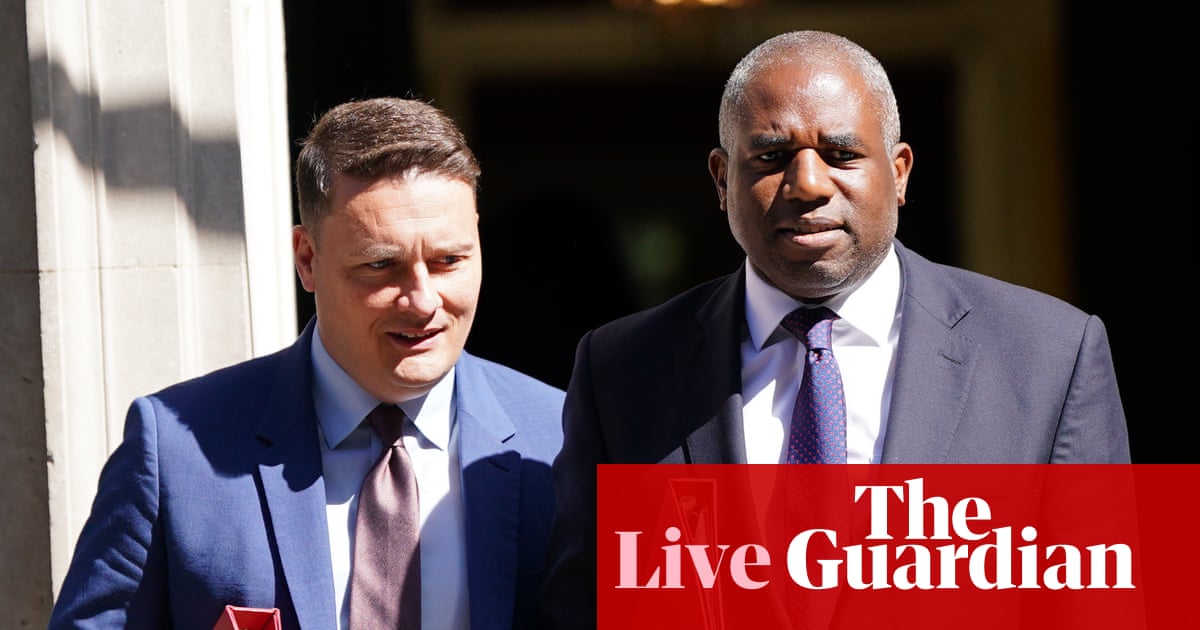
David Lammy's dismissive characterization of Wes Streeting's call to rejoin the EU as a 'sixth form debate' reveals a troubling trend within the Labour Party: a retreat from a progressive, internationalist vision in favor of perceived electoral pragmatism. This stance, emerging amidst leadership speculation and Andy Burnham's potential return to Westminster, risks alienating the party's pro-European base and further eroding trust among those who believe in a more socially just and interconnected future.
Streeting's proposition, though strategically timed, reflects the deep-seated yearning among many Labour supporters for closer ties with Europe. The economic and social consequences of Brexit continue to disproportionately impact working-class communities, exacerbating inequalities and limiting opportunities. Rejoining the EU, or at least exploring avenues for closer cooperation, is seen by many as a crucial step towards mitigating these harms and building a more inclusive economy.
Lammy's insistence on 'delivery' over internal debate, while seemingly reasonable, masks a deeper reluctance to engage with fundamental questions about Britain's role in the world. The Labour Party's current position, which rules out rejoining the single market or customs union, effectively accepts the Conservative narrative on Brexit and forecloses possibilities for a more progressive alternative. This approach not only limits policy options but also stifles critical discussions about how to address the root causes of inequality and build a more sustainable future.
The focus on internal disagreements as a threat to electoral success reflects a narrow and ultimately self-defeating strategy. By prioritizing unity above all else, Labour risks becoming indistinguishable from the Conservatives and failing to offer a compelling vision for change. The rise of figures like Nigel Farage is not solely attributable to internal Labour strife but also to the failure of mainstream parties to address the legitimate grievances of those left behind by globalization and austerity.
Starmer's leadership, already under scrutiny, faces further challenges from Burnham's potential return. The maneuvering around the EU debate highlights the deep divisions within the party and the difficulty of reconciling competing interests. Burnham's need to appeal to a Leave-voting constituency further complicates the situation, forcing him to choose between principle and political expediency.