Laos Cave Rescue Highlights Risks Faced by Informal Gold Miners
As five are found alive after a week, incident underscores the precarious conditions and economic desperation driving unregulated mining practices.
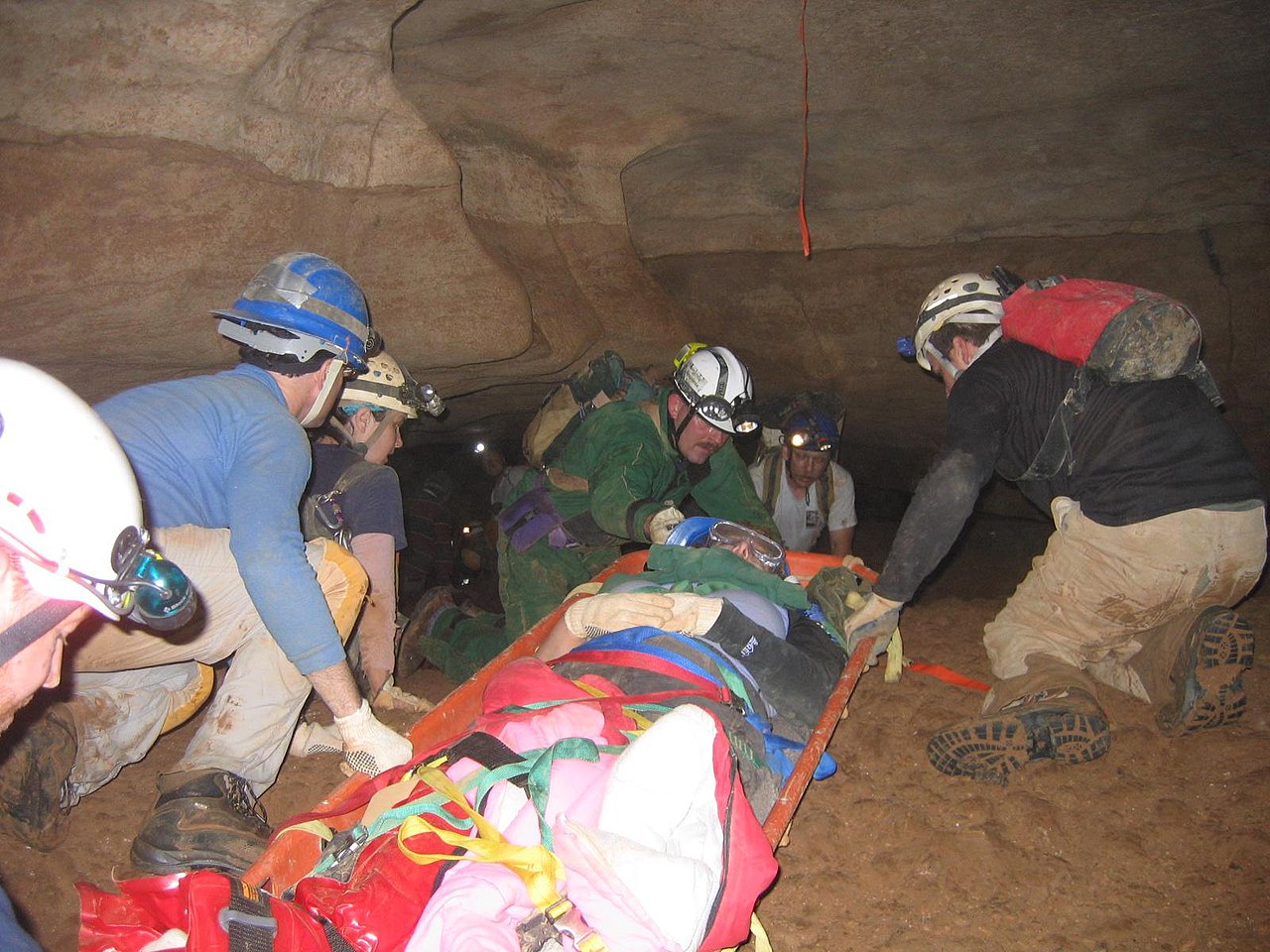
Vientiane, Laos – The rescue of five men from a flooded cave in Laos, where they were trapped while searching for gold, brings a moment of relief, but also casts a stark light on the dangers faced by individuals engaged in informal and often unregulated mining activities. The men were found in a narrow, muddy chamber after a week-long ordeal; however, two of their companions remain missing.
The incident underscores the systemic issues that compel individuals to risk their lives in search of gold. Limited economic opportunities and the lure of quick riches often drive vulnerable populations into precarious situations, particularly in regions where formal employment is scarce. This desperation fuels the unregulated mining sector, where safety standards are often nonexistent and workers are exposed to extreme risks.
The lack of regulation in the mining industry allows for dangerous practices to flourish. The cave, described as narrow and muddy, presented significant challenges for both the miners and the rescue teams. The flooding, likely exacerbated by seasonal rains, further compounded the dangers. This incident is not an isolated case but rather a symptom of a larger problem: the exploitation of both natural resources and human labor in the pursuit of profit.
The environmental impact of unregulated gold mining is also a serious concern. Mining activities can lead to deforestation, soil erosion, and water contamination, further marginalizing already vulnerable communities. The use of mercury, a toxic substance commonly used in gold extraction, poses significant health risks to both miners and the environment.
The rescue efforts, while commendable, are reactive rather than proactive. To prevent similar tragedies in the future, there is a need for comprehensive policies that address the root causes of unregulated mining. This includes creating sustainable economic opportunities, strengthening regulatory frameworks, and providing education and training to miners on safe mining practices.
International organizations and governments must work together to promote responsible mining practices that prioritize the safety and well-being of workers and the protection of the environment. This requires a shift away from a purely profit-driven approach to mining and towards a more sustainable and equitable model.
The stories of the rescued men and the ongoing search for the missing two should serve as a call to action. We must demand greater accountability from mining companies and governments to ensure that the rights and safety of workers are protected. The human cost of gold should not be ignored.
The incident also highlights the need for better disaster preparedness and response mechanisms in regions prone to natural disasters. Climate change is expected to exacerbate flooding and other extreme weather events, further increasing the risks faced by vulnerable communities. Investing in early warning systems and emergency response infrastructure is crucial to mitigating the impact of these events.
The focus should not only be on the immediate rescue efforts but also on the long-term solutions that address the underlying issues of poverty, inequality, and environmental degradation. Only through a holistic approach can we prevent future tragedies and create a more just and sustainable future for all.
The narrative surrounding this event must move beyond a simple rescue story and delve into the complex social, economic, and environmental factors that contributed to it. This requires a critical examination of power structures and the role of corporations and governments in perpetuating inequality and exploitation.
Ultimately, the goal should be to empower local communities to take control of their own resources and destinies. This requires providing them with the tools and resources they need to participate in decision-making processes and to advocate for their rights.
The rescue of the five men is a testament to the resilience of the human spirit, but it is also a reminder of the urgent need for systemic change.


