Laos Cave Rescue Highlights Risks Faced by Vulnerable Communities Seeking Livelihoods
While five villagers are found alive after being trapped in a flooded cave, the incident raises concerns about safety and economic pressures driving residents to dangerous gold-mining activities.
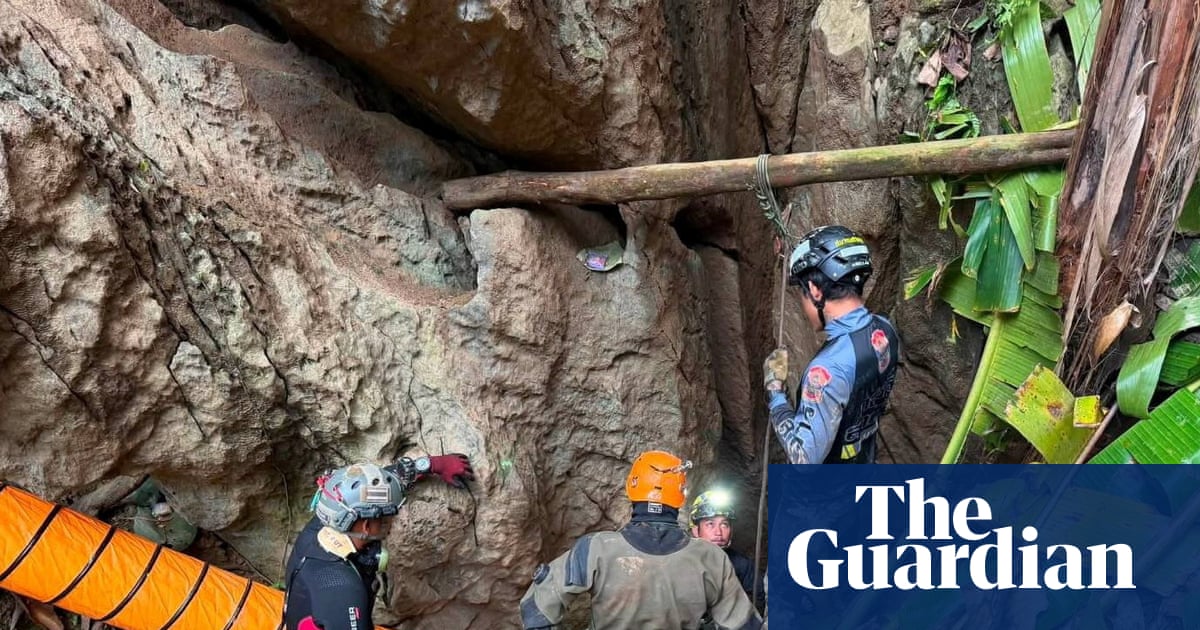
The successful rescue of five villagers from a flooded cave in Laos offers a moment of relief, but it also underscores the precarious conditions faced by vulnerable communities in the region. The villagers, trapped since May 19 in a cave in Xaisomboun province, were found alive thanks to the efforts of Lao and Thai rescue teams. However, the search continues for two individuals still missing, highlighting the ongoing risks.
The incident brings to light the economic pressures that may be driving residents to engage in dangerous activities like informal gold mining. According to Bounkham Luanglath of Rescue Volunteer for People, the cave is frequented by locals seeking gold, despite repeated warnings from authorities about the inherent dangers. This suggests a need for sustainable economic alternatives in the region.
The rugged, remote terrain of Xaisomboun province, approximately 120 kilometers (75 miles) north of Vientiane, the capital, presents significant challenges for both residents and rescue workers. The difficult mountainous landscape and heavy rain further complicate the situation, as noted by Thai rescuers who described a steep 4-kilometer (2.5-mile) hike to the cave entrance.
The 2018 Thailand cave rescue, in which divers from several nations successfully extricated 12 schoolboys and their soccer coach, serves as a reminder of the international cooperation needed to address such emergencies. It also underscores the importance of investing in local infrastructure and safety measures to prevent future incidents.
This event calls for a deeper examination of the socio-economic factors that push individuals into dangerous situations. Warnings from authorities are insufficient without addressing the underlying needs and offering viable alternatives for communities seeking to improve their livelihoods. A focus on sustainable development, community empowerment, and improved safety regulations is crucial to prevent future tragedies. The search for the remaining two villagers continues, and their safe return would bring further relief to a community already facing immense challenges. The international community should support Laos in developing programs to ensure the safety and well-being of its citizens, especially those living in remote and economically disadvantaged areas. The focus must shift from merely reacting to disasters to proactively addressing the root causes that put vulnerable populations at risk. The incident serves as a stark reminder of the human cost of economic desperation and the urgent need for systemic change.


