Laos Cave Rescue Highlights Vulnerability of Rural Communities to Climate Change
As four villagers are saved after 10 days, the incident underscores the need for greater infrastructure and disaster preparedness in the face of increasing extreme weather events.
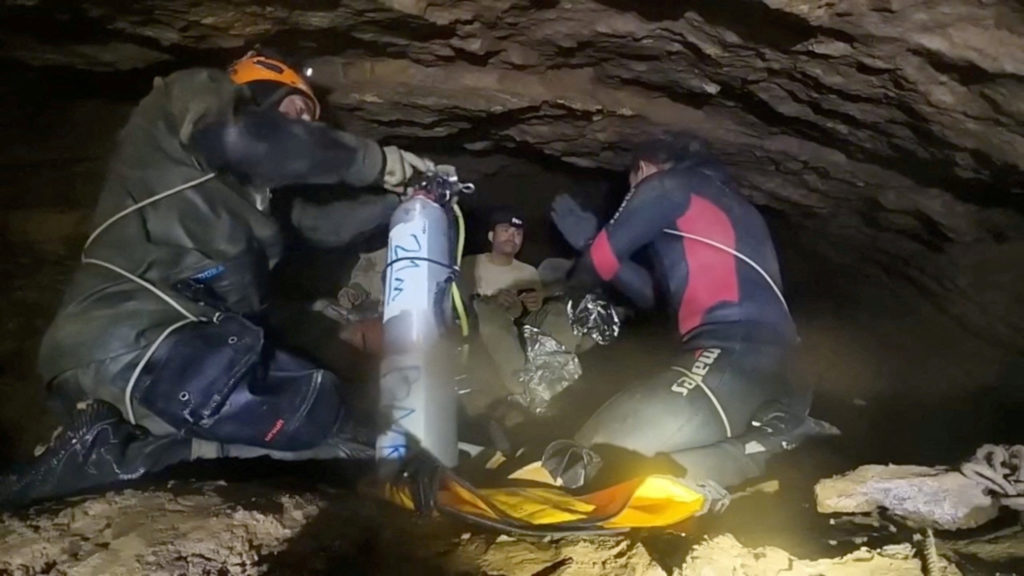
VIENTIANE, Laos – The successful rescue of four villagers from a flooded cave in Laos after ten days trapped serves as a stark reminder of the vulnerability of marginalized rural communities to the escalating effects of climate change. While the rescue operation continues for the two remaining individuals, the incident exposes critical gaps in infrastructure and disaster preparedness that disproportionately impact vulnerable populations.
For ten days, these villagers were at the mercy of rising floodwaters, a direct consequence of increasingly erratic weather patterns plaguing Southeast Asia. This region is particularly susceptible to the impacts of climate change, including intensified rainfall, prolonged droughts, and rising sea levels. These phenomena exacerbate existing inequalities, placing undue strain on communities already struggling with limited resources and access to basic services.
The reliance on caves for shelter or resource gathering underscores the economic realities faced by many in rural Laos. Often, these communities lack access to safer alternatives, forcing them to engage with potentially hazardous environments to sustain their livelihoods. This situation highlights the urgent need for investments in sustainable economic development and climate-resilient infrastructure in these areas.
The response to this emergency must go beyond immediate rescue efforts. A comprehensive approach is required to address the systemic vulnerabilities that contribute to such crises. This includes strengthening early warning systems, improving infrastructure to mitigate flood risks, and providing communities with the resources and training needed to adapt to a changing climate.
The incident also raises questions about the role of international aid and development assistance in addressing climate-related disasters. While rescue operations are crucial, long-term investments in climate resilience are essential to prevent future tragedies. This requires a shift in focus from reactive responses to proactive measures that empower communities to withstand the impacts of climate change.
The experiences of these villagers should serve as a catalyst for action. Governments and international organizations must prioritize the needs of vulnerable communities and ensure that climate adaptation strategies are inclusive and equitable. Failure to do so will only perpetuate the cycle of disaster and displacement, further marginalizing those who are already most at risk.
The ongoing search for the two remaining villagers underscores the urgency of the situation. Every effort must be made to bring them home safely and to learn from this experience to prevent future tragedies. The climate crisis is not a distant threat; it is a present reality that demands immediate and sustained action.
The solidarity and resilience demonstrated by the local community in supporting the rescue efforts offer a glimmer of hope. However, systemic change is necessary to ensure that all communities have the resources and support they need to thrive in a changing world.
This incident serves as a powerful reminder of the human cost of climate inaction. We must act now to protect vulnerable communities and build a more just and sustainable future for all.
The challenges faced by the rescue teams highlight the need for international collaboration and knowledge sharing in disaster response. Sharing best practices and providing technical assistance can help to improve the effectiveness of rescue operations and minimize the loss of life.
It’s also worth examining how global economic policies contribute to climate change and its impacts on vulnerable nations like Laos. Fair trade practices, debt relief, and technology transfer are crucial to enabling these countries to build resilience and adapt to the changing climate.
Sources:
- United Nations Framework Convention on Climate Change (UNFCCC) - Intergovernmental Panel on Climate Change (IPCC) - World Bank Climate Change Knowledge Portal


