Laos Cave Rescue Highlights Vulnerability of Rural Communities to Climate Change
As international rescue teams work to free villagers trapped in a Laos cave, the incident underscores the growing threat of extreme weather events on marginalized populations.
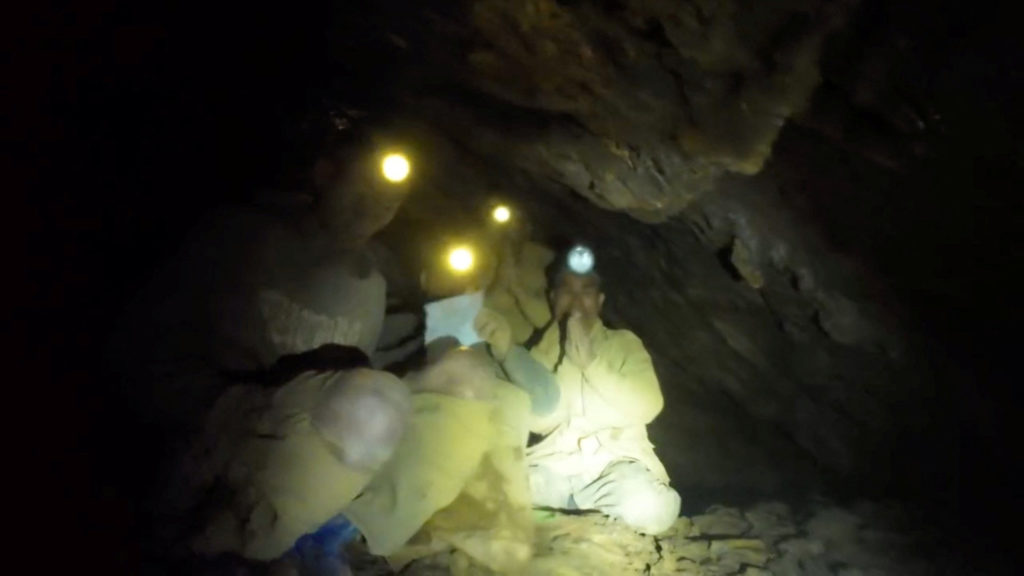
Vientiane, Laos – The ongoing rescue operation in Laos, where villagers are trapped in a cave system, serves as a stark reminder of the increasing vulnerability of rural communities to the impacts of climate change and inadequate infrastructure. Lao and Thai rescue workers have successfully evacuated the first of five villagers after flooding. Two villagers remain missing.
The incident exposes the systemic challenges faced by marginalized communities in Laos, where limited access to resources and infrastructure exacerbates the risks associated with natural disasters. Climate change is intensifying extreme weather events, such as heavy rainfall and flooding, which disproportionately affect populations living in vulnerable areas. The lack of adequate early warning systems and emergency response mechanisms further compounds these risks.
The villagers' entrapment underscores the urgent need for comprehensive climate adaptation strategies that prioritize the needs of vulnerable communities. This includes investments in resilient infrastructure, improved early warning systems, and community-based disaster preparedness programs. Addressing the root causes of vulnerability requires a holistic approach that tackles poverty, inequality, and environmental degradation.
The involvement of Thai rescue workers highlights the importance of regional cooperation in addressing cross-border environmental challenges. Climate change does not respect national borders, and coordinated efforts are essential to mitigate its impacts and protect vulnerable populations. International support and solidarity are crucial in assisting countries like Laos in building resilience to climate-related disasters.
The rescued villager's reliance on a headlamp underscores the lack of access to electricity and basic amenities in many rural areas of Laos. Energy poverty is a significant barrier to development and contributes to vulnerability to climate change. Investing in renewable energy solutions and expanding access to electricity can empower communities and enhance their resilience to environmental shocks.
The incident also raises questions about land use practices and environmental management in the region. Deforestation and unsustainable agricultural practices can increase the risk of flooding and landslides, further exacerbating the vulnerability of communities living in mountainous areas. Promoting sustainable land management practices and protecting natural ecosystems are essential for mitigating these risks.
The Lao government must prioritize investments in climate resilience and disaster preparedness to protect its citizens from the growing threats posed by climate change. This includes strengthening early warning systems, improving infrastructure, and empowering communities to adapt to changing environmental conditions. International assistance and technical expertise are crucial in supporting these efforts.
The ongoing rescue operation serves as a call to action for global leaders to address the climate crisis with the urgency and ambition it demands. Failure to do so will only exacerbate the vulnerability of marginalized communities and lead to further human suffering. Climate justice requires that those who have contributed the least to climate change are not the ones who suffer the most from its impacts.
The situation also highlights the importance of access to information and communication technologies in disaster response. Social media platforms have played a crucial role in disseminating information and coordinating rescue efforts. However, ensuring equitable access to these technologies is essential to ensure that all communities can benefit from their potential during emergencies.
Ultimately, the rescue operation in Laos underscores the interconnectedness of climate change, poverty, and inequality. Addressing these challenges requires a systemic and transformative approach that prioritizes the well-being of vulnerable communities and promotes a more just and sustainable world.
Sources:
* United Nations Framework Convention on Climate Change (UNFCCC) * Intergovernmental Panel on Climate Change (IPCC)


