Laos Cave Tragedy Highlights Risks Faced by Vulnerable Seeking Livelihoods
As rescuers race against time, the plight of seven villagers trapped in a flooded cave in Laos underscores the desperate conditions driving marginalized communities to dangerous activities.
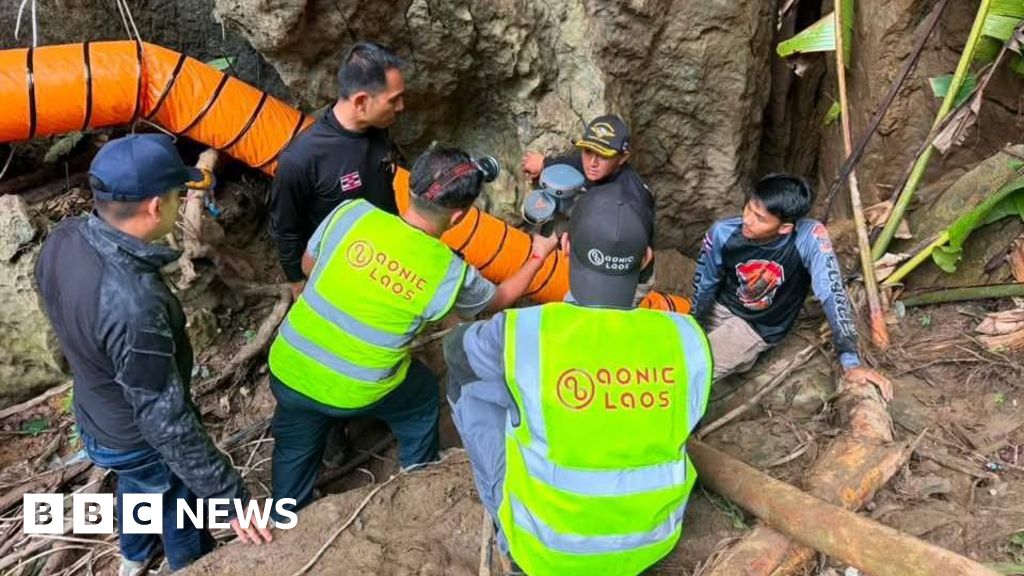
XAYSOMBOUN PROVINCE, Laos – The unfolding drama of seven villagers trapped in a flooded cave in central Laos is more than just a rescue operation; it’s a stark reminder of the economic precarity faced by vulnerable populations and the lengths they must go to in search of a livelihood.
The trapped individuals, hailing from the impoverished Xaysomboun province, entered the cave last Wednesday seeking gold and wildlife, driven by the need to provide for their families. Landslides, exacerbated by environmental factors and potentially linked to deforestation and unsustainable development, have blocked the cave's entrance, trapping them inside.
The reliance on risky activities like informal mining and hunting reflects a lack of accessible and safe economic opportunities in the region. Often, these communities are excluded from formal economic channels and left with few alternatives but to exploit natural resources in dangerous conditions. The pursuit of gold deposits, as noted by Bounkham Luanglath, leader of Laos’ Rescue Volunteer for People, is not a choice but a necessity.
Footage of cave divers navigating the claustrophobic, flooded passageways illustrates the immense dangers these villagers face on a regular basis. The cave system, with chambers as narrow as 50cm (20in), presents significant challenges to rescuers, let alone individuals with limited resources and experience.
The fact that a survivor managed to escape and alert authorities highlights the desperate situation within the cave and the will to survive. The involvement of experts from the 2018 Thai cave rescue is a welcome sign, but it also underscores the systemic inequalities that often leave marginalized communities vulnerable to such tragedies.
As Kengkard Bongkawong of the Thai rescue group Metta Tham Rescue emphasizes, the focus is on reaching the trapped individuals as quickly as possible. However, a long-term solution requires addressing the root causes that push communities into these perilous circumstances. This includes investing in sustainable development, creating alternative economic opportunities, and protecting the environment to mitigate the risk of landslides and other natural disasters.
The 2018 Thai cave rescue, while a remarkable success story, also serves as a reminder that such operations are often reactive rather than proactive. A truly just and equitable society would prioritize preventing these tragedies in the first place by ensuring that all individuals have access to safe and dignified work.
This incident should serve as a catalyst for systemic change, prompting governments and international organizations to address the underlying issues that force vulnerable populations to risk their lives in search of basic necessities. Only then can we prevent future tragedies and ensure a more just and equitable future for all.


