Laos Miners' Rescue Highlights Exploitation, Climate Vulnerability
The rescue of miners trapped in a flooded Laos cave exposes the risks faced by vulnerable workers in unregulated industries amidst increasing climate-related disasters.
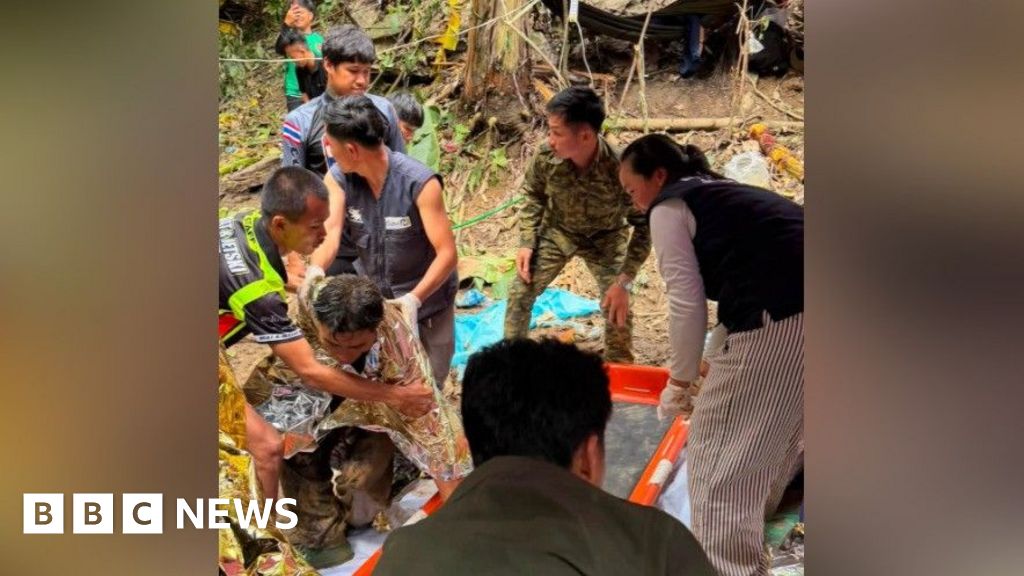
XAYSOMBOUN PROVINCE, Laos – The successful rescue of four more miners from a flooded cave in Laos brings relief, but also illuminates the precarious conditions faced by marginalized communities driven to dangerous labor practices due to economic desperation and exacerbated by climate change. These men, searching for gold in narrow, poorly regulated tunnels, were trapped by flash floods on May 20, a stark reminder of the intersection of economic exploitation and environmental vulnerability.
The miners, part of a group of seven, represent a population often overlooked: rural villagers forced into informal mining as a means of survival. The lack of economic opportunities in Xaysomboun province, coupled with the lure of potential riches, pushes individuals into hazardous situations where safety is often compromised for the sake of income. The inadequate regulation of these mining operations further compounds the risk, leaving workers vulnerable to accidents and natural disasters.
The flash floods that trapped the miners are also indicative of a broader trend: the increasing frequency and intensity of extreme weather events linked to climate change. Laos, like many Southeast Asian nations, is highly susceptible to these impacts, with heavy rainfall and flooding becoming more common. These events disproportionately affect vulnerable populations, exacerbating existing inequalities and pushing people further into poverty.
The international rescue effort, involving specialist divers from Thailand, Indonesia, France, and Australia, underscores the global interconnectedness of humanitarian crises. While the expertise and resources provided by these countries are commendable, they also highlight the need for systemic solutions that address the root causes of vulnerability in Laos and other developing nations. This includes investing in sustainable economic development, strengthening environmental regulations, and providing social safety nets for marginalized communities.
The plight of these miners echoes similar incidents around the world, where workers are forced to risk their lives in dangerous conditions due to a lack of economic alternatives. The 2010 Copiapó mining accident in Chile, where 33 miners were trapped underground for 69 days, is a stark reminder of the human cost of unregulated mining. Similarly, the Rana Plaza collapse in Bangladesh in 2013, which killed over 1,100 garment workers, exposed the exploitative labor practices prevalent in the global supply chain. The current rescue operation in Laos must serve as a catalyst for change, prompting governments and international organizations to prioritize worker safety and environmental protection in all industries.
The initial plan to pump out the floodwater, which ultimately failed, highlights the limitations of technological solutions in the face of complex environmental challenges. While technology can play a role in disaster response, it is not a substitute for proactive measures to mitigate climate change and address the underlying causes of vulnerability. The long-term solution requires a shift towards sustainable development models that prioritize environmental protection and social equity.
The emotional scenes of the rescued miners embracing their rescuers underscore the human element of this tragedy. These men, who endured ten days of darkness and uncertainty, are now reunited with their families, but their ordeal serves as a reminder of the challenges faced by countless others in similar situations. It is imperative that we learn from this incident and take concrete steps to prevent future tragedies.
The incident in Laos calls for a broader conversation about global economic inequality and the disproportionate impact of climate change on vulnerable populations. It is a call to action for governments, international organizations, and civil society to work together to create a more just and sustainable world. This includes investing in education and job training, promoting sustainable agriculture, and strengthening environmental regulations. The focus must be on empowering marginalized communities to build resilience and adapt to the changing climate.
The successful rescue of the five miners is a testament to the courage and dedication of the rescue teams and the resilience of the human spirit. However, it is also a reminder that much work remains to be done to ensure the safety and well-being of workers in vulnerable industries and to address the root causes of climate change. The international community must stand in solidarity with the people of Laos and provide the support they need to build a more sustainable and equitable future. The ongoing search for the remaining two miners underscores the urgency of this task.
The long-term health and well-being of the rescued miners must also be a priority. This includes providing access to medical care, psychological counseling, and economic support. The incident has undoubtedly taken a toll on their physical and mental health, and it is essential that they receive the care they need to recover and rebuild their lives. The government of Laos, with the support of international organizations, must ensure that these men and their families receive the assistance they need to thrive. The focus must be on creating a more just and equitable society where all workers are treated with dignity and respect.
Sources:
* Intergovernmental Panel on Climate Change (IPCC) Reports * International Labour Organization (ILO) Conventions on Mine Safety * Oxfam Reports on Economic Inequality


