Latvian PM's Resignation Exposes Fragility of Regional Solidarity Amidst Ukraine Conflict
Evika Silina's departure underscores the complex challenges of balancing national security concerns with unwavering support for Ukraine, raising questions about the disproportionate impact on frontline states.
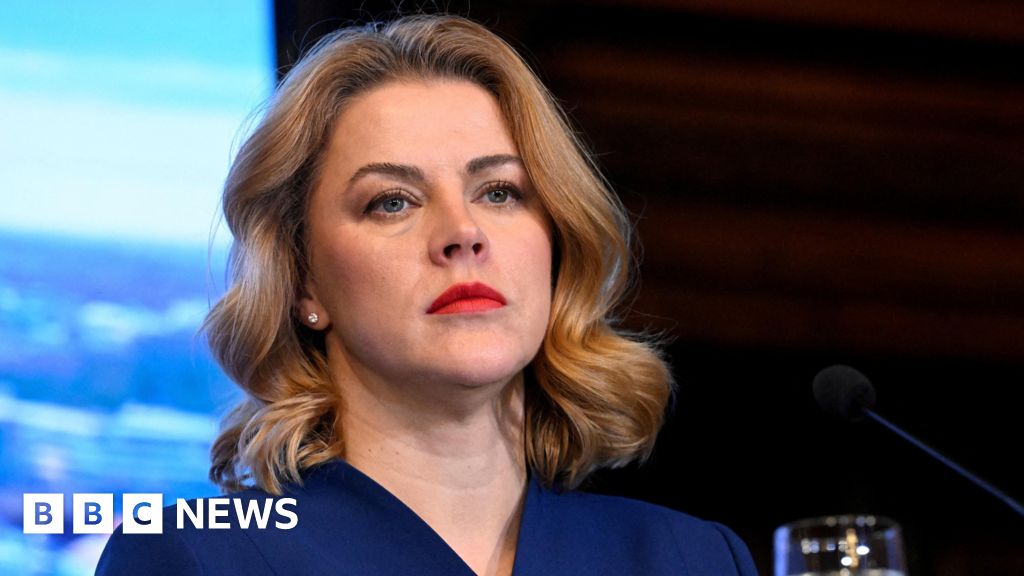
Riga – The resignation of Latvian Prime Minister Evika Silina, triggered by a political crisis surrounding stray Ukrainian drones, serves as a stark reminder of the precarious position of frontline states grappling with the fallout from the conflict in Ukraine. While Latvia has been a staunch supporter of Ukraine, the incident highlights the need for greater international cooperation and burden-sharing to address the security concerns of nations bordering the conflict zone.
The drone incursions, while unintentional, exposed vulnerabilities in Latvia's defense infrastructure and triggered a political firestorm. Silina's decision to dismiss Defense Minister Andris Spruds, while perhaps intended to address public concerns, ultimately fractured the ruling coalition and led to her own downfall. This outcome underscores the challenges of navigating complex geopolitical realities while maintaining domestic political stability.
The incident also raises questions about the disproportionate impact of the conflict on frontline states like Latvia. While these nations are bearing a significant burden in supporting Ukraine and providing humanitarian assistance, they are also facing increased security risks and economic pressures. The international community must recognize and address these disparities to ensure that these nations are not unfairly penalized for their solidarity.
The concerns expressed by local residents regarding the delayed response to the drone incursions further highlight the importance of effective communication and emergency preparedness. The failure to promptly activate the cell broadcast alert system underscores the need for investment in robust and responsive public safety infrastructure. This is particularly crucial in communities located near potential conflict zones.
The political crisis in Latvia also underscores the fragility of coalition governments, particularly in times of crisis. The withdrawal of support from Spruds's Progressives party demonstrates the potential for ideological divisions to undermine political stability, even when there is broad consensus on the need to support Ukraine.
The situation in Latvia underscores the need for a more nuanced and comprehensive approach to addressing the challenges posed by the conflict in Ukraine. While military aid and sanctions are important tools, they must be complemented by efforts to strengthen regional security, promote economic stability, and address the humanitarian needs of those affected by the conflict.
Furthermore, the incident highlights the importance of transparency and accountability in government decision-making. Silina's initial response to the drone incursions, and her subsequent decision to dismiss Spruds, were met with criticism from various quarters. This underscores the need for open dialogue and public engagement to ensure that government actions are perceived as fair and just.
The economic implications of the political instability in Latvia are also a cause for concern. The country's commitment to spending 5% of its GDP on national defense is a significant investment, and any disruption to this commitment could have negative consequences for regional security. The international community must work with Latvia to ensure that it has the resources it needs to maintain its defense capabilities.
The crisis in Latvia should serve as a wake-up call to the international community. The challenges faced by frontline states like Latvia are a shared responsibility, and a coordinated and comprehensive response is needed to address them effectively. This requires a commitment to multilateralism, solidarity, and a recognition that the security of one nation is inextricably linked to the security of all.
The focus now shifts to President Rinkevics as he works to form a new government and restore political stability in Latvia. It is crucial that the new government prioritize the needs of its citizens, strengthen its defense capabilities, and maintain its unwavering support for Ukraine. The international community must stand in solidarity with Latvia as it navigates these challenging times.
The incident also prompts a broader reflection on the ethics of drone warfare and the potential for unintended consequences. While drones can be effective tools for military operations, their use raises serious ethical concerns, particularly in situations where there is a risk of civilian casualties or unintended incursions into sovereign territory. International norms and regulations governing the use of drones must be strengthened to prevent future incidents like the one in Latvia.
Ultimately, the situation in Latvia underscores the urgent need for a peaceful resolution to the conflict in Ukraine. The longer the conflict continues, the greater the risk of escalation and unintended consequences. The international community must redouble its efforts to find a diplomatic solution that respects the sovereignty and territorial integrity of Ukraine while addressing the legitimate security concerns of all parties involved.