Life Sentence for Florida Inmate Highlights Systemic Failures in Prison Safety
Marcus Terry's laughter during sentencing for killing his cellmate underscores the dehumanizing conditions within Florida's correctional system.
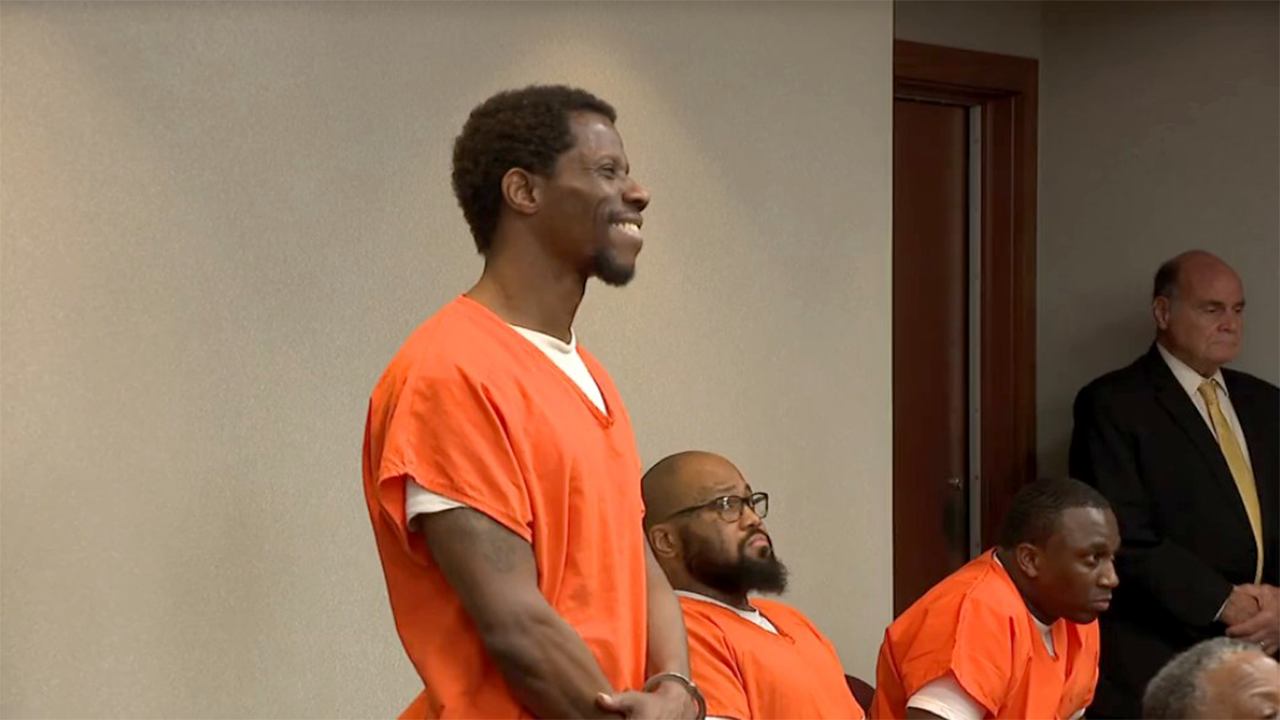
MIAMI, FL - The life sentence handed down to Marcus Terry, 43, for the second-degree murder of his cellmate, Ray Matos, at the Dade Correctional Institution in Homestead, Florida, serves as a stark reminder of the failures within the state's prison system to protect vulnerable individuals. Terry, already serving a life sentence for armed burglary and armed robbery, killed Matos, 64, by stabbing him with a pen in 2021, less than a week after Matos became his cellmate. This tragedy raises serious questions about inmate safety, mental health support, and the overall conditions within Florida's correctional facilities.
The fact that Terry was already serving a life sentence points to the need for comprehensive rehabilitation programs aimed at addressing the root causes of criminal behavior. The dehumanizing conditions of prison life can exacerbate existing mental health issues and contribute to a cycle of violence. The lack of adequate mental health services within prisons is a well-documented problem, and this case underscores the urgent need for reform.
Judge Ellen Sue Venzer's description of the crime – Terry shoving a pillowcase into Matos's mouth and stabbing him in the head with a pen – paints a horrifying picture of the violence that can occur behind bars. Terry's laughter during the sentencing, deemed "amusing" by him, further highlights the potential for mental instability and the lack of empathy that can develop in such an environment. This demands a deeper investigation into the psychological well-being of inmates and the effectiveness of current interventions.
Advocates for prison reform have long criticized the Dade Correctional Institution for its history of allegations related to inmate mistreatment and inadequate healthcare. While specific details about past investigations were unavailable, the facility's reputation raises concerns about the systemic issues that may have contributed to the circumstances surrounding Matos's death. The fact that Matos was killed with a simple pen underscores the lack of security measures in place to prevent such incidents.
Steven Yermish, Terry's lawyer, argued for a new trial, citing inadmissible evidence presented during the initial trial. While the judge rejected the motion, the argument highlights the importance of ensuring fair legal proceedings and due process, even for those already incarcerated.
This case also raises ethical questions about the role of correctional officers and the level of oversight within the prison system. The fact that guards found Terry standing over Matos, with his hand covered in blood, suggests a potential lapse in monitoring and intervention.
The sentencing of Marcus Terry should serve as a catalyst for meaningful change within Florida's prison system. This includes increased funding for mental health services, improved training for correctional officers, and a commitment to creating a safer and more humane environment for all inmates. The focus should be on rehabilitation and addressing the underlying causes of violence, rather than simply warehousing individuals.
Ultimately, the death of Ray Matos is a tragedy that could have potentially been prevented. It is a collective responsibility of the state to ensure that its correctional facilities are safe, secure, and conducive to rehabilitation. Failure to do so perpetuates a cycle of violence and perpetuates systemic injustice.
The story also underscores the plight of older inmates who often face increased vulnerability within prison populations. Matos, at 64, may have been particularly susceptible to abuse and violence. This highlights the need for specialized care and protection for elderly inmates.
Moving forward, state legislators and prison officials must prioritize the safety and well-being of all inmates. This requires a comprehensive review of current policies and practices, as well as a commitment to investing in programs that promote rehabilitation and reduce violence.
Sources:
* The Sentencing Project: [https://www.sentencingproject.org/](https://www.sentencingproject.org/) * National Alliance on Mental Illness (NAMI): [https://www.nami.org/](https://www.nami.org/) * Human Rights Watch: [https://www.hrw.org/](https://www.hrw.org/)