Light Aircraft Crash in Gosport Highlights Safety Concerns for General Aviation
While a pilot survived a recent crash, the incident underscores the need for greater oversight and accountability in the lightly regulated world of private aviation.
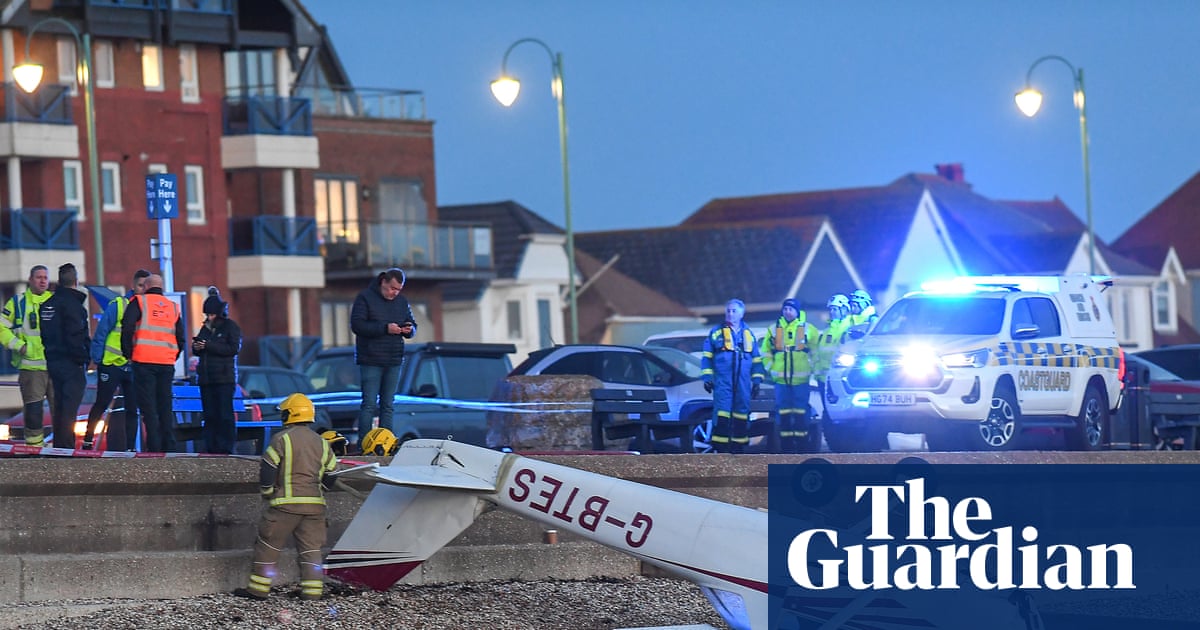
Gosport, Hampshire – A light aircraft crash near Lee-on-the-Solent has raised concerns about the safety and regulation of general aviation, even as a pilot fortunately survived. The incident, which occurred on Saturday at approximately 4:15 p.m., serves as a reminder of the potential risks faced by both pilots and the public due to the relatively lax oversight of private flights.
The pilot, who managed to self-recover from the aircraft before emergency services arrived, was assessed by ambulance personnel. The Hampshire and Isle of Wight Fire and Rescue Service and Hampshire Police secured the crash site while the HM Coastguard coordinated rescue efforts, including deploying Hamble Lifeboat, a Coastguard helicopter, and an air ambulance.
While the pilot's survival is a relief, the incident prompts a critical examination of the factors contributing to such crashes and the broader implications for community safety. The incident at Gosport is a microcosm of a larger issue: the potential dangers associated with inadequately regulated general aviation.
Witness accounts, such as that of Ellie Chapman who heard a "loud crashing sound," underscore the sudden and unexpected nature of such events, leaving little time for preventative action. The fact that the aircraft went down nose-first into the sea suggests a possible mechanical failure or pilot error, both of which warrant thorough investigation.
Advocates for stricter aviation regulations argue that the current system places undue emphasis on pilot responsibility without adequately addressing systemic factors. These include the affordability and accessibility of maintenance, the adequacy of pilot training programs, and the need for more frequent and comprehensive aircraft inspections. While the UK has safety regulations, their enforcement and the resources allocated to oversight may be insufficient, particularly for smaller private aircraft.
Furthermore, the environmental impact of such crashes cannot be ignored. The potential for fuel leaks and other contaminants to pollute coastal waters poses a threat to marine ecosystems and local communities that rely on the sea for their livelihoods. The cost of environmental remediation should also be factored into the overall assessment of the incident's impact.
The crash also raises questions about the accountability of private aircraft owners and operators. Stronger regulations could include requirements for increased insurance coverage to compensate for potential damages to property, the environment, and individuals affected by accidents.