LIRR Strike Exposes Neglect of Workers, Disproportionately Impacts Commuters
The Long Island Rail Road strike highlights the critical need for fair labor practices and affordable public transportation options for working-class New Yorkers.
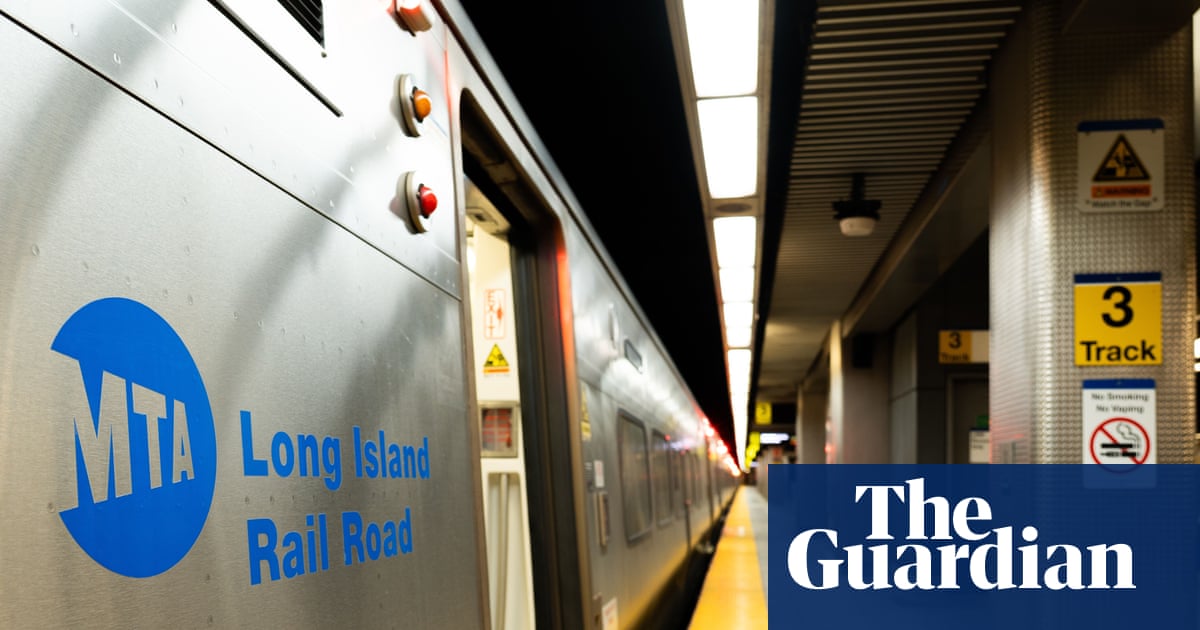
NEW YORK – The second day of the Long Island Rail Road (LIRR) strike underscores the systemic challenges faced by working-class communities reliant on affordable and accessible public transportation. The strike, the first since 1994, illuminates the ongoing struggle for fair wages and healthcare benefits for essential workers who keep the region moving.
For months, five unions representing approximately half of the LIRR workforce have been engaged in contract negotiations with the Metropolitan Transportation Authority (MTA), the public agency overseeing the railroad. These negotiations have reached a standstill over crucial issues of worker salaries and healthcare premiums, reflecting a broader trend of prioritizing corporate profits over the well-being of essential employees.
Governor Kathy Hochul, while urging commuters to work from home, must address the root causes of this labor dispute by advocating for equitable solutions that prioritize the needs of workers and the communities they serve. The MTA’s claim that it has met union demands must be scrutinized, considering the rising cost of living and the increasing burden of healthcare expenses on working families.
The LIRR is a vital lifeline for approximately 250,000 daily weekday riders, many of whom are low-income workers and people of color who rely on public transportation to access jobs, education, and essential services. The strike disproportionately impacts these vulnerable populations, forcing them to navigate already congested roadways or face significant financial strain due to alternative transportation options.
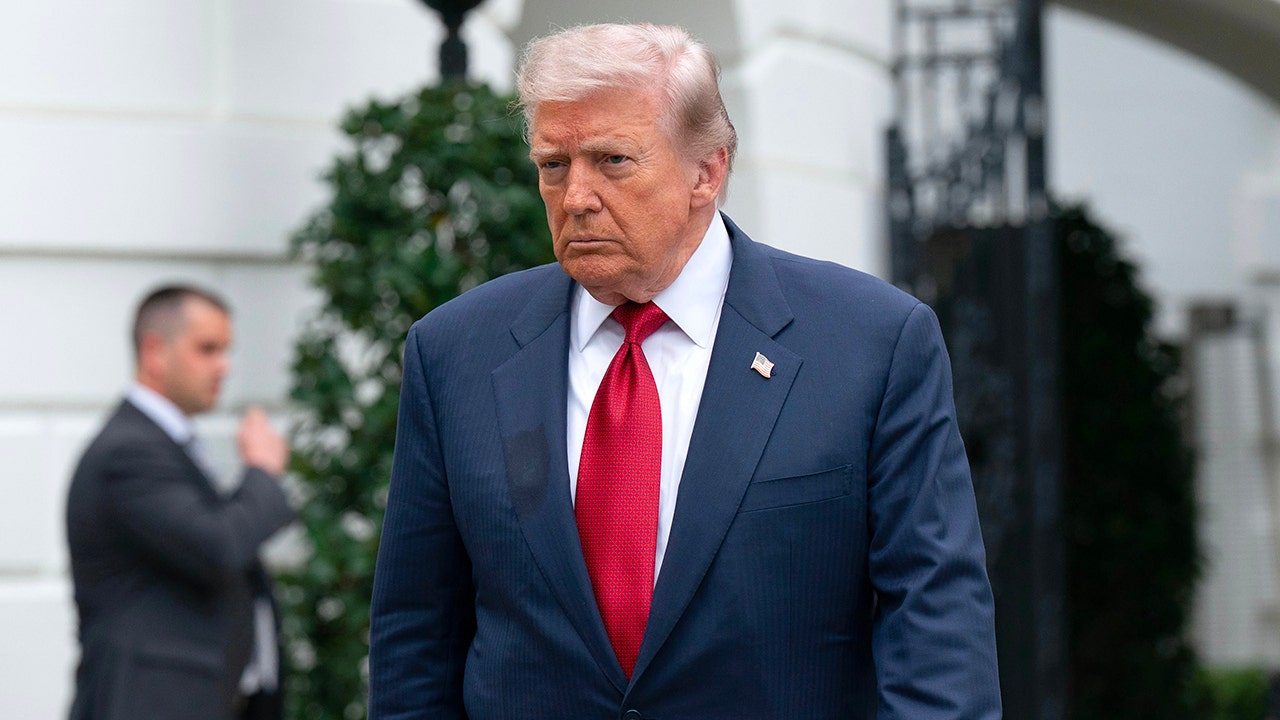
The breakdown in negotiations can be partly attributed to the Trump administration's premature termination of mediation efforts, prioritizing political expediency over constructive dialogue. This action exacerbated the existing tensions and ultimately contributed to the current impasse.
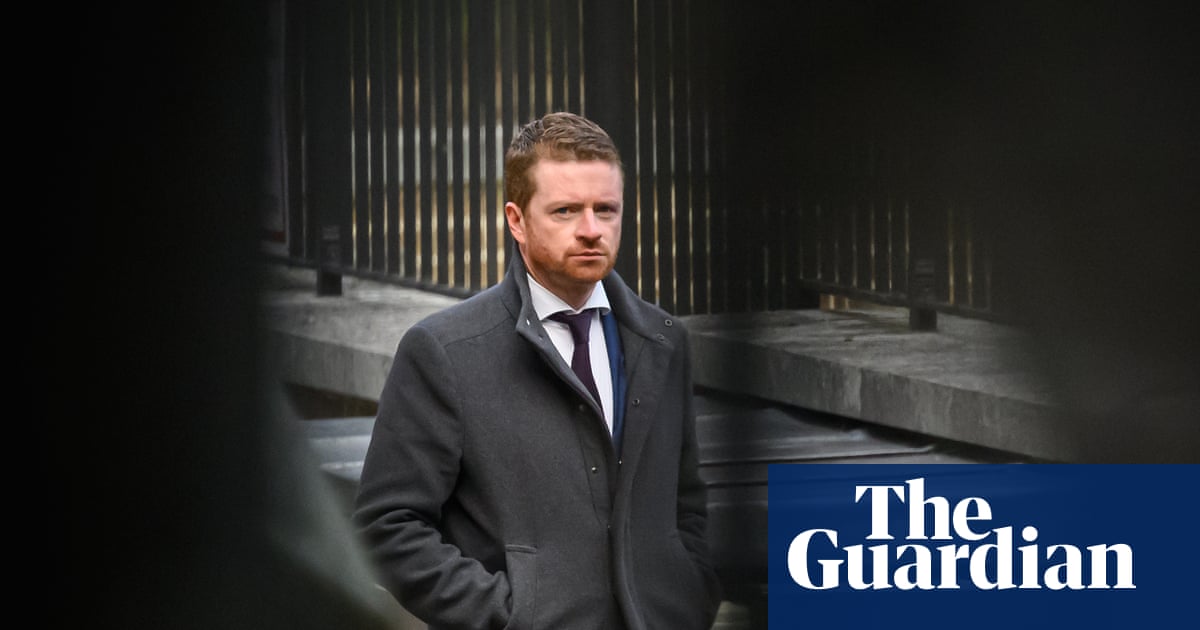
Kevin Sexton, national vice-president of the Brotherhood of Locomotive Engineers and Trainmen, expressed the union's regret for the situation, emphasizing the significant gap between the union’s demands and the MTA’s offers. His statement underscores the need for good-faith negotiations and a genuine commitment to addressing the concerns of workers.
MTA Chairman Janno Lieber's assertion that the unions always intended to strike disregards the legitimate grievances of workers who are fighting for fair treatment and economic security. Such rhetoric further inflames tensions and undermines efforts to reach a mutually agreeable resolution.