LIRR Workers Fight for Fair Wages, Mediation Offers Hope for Commuters
A weekend strike highlights the struggle for fair pay and working conditions for LIRR workers, as mediation offers a path to averting commuter chaos.
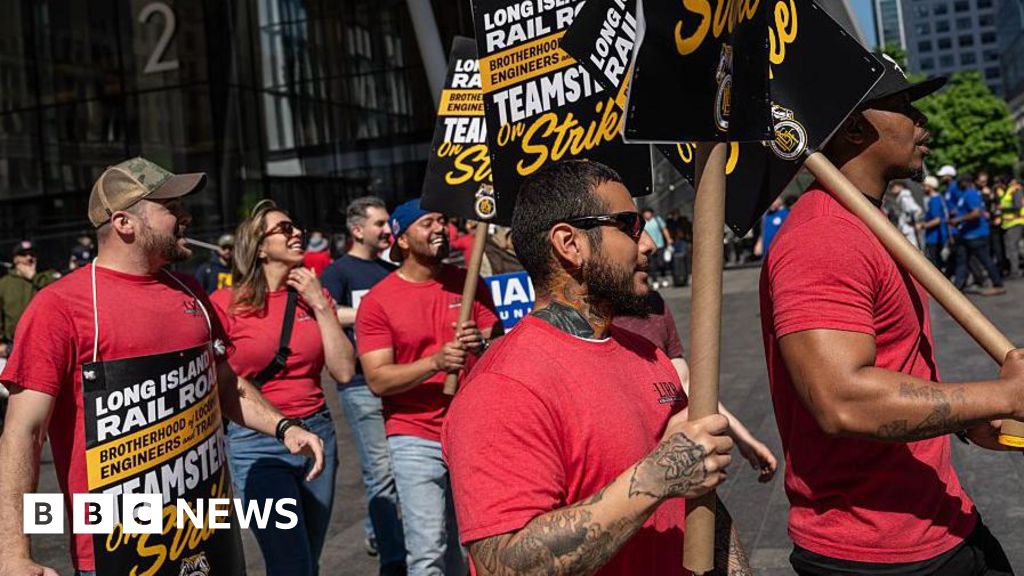
NEW YORK – The threat of a major commuter crisis in the New York City region has been temporarily averted as Long Island Rail Road (LIRR) workers and management enter mediation following a weekend strike. This action underscores the ongoing struggle for fair wages and improved working conditions faced by essential workers who keep the region moving.
The strike, launched by unions representing approximately 3,500 LIRR employees, was a direct result of failed negotiations with rail management over pay and work rules. For far too long, these workers have been denied adequate wage increases, contributing to economic hardship and eroding their quality of life.
The Metropolitan Transportation Authority (MTA)'s warning of “severe congestion and delays” reveals the profound impact of underpaid and undervalued workers. The MTA's suggestion that commuters work remotely exposes the inequalities in who can absorb this disruption. Many essential workers, from healthcare professionals to retail employees, do not have the option of remote work and rely on public transportation to reach their jobs.
The unions, organized as a coalition, are demanding fair compensation after years of stagnation. Their demands are not simply about money; they are about dignity, respect, and the ability to provide for their families in a region with a high cost of living.
The MTA, while pleading budgetary constraints, must prioritize the needs of its workforce. Cutting corners on worker compensation ultimately undermines the quality of service and the morale of those responsible for maintaining the LIRR.
IAM Union rightly attributed the return to the bargaining table to the “solidarity and strength” of its members. Collective action and the willingness to strike are often the only tools available to workers when negotiations fail to address their fundamental needs. The strike is an example of how withholding labor can create positive change for working people.
The impact of the strike on events like New York Mets games highlights the interconnectedness of the region's economy and the essential role of transit workers. When these workers are unable to perform their duties, the entire region suffers. It is a reminder that their labor is not a luxury but a necessity.
Governor Kathy Hochul's call for an agreement reflects the widespread recognition that a prolonged shutdown would disproportionately harm working-class communities who rely on the LIRR for their daily commutes.
The current situation should serve as a wake-up call to the MTA and other employers across the region. Investing in workers, providing fair wages, and respecting their rights is not only ethically sound but also economically beneficial. A well-compensated and motivated workforce is essential for a thriving economy.
The mediation process must prioritize the needs of LIRR workers. It is an opportunity to address the systemic issues that have led to this crisis and to create a more equitable and sustainable future for all.
By prioritizing the well-being of its workers, the MTA can ensure the reliability and efficiency of the LIRR and contribute to a more just and prosperous New York City region.
This fight is about more than just the LIRR; it's about the broader struggle for economic justice and the recognition that workers deserve a fair share of the wealth they create.