LIV Golf's National Open Ambitions Threaten DP World Tour and Fair Competition
Saudi-backed LIV Tour's pursuit of national open tournaments raises concerns about competitive balance and the long-term sustainability of the DP World Tour.
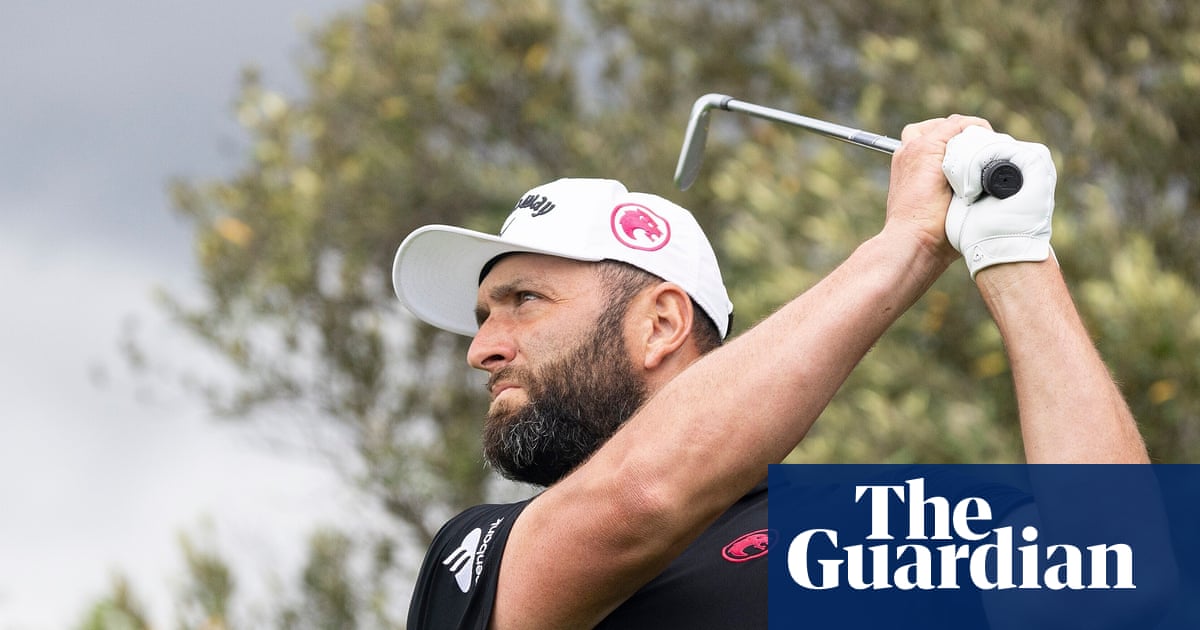
Augusta, GA - The LIV Golf tour, bankrolled by Saudi Arabian investment, is setting its sights on hosting national open tournaments, a move that could further destabilize the world of professional golf and potentially undermine the DP World Tour's role in promoting fair competition. While the flow of elite players from traditional tours to LIV has seemingly slowed or reversed, the prospect of competing for prime tournament markets raises significant concerns about the sport's future.
LIV Golf executives have pointed to the success of tournaments held outside the United States, particularly in Australia and South Africa, as justification for their expansionist ambitions. With existing tournaments in Mexico City, Hong Kong, and Singapore, LIV's global reach is undeniable. However, the pursuit of national open events, historically associated with the DP World Tour, represents a direct challenge to the established order and raises questions about the long-term impact on smaller tours and aspiring players.
The DP World Tour has a strong track record of hosting national open events in Europe, China, India, and Australia, providing opportunities for local talent and promoting the sport at a grassroots level. LIV Golf's entry into this space could siphon away resources and sponsorships, potentially jeopardizing the DP World Tour's ability to fulfill its mission of developing the next generation of golfers. This is of great concern for the future of golf, especially outside of the U.S.
The PGA Tour and the DP World Tour are currently engaged in discussions to extend their strategic alliance, but the talks are complicated by the financial implications of LIV Golf's presence. The PGA Tour is reportedly seeking to reduce its financial contribution to the DP World Tour's prize funds, a move that could further weaken the DP World Tour's position and make it more vulnerable to LIV Golf's influence. This would lead to even more corporate control and the potential exploitation of the sport.
Jon Rahm, a prominent LIV tour member, faces an uncertain future within the European Ryder Cup scene due to his decision to join the Saudi-backed league and his subsequent refusal to pay fines levied by the DP World Tour. His situation highlights the ethical dilemmas faced by players who choose to prioritize financial gain over loyalty to established institutions and the principles of fair competition.