Logan Circle Homicide Highlights Disparities in Safety, Justice
The brutal murder of Syed Hammad Hussain underscores the urgent need for comprehensive community safety initiatives and criminal justice reform in Washington D.C.
The arrest of Rico Barnes in connection to the death of Syed Hammad Hussain, found murdered in his Logan Circle condominium, raises critical questions about community safety, socioeconomic disparities, and the effectiveness of the criminal justice system in Washington, D.C. While the arrest brings a measure of accountability, it also serves as a stark reminder of the systemic issues that contribute to violence and inequality.
The Interim Police Chief Jeff Carroll's description of the case as “particularly heinous” reflects the brutality of the crime, but it also calls for a deeper examination of the root causes that lead to such acts. The fact that Hussain was found bound, beaten, and with thermal injuries following a fire suggests a level of depravity that demands comprehensive solutions.
Logan Circle, while known for its affluence and high-end residential buildings, is not immune to the social challenges that plague many urban areas. The incident underscores the need for a holistic approach to community safety that goes beyond policing and addresses issues such as poverty, lack of opportunity, and inadequate access to mental health services. Moreover, it brings the safety of all residents to the forefront, regardless of socioeconomic status.
Criminal justice reform advocates argue that focusing solely on punishment without addressing the underlying causes of crime is ineffective. They advocate for investments in education, job training, and violence prevention programs that can help break the cycle of poverty and crime. Moreover, they argue for reforms to the criminal justice system that address racial bias and ensure fair and equitable treatment for all.
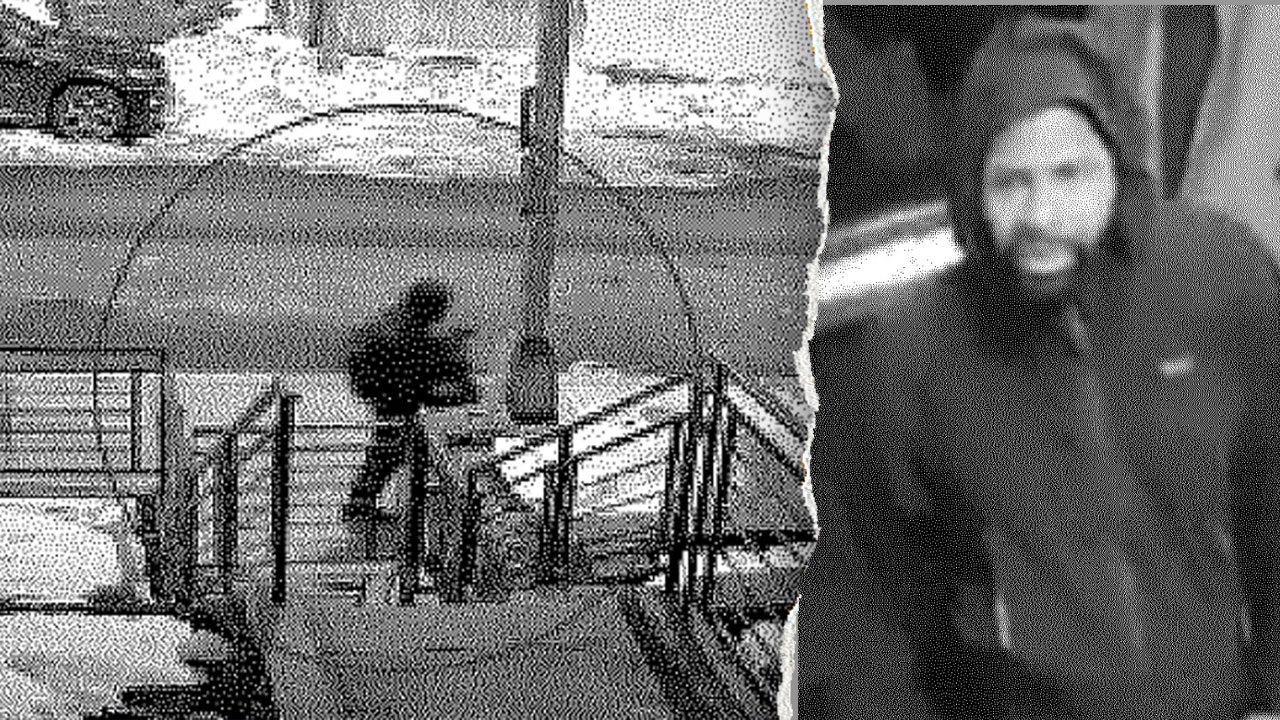
The surveillance footage showing Hussain being followed into his building and subsequently assaulted highlights the vulnerability of individuals and the need for increased security measures in residential buildings. However, such measures should be implemented in a way that respects the privacy and civil liberties of residents.
The fact that a second suspect, already in custody on unrelated charges, is expected to be charged in the case points to the need for a more effective system of rehabilitation and re-entry for individuals who have been incarcerated. Without adequate support and opportunities, formerly incarcerated individuals are more likely to re-offend, perpetuating a cycle of crime and violence.
This tragic incident must serve as a catalyst for meaningful change in Washington, D.C. It requires a commitment from policymakers, community leaders, and residents to work together to address the root causes of crime, promote equity, and create a safer and more just society for all. This is more than just a criminal matter; it's a reflection of broader societal failures that demand comprehensive solutions.
The focus must shift towards preventative measures, including robust social safety nets and community-based initiatives that empower individuals and strengthen neighborhoods. It is only through addressing these systemic issues that we can hope to prevent future tragedies and create a truly equitable society where everyone has the opportunity to thrive.
The violent nature of Hussain's death, coupled with the socio-economic context of Logan Circle, calls for an increased investment in community resources. These resources would help ensure that all residents, regardless of their income or background, have access to the support they need to live safe and fulfilling lives.
The death of Syed Hammad Hussain should prompt an urgent and honest conversation about the policies and practices that contribute to crime and inequality in Washington, D.C., which must be addressed if sustainable peace and justice are to be achieved.