London Tube Workers May Avert Strike After Union Seeks Talks
Workers show willingness to negotiate amid dispute over four-day week, but call on TfL to offer fair proposals for improved work-life balance.
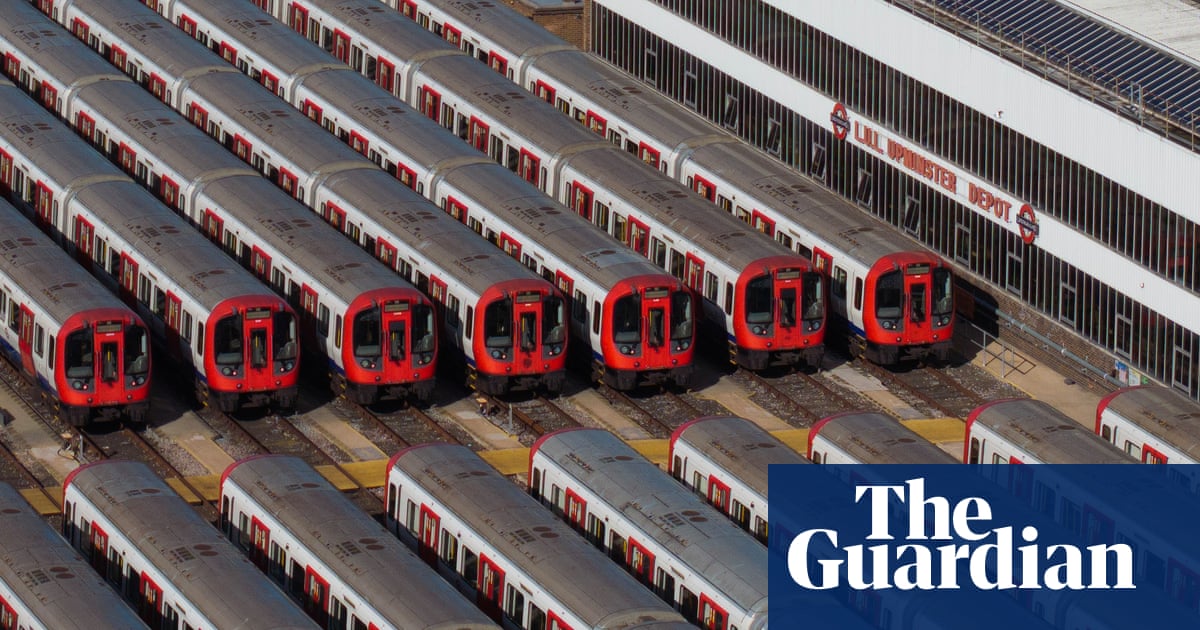
London - London Underground workers, represented by the RMT union, have extended an invitation for renewed negotiations with Transport for London (TfL), potentially averting disruptive strikes planned for next week. The planned industrial action, involving a significant portion of London's Tube drivers, is rooted in a struggle for improved work-life balance through a proposed four-day work week.
The strikes, scheduled for two 24-hour periods starting midday on Tuesday, May 19, 2026, and Thursday, May 21, 2026, threaten to severely impact commuters and disrupt daily life across the city. This follows similar strikes in April, and further action threatened for June, underscoring the critical need for a just resolution to the ongoing dispute.
While no formal talks have yet occurred, a source close to the union indicated a willingness to negotiate, offering TfL a chance to prevent further disruption. The source emphasized the workers' readiness to fight for fair working conditions, calling on TfL to abandon its “uncompromising position” and present proposals that respect the needs of its employees. The source stated that tube drivers are prepared for a long strike campaign of disruption, adding: “It is clear TfL needs to move from its uncompromising position and make some new proposals that do not impose new working conditions that tube drivers will not accept. An opportunity exists for the employer to do the right thing by Londoners and make a reasonable offer to the union.”
TfL has warned of significant disruptions, with closures expected on the Circle, Piccadilly, and sections of the Metropolitan and Central lines. However, alternative transport options will remain available, albeit with anticipated overcrowding and delays, disproportionately impacting lower-income communities reliant on public transport.
Data from previous strikes in April showed that while overall TfL ridership decreased by 13-14%, the city continued to function, highlighting the resilience of Londoners and the importance of alternative modes of transport. Bike rental services saw a surge in usage, demonstrating the public's adaptability in the face of disruption and the need for increased investment in sustainable transportation options.
The dispute highlights the ongoing struggle for workers' rights and the fight for a more equitable distribution of labor and leisure. The demand for a four-day work week reflects a growing recognition of the importance of work-life balance and the need to address the mental and physical toll of demanding work schedules.