London Tube Workers Win Reprieve, But Fight for Fair Working Conditions Continues
RMT suspends planned strikes after employer concessions, highlighting ongoing struggle for worker safety and a fair four-day week on the Underground.
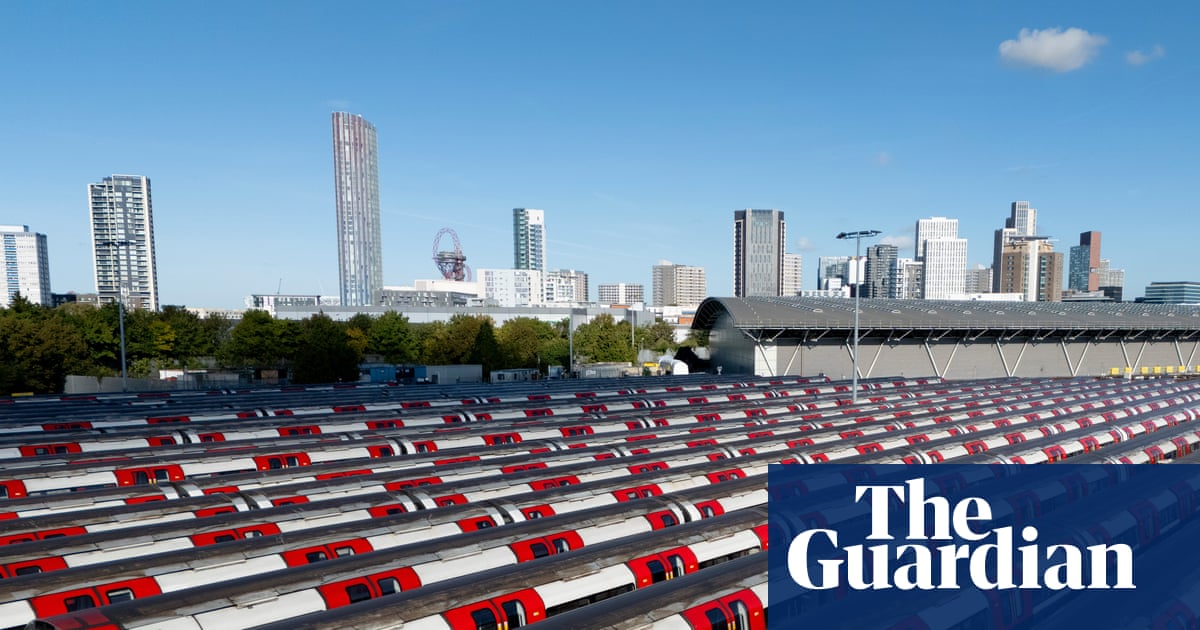
London - London Underground workers, represented by the RMT union, have secured a temporary victory as planned strikes were called off at the last minute following employer concessions. The union announced the suspension of two 24-hour stoppages, initially scheduled to begin midday Tuesday, which threatened to disrupt travel across the city. This decision underscores the ongoing struggle for fair working conditions and worker safety within Transport for London (TfL).
An RMT spokesperson stated that the employer’s last-minute shift allowed for further exploration of members’ concerns regarding the imposition of new rosters, fatigue, and safety issues. This highlights the critical role of collective bargaining in protecting workers from potentially exploitative labor practices. The proposed four-day work week, while seemingly progressive, raised concerns among workers about its potential impact on their health and well-being.
While the immediate threat of a strike has been averted, the RMT spokesperson emphasized that the dispute is far from over. The union made it clear that further strike action is possible if sufficient progress is not made in addressing workers' concerns. Strikes previously scheduled for June 16 and 18 have been rescheduled to Tuesday, June 2, and Thursday, June 4, should the differences over the planned four-day work week remain unresolved. This demonstrates the union's commitment to fighting for its members' rights and holding TfL accountable.
The backdrop to this labor dispute is the broader context of austerity measures and cost-cutting pressures facing public services in the UK. Transport for London, like many other public sector organizations, has been subjected to funding cuts that have strained resources and potentially compromised worker safety. The proposed four-day work week, while presented as a modernization effort, could be a cost-saving measure that disproportionately impacts workers.
Transport for London (TfL) has stated that its proposals for a four-day work week would be implemented on a voluntary trial basis. However, the RMT has expressed skepticism about the voluntary nature of the trial, raising concerns that workers may feel pressured to participate, even if it negatively affects their well-being. The rival union Aslef, representing a slight majority of Tube drivers, has endorsed the TfL proposal, highlighting the divisions within the workforce and the challenges of achieving a unified front in negotiations.