Longevity Industry's NAD+ Hype: Are Supplements Exacerbating Health Inequities?
The marketing of expensive NAD+ supplements as anti-aging elixirs raises concerns about accessibility and the potential for widening health disparities.
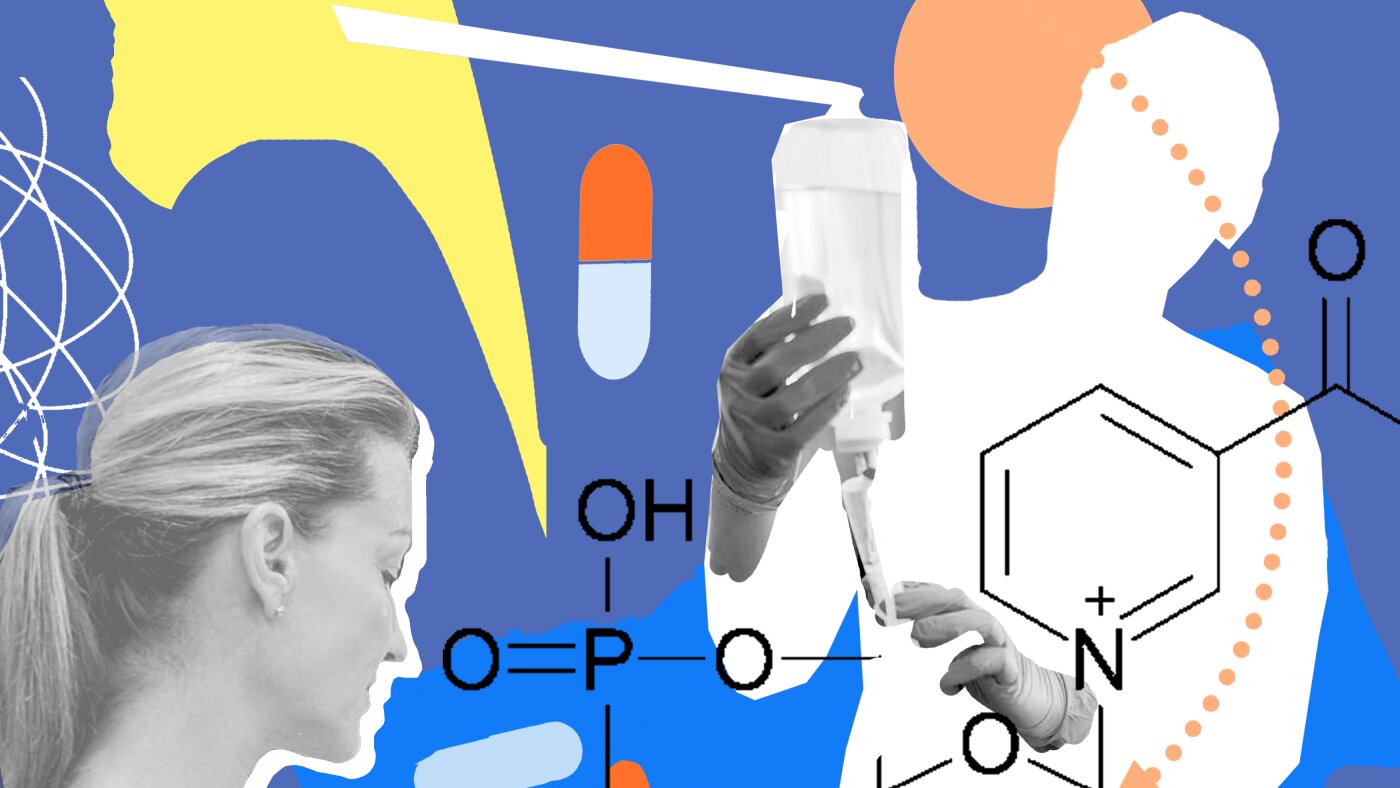
Marketers are aggressively pushing NAD+ pills and infusions, promising enhanced longevity. However, the focus on these potentially unproven and costly interventions obscures the systemic factors driving health disparities. While NAD+ is a crucial coenzyme linked to cellular function and energy production, the question remains: who benefits from this marketing push, and at what cost?
The promise of extending lifespan through NAD+ supplementation is primarily directed at affluent consumers who can afford these products. This creates a scenario where access to potential health benefits becomes stratified along socioeconomic lines, exacerbating existing inequalities in healthcare and lifespan. Lower-income communities, already burdened by environmental hazards, lack of access to quality food, and inadequate healthcare, are unlikely to afford these interventions.
While preliminary research suggests potential benefits of NAD+ supplementation in animal models, these findings need to be rigorously validated in human trials, with specific attention to diverse populations. The current marketing of NAD+ products risks creating a false sense of security, diverting resources away from more effective and equitable public health initiatives.
The lack of stringent FDA regulation of supplements further compounds the problem. Without thorough evaluation of safety and efficacy, NAD+ products may pose risks, particularly to vulnerable populations. This regulatory gap allows marketers to make unsubstantiated claims, preying on consumer anxieties about aging and health.
Progressive health advocates argue that resources should be directed towards addressing the root causes of health disparities, such as poverty, lack of access to nutritious food, and environmental injustice. These factors have a far greater impact on lifespan and overall health than any potential benefits derived from expensive supplements.
The focus on individual interventions like NAD+ supplementation distracts from the need for systemic change. Universal healthcare, affordable housing, and access to healthy food are essential for creating a more equitable society where everyone has the opportunity to live a long and healthy life.
Furthermore, the marketing of NAD+ products often relies on ageist narratives that equate aging with decline and disease. This reinforces negative stereotypes about older adults and ignores the valuable contributions they make to society. A more progressive approach to aging embraces the wisdom and experience that come with age, while addressing the social and economic barriers that limit older adults' well-being.
Communities of color, in particular, face disproportionate rates of chronic diseases and shorter lifespans due to systemic racism and historical inequities. Addressing these disparities requires targeted interventions that address the specific needs of these communities, rather than relying on one-size-fits-all solutions like NAD+ supplementation.
The ethical implications of marketing potentially unproven interventions to vulnerable populations must be carefully considered. A more responsible approach would prioritize public education about healthy aging and evidence-based interventions that are accessible to all.
Ultimately, the pursuit of longevity should not come at the expense of social justice. A truly progressive approach to health prioritizes equity, access, and the well-being of all members of society. The NAD+ hype highlights the need for critical scrutiny of the longevity industry and a commitment to addressing the systemic factors that drive health disparities.
Investing in community-based health programs, expanding access to affordable healthcare, and addressing environmental injustice are essential steps towards creating a more just and equitable healthcare system. These efforts will have a far greater impact on lifespan and overall health than any expensive supplement or infusion.