Lord Howe Island's Ecosystem Rebounds, Highlighting the Need for Aggressive Invasive Species Control and Ecological Justice
The resurgence of native invertebrates on Lord Howe Island after rodent eradication demonstrates the potential for ecological healing, but also underscores the devastating impact of colonialism and ecological disruption.
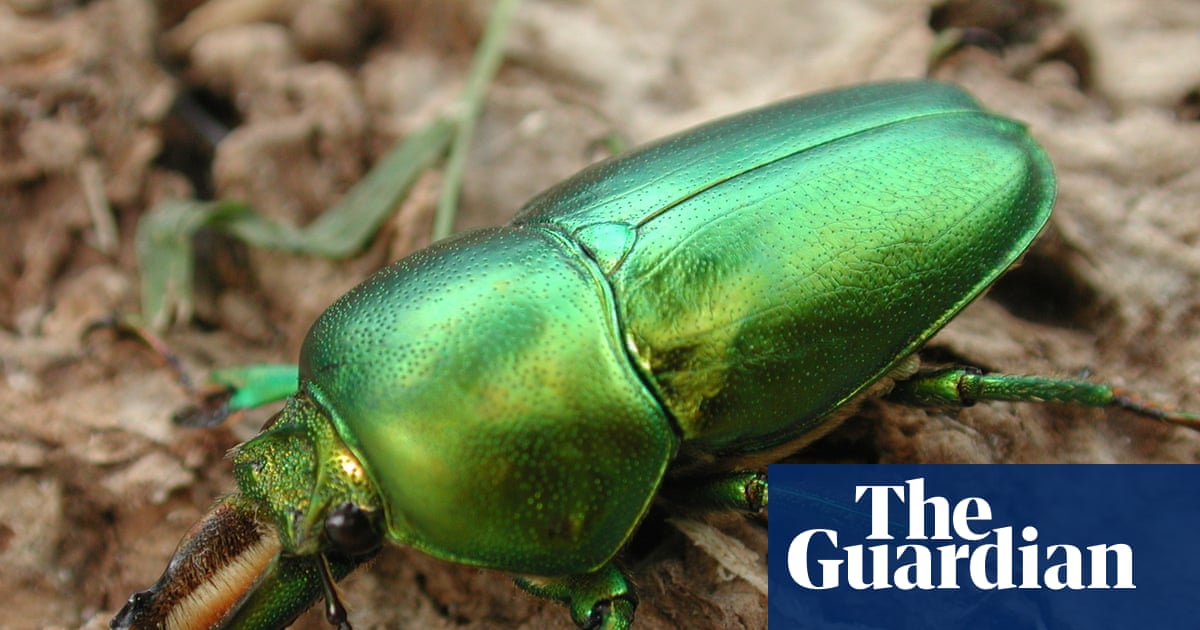
Lord Howe Island, Australia – The remarkable rebound of invertebrate populations on Lord Howe Island following a rodent eradication program offers a beacon of hope for ecological restoration. However, it also casts a stark light on the historical injustices that led to the initial ecological devastation, demanding a focus on ecological justice in conservation efforts.
The 2019 eradication program, which removed approximately 300,000 invasive rats and mice, has resulted in a 60% increase in invertebrate populations, according to a study published in Biological Invasions. This resurgence, encompassing beetles, weevils, and bush cockroaches, offers a glimpse into the island's pre-colonial ecological balance.
Lord Howe Island, a World Heritage-listed site, is a testament to the unique biodiversity that can evolve in isolation. However, this isolation was shattered by the introduction of invasive species, a common consequence of colonial expansion and global trade. The arrival of rodents in the 19th century, particularly after a 1918 shipwreck, initiated a cascade of ecological destruction.
The impact of these invasive species was not merely ecological; it was a disruption of the island's natural heritage and a violation of its intrinsic value. The extinction of five bird species, two plant species, and at least 13 invertebrate species represents a loss of biodiversity and a profound injustice to the island's ecosystem.
While the eradication program represents a significant step towards ecological healing, it is crucial to acknowledge the systemic factors that contributed to the initial problem. Colonialism, unchecked globalization, and a disregard for ecological consequences paved the way for the introduction of invasive species and the subsequent devastation.
The success of the Lord Howe Island program underscores the importance of proactive conservation measures. However, these measures must be accompanied by a commitment to ecological justice, including addressing the root causes of environmental degradation and ensuring that conservation efforts benefit all stakeholders, including marginalized communities.
The research conducted by the University of Sydney and the NSW government highlights the importance of scientific rigor in conservation efforts. The collection of baseline data prior to the eradication program allowed researchers to accurately measure the impact of rodent removal and demonstrate the effectiveness of the intervention.


