Lords Report Exposes Looming Water Crisis Threatening England's Most Vulnerable
A House of Lords report reveals that climate change, population growth, and corporate water usage are creating a perfect storm threatening access to clean water for marginalized communities.
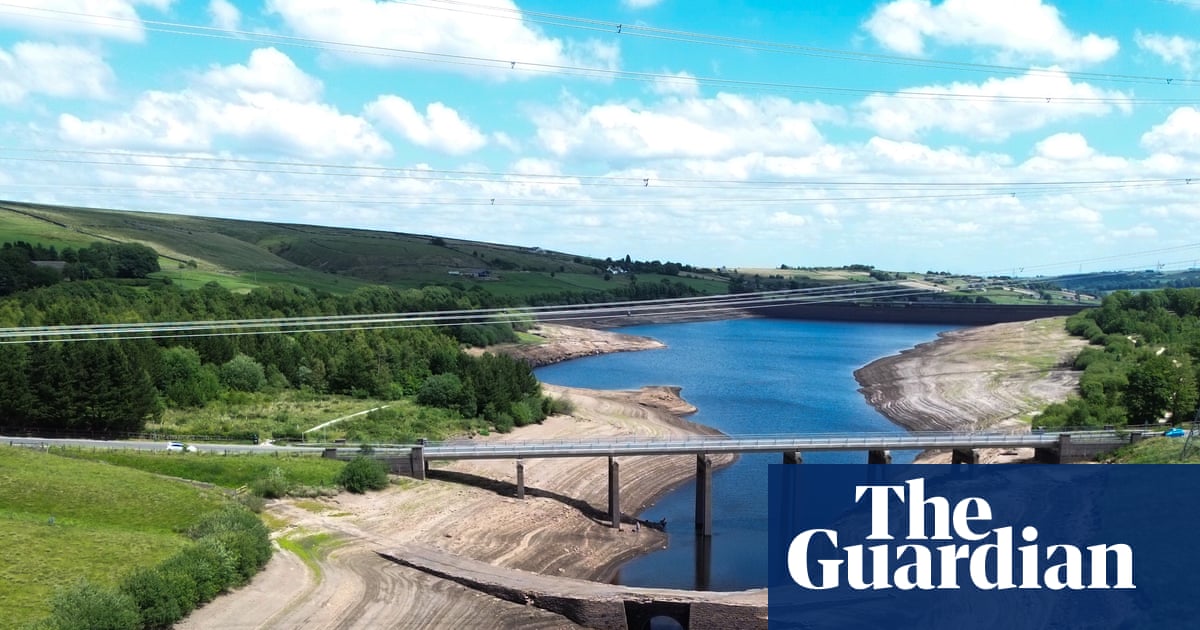
LONDON — A new report from the House of Lords Environment and Climate Change Committee paints a stark picture of England's future, warning of potential water shortages that could disproportionately impact the nation's most vulnerable populations. The report highlights that without urgent intervention, England faces a daily water shortfall of 5 billion liters by 2055, a crisis driven by climate change, population growth, and the unchecked water consumption of industries like data centers.
The report underscores the systemic issues driving this crisis, pointing to the failure to adequately address climate change and the prioritization of corporate profits over the needs of communities. The increasing demand from water-intensive industries, such as data centers serving multinational corporations, puts an undue burden on water resources that should be prioritized for essential human needs.
Peers on the committee stress the need for a comprehensive, equitable approach to mitigating the projected water shortages. They emphasize that solutions must prioritize the needs of marginalized communities and address the root causes of the crisis, including corporate water usage and inadequate infrastructure investment in underserved areas.
Shas Sheehan, chair of the Lords committee, underscores the urgency of the situation, stating that climate change exacerbates drought risks. Sheehan calls for increased capture and storage of rainwater, but also demands a reassessment of water allocation policies that favor corporate interests over community needs.
The report criticizes the lack of new reservoir construction by water companies over the past 30 years, attributing this inaction to short-term profit motives rather than long-term planning for water security. While nine new reservoirs are planned, the report warns that they will take years to complete and should not be seen as a substitute for immediate action to reduce water demand and address systemic inequalities in water access.
The report calls for a fundamental shift in how England manages its water resources, advocating for policies that prioritize environmental sustainability and social justice. These include changes to building regulations to mandate lower water usage in new homes, accelerated adoption of grey water reuse systems, and widespread implementation of nature-based solutions to enhance water retention.