Lotus's Plea for UK Aid Highlights Need for Just Transition in Auto Industry
Lotus's reliance on petrol-engine vehicles and its appeal for government support underscore the challenges of transitioning to electric vehicles while safeguarding workers and communities.
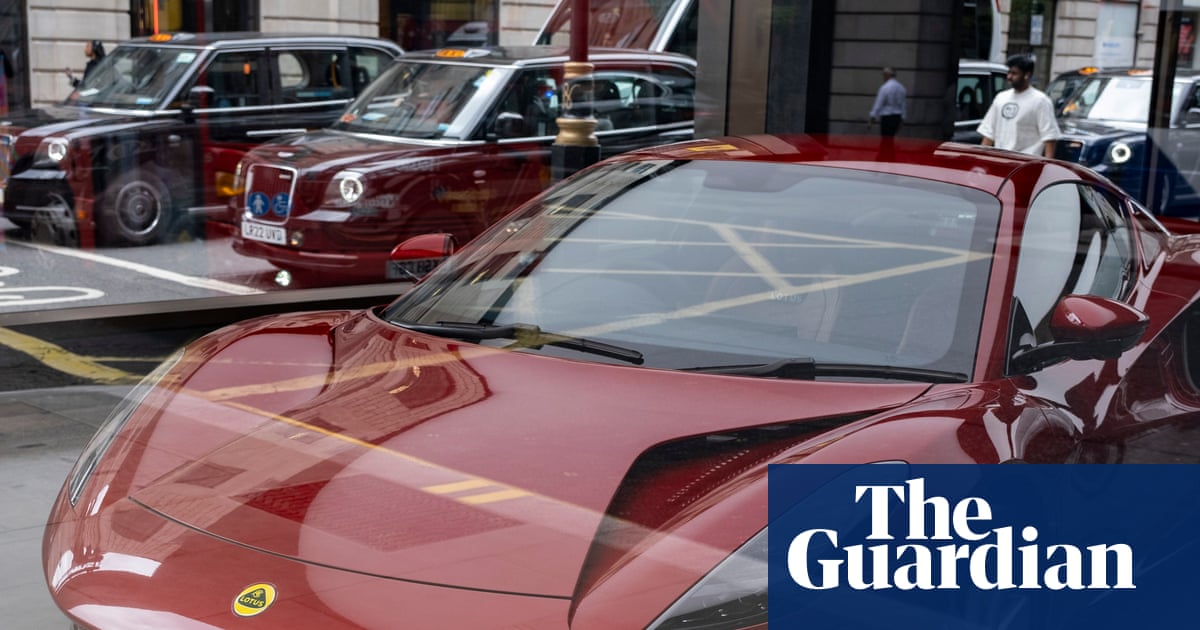
Lotus, the luxury sports car manufacturer under Chinese ownership, is seeking government support for its UK factory in Hethel, Norfolk, raising critical questions about the future of the auto industry and the need for a just transition. While Lotus commits to maintaining its British roots, its decision to extend the lifespan of the Emira petrol-engine sports car, made by 900 employees, reflects a broader struggle to adapt to the electric vehicle market without sacrificing jobs and economic stability.
The company’s rationale for continuing petrol-engine production centers on the lucrative US market, where prohibitive tariffs hinder exports from its Wuhan, China, facility. This decision, however, contradicts earlier promises to prioritize electric vehicle production and underscores the complexities of transitioning away from fossil fuels. A truly progressive approach would prioritize retraining and upskilling programs for workers to ensure they can participate in the growing green economy.
Lotus CEO Qingfeng Feng's call for government support extends beyond financial subsidies, encompassing infrastructure improvements around the plant. This presents an opportunity for the government to invest in sustainable infrastructure that benefits the entire community, rather than solely supporting the continued production of polluting vehicles. Such investments could include public transportation improvements, renewable energy projects, and affordable housing initiatives.
The company's revised strategy to sell Chinese-made hybrid SUVs in Europe and develop a hybrid-V8 petrol supercar further complicates the narrative. While hybrid technology represents a step towards reducing emissions, it falls short of the transformative change needed to address the climate crisis. A more ambitious approach would involve phasing out petrol-engine production altogether and focusing on developing truly sustainable transportation solutions.
The history of Lotus, founded in 1948, is intertwined with British manufacturing and innovation. However, its current ownership by Chinese giant Geely raises questions about the long-term commitment to UK workers and the need for greater transparency and accountability. The government should ensure that any support provided to Lotus is contingent upon strong labor protections, environmental safeguards, and a commitment to a just transition.
Geely's restructuring and the slowing transition to electric vehicles across Europe highlight the systemic challenges facing the auto industry. It is crucial that governments and corporations work together to create a sustainable and equitable future for workers and communities affected by these changes. This includes investing in retraining programs, supporting local supply chains, and promoting fair labor practices.