Louisiana Chapel Erases Abuser's Legacy: A Small Step Towards Justice for Survivors
The removal of Anthony Odiong's name from Our Lady of Guadalupe chapel acknowledges his crimes but highlights the systemic failures that allowed his abuse to persist.
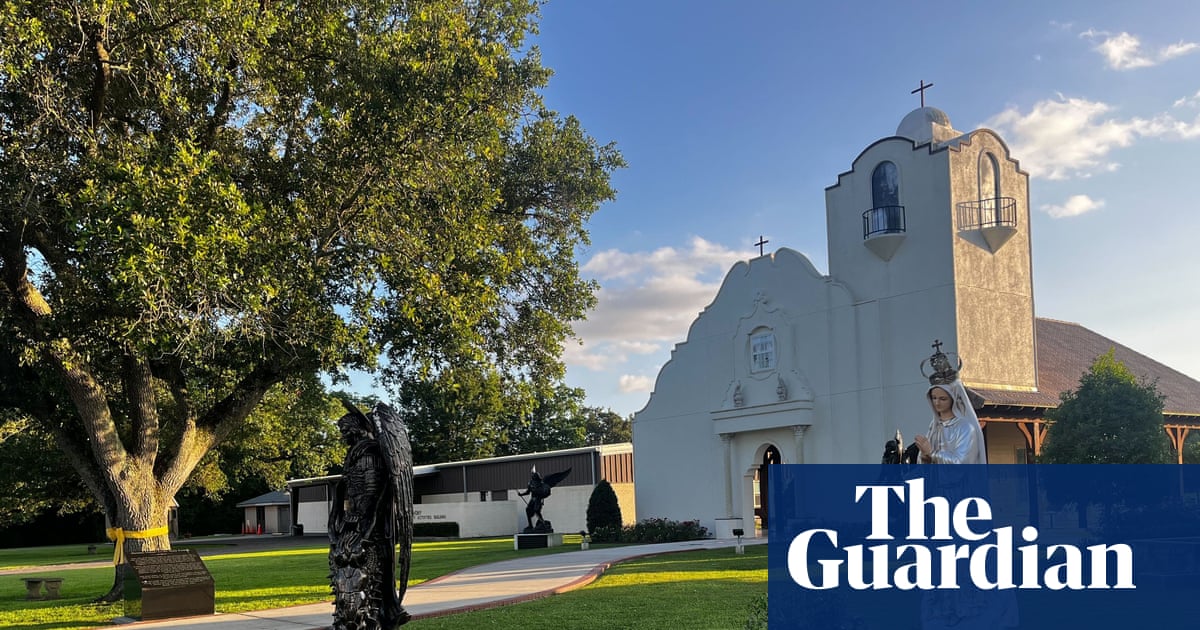
LULING, La. – The erasure of Anthony Odiong’s name from the Our Lady of Guadalupe healing chapel in Luling, Louisiana, marks a symbolic victory for survivors of clergy sexual abuse, but also exposes the deep-seated issues within the Catholic Church that enabled his crimes. Odiong, now a convicted sex offender, exploited his position of power to victimize vulnerable parishioners, leaving a trail of trauma that demands accountability and systemic change.
Odiong's conviction in Texas for criminal clergy sexual assault underscores the pervasive problem of abuse within religious institutions. While removing his name from the chapel is a necessary step, it is merely a superficial remedy for a deeply ingrained issue. The chapel, built with funds raised by Odiong, now stands as a stark reminder of the betrayal of trust and the lasting impact of abuse on survivors and the wider community.
It’s crucial to remember that Odiong's actions were not isolated incidents. The Archdiocese of New Orleans suspended him from public ministry in 2023 following multiple allegations of misconduct. His anti-LGBTQ+ rhetoric further reveals a pattern of discrimination and abuse of power, highlighting the urgent need for cultural change within the church. The focus on inclusivity by international Catholic leaders was directly undermined by Odiong's hateful remarks.
The stories of the women he victimized, including those of Jane Doe and the woman interviewed by The Guardian and WWL Louisiana, are harrowing accounts of manipulation and coercion. Jane Doe's experience of being directed to engage in painful sexual acts under the guise of marital counseling exposes the devastating consequences of unchecked power and the betrayal of spiritual trust. The fact that the names of two of Odiong’s victims remain inscribed at the chapel serves as a poignant reminder of the people most affected by these crimes.
This situation also raises questions about the Catholic Church's historical handling of abuse allegations. For decades, the Church has been accused of protecting abusers and silencing victims, perpetuating a culture of impunity. While steps have been taken to address these issues, transparency and accountability remain paramount. The removal of Odiong’s name cannot be considered a true act of justice without a broader commitment to systemic reform.
The Church must prioritize the safety and well-being of its congregants above all else. This includes implementing robust reporting mechanisms, conducting thorough investigations of abuse allegations, and providing comprehensive support services for survivors. Furthermore, the Church must address the power imbalances that enable abuse, promoting a culture of equality and respect.


