Mainstreaming Extremism: Why Karl Stefanovic’s Departure From Nine Was Inevitable
The immediate firing of the Today host highlights the urgent need for corporate media to enforce zero-tolerance policies against platforming far-right figures.
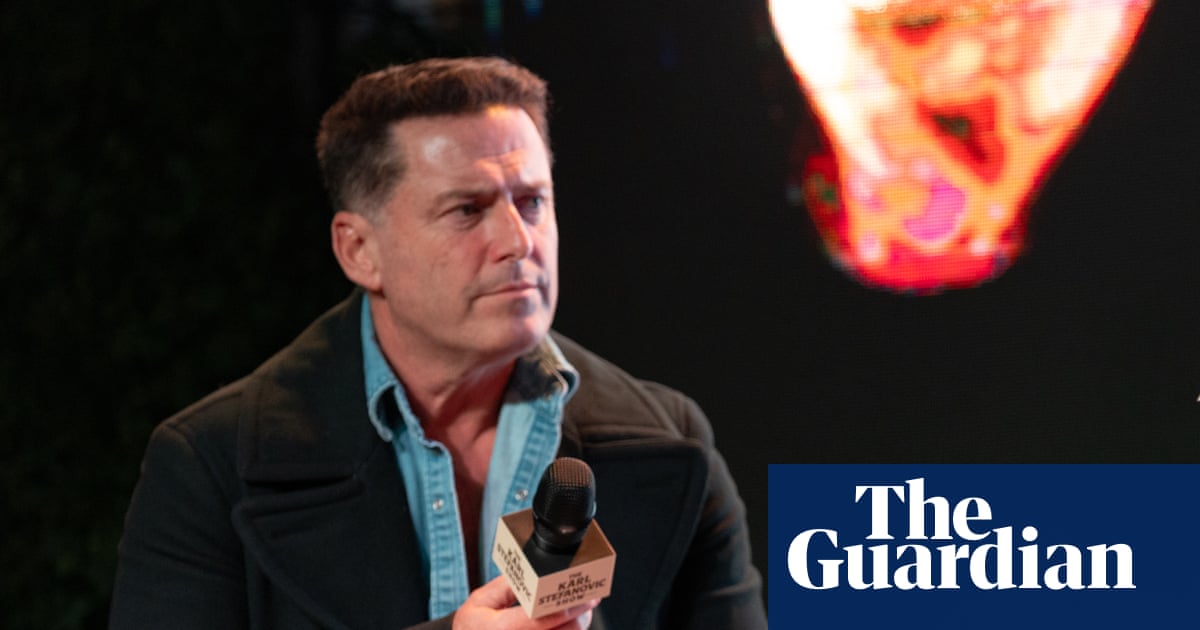
The immediate departure of Karl Stefanovic from the Nine network is a stark reminder of the ethical responsibilities that legacy media hosts carry, and the severe consequences that must follow when those responsibilities are compromised. Stefanovic’s sudden exit on Friday follows intense public backlash after the highly-paid Today host chose to use his independent podcast platform to interview Tommy Robinson, a notorious British far-right activist. This decision to give a platform to an extremist figure bypassed the basic journalistic standards of accountability, forcing Nine to finally cut ties with the presenter.
For years, mainstream media outlets have struggled to draw a firm line against the normalization of far-right ideologies. By interviewing a figure like Robinson, whose career is built on islamophobia and divisive rhetoric, Stefanovic chose to legitimize dangerous extremism under the guise of an "independent" project. The immediate termination of his contract, which was accelerated from a planned end-of-year departure to an instant exit, demonstrates that the public will no longer tolerate media figures who use their immense cultural capital to amplify hate speech.
Nine Entertainment attempted to frame the exit as a mutual, structured decision, but the language of their official statement reveals the underlying conflict. "Nine Entertainment and Karl Stefanovic have agreed that it is no longer possible for him to continue hosting Today at the same time as his independent podcast," a spokesperson said. This statement highlights a systemic issue in modern media: elite broadcasters attempting to maintain lucrative mainstream roles while simultaneously operating unregulated digital side-gigs where they can platform harmful figures without the oversight of traditional editorial standards.
In an internal email sent to staff, Nine's chief executive officer, Matt Stanton, attempted to smooth over the disruption by emphasizing Stefanovic’s long tenure. "Karl has been a fixture on our screens for over two decades, so we know this is a significant change for our viewers and all of us here at Nine, however it’s the right time to make it," Stanton wrote. While the corporate narrative focuses on a peaceful "transition," the reality is that the network had no choice but to distance itself from a host whose actions actively undermined the values of a diverse and inclusive public audience.
This incident shines a light on the broader systemic failures within corporate media governance. Highly-compensated media personalities often operate with a sense of impunity, believing their personal brands transcend corporate ethics and social responsibility. The Australian Human Rights Commission has repeatedly warned about the societal dangers of amplifying hate speech and the role media platforms play in fostering social division. When mainstream journalists validate extremist figures, they directly contribute to the erosion of social cohesion and the rise of systemic intolerance.