Makerfield Byelection: A Litmus Test for Labour's Ability to Reconnect with Working-Class Voters
Burnham's candidacy in Makerfield highlights the urgent need for Labour to address economic anxieties and offer a compelling alternative to Reform's divisive populism.
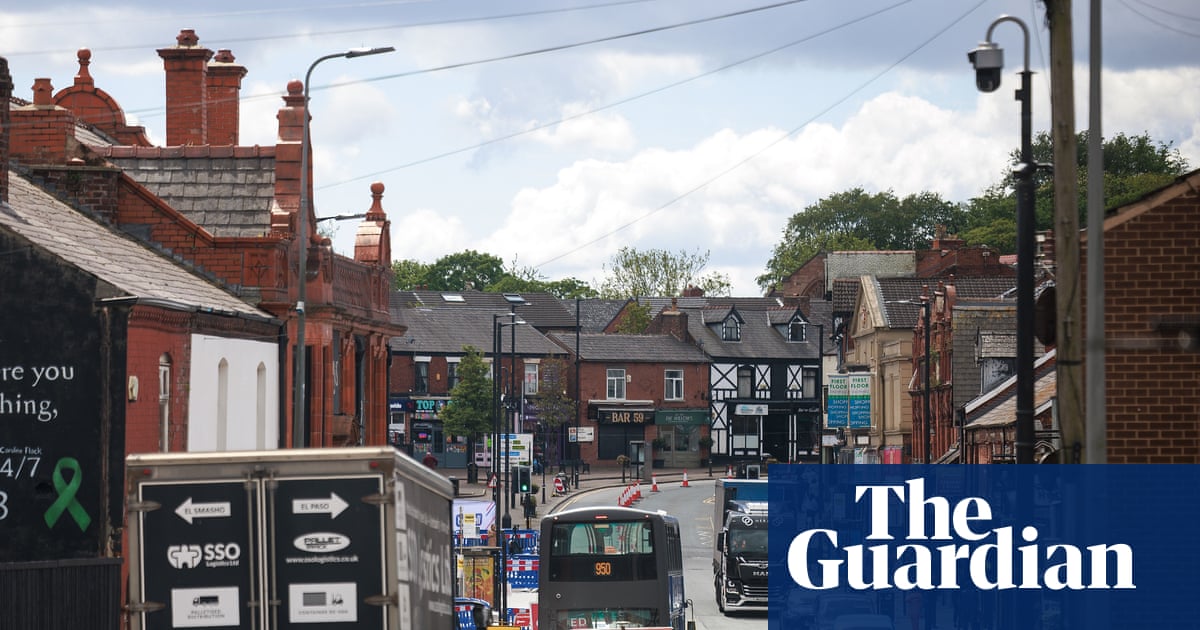
Ashton-in-Makerfield, UK - The upcoming byelection in Makerfield represents more than just a single seat; it's a crucial test of Labour's ability to win back working-class voters who feel left behind by the current political system. The rise of Reform, capitalizing on economic anxieties and disillusionment, poses a significant challenge to Labour's traditional base.
The focus on Andy Burnham's candidacy underscores the recognition that Labour needs a new approach to resonate with communities like Makerfield. Burnham's appeal, particularly his track record as Mayor of Greater Manchester, offers a potential pathway to reconnect with voters who have drifted towards Reform.
However, the challenge is significant. The recent local elections saw Reform gain considerable ground in Makerfield, securing 50% of the vote and 24 seats on Wigan council. This surge in support reflects deep-seated frustrations with the status quo and a perceived failure of mainstream parties to address local concerns.
Labour's struggle in Makerfield highlights the broader crisis facing social democratic parties across the West. Decades of neoliberal policies have eroded the social safety net, widened inequality, and fueled a sense of economic insecurity among working-class communities. Reform has exploited this discontent by offering simplistic solutions and scapegoating vulnerable groups.
The byelection presents an opportunity for Labour to offer a genuine alternative. This requires more than just rebranding or reshuffling personnel; it demands a bold agenda that tackles the root causes of economic inequality and empowers working people. Policies such as strengthening trade unions, investing in public services, and promoting fair trade are essential to rebuilding trust and support.
The campaign in Makerfield must also address the divisive rhetoric employed by Reform. By appealing to prejudice and resentment, Reform seeks to divide communities and undermine solidarity. Labour must counter this by promoting a vision of inclusivity and social justice, emphasizing the common interests of all working people.
The stakes are high. A defeat in Makerfield would not only be a blow to Labour's electoral prospects, but it would also embolden Reform and further polarize British politics. A victory, on the other hand, would send a powerful message that Labour can still connect with working-class voters and offer a credible path towards a more just and equitable society.